

What are the functions of an anesthetic machine?
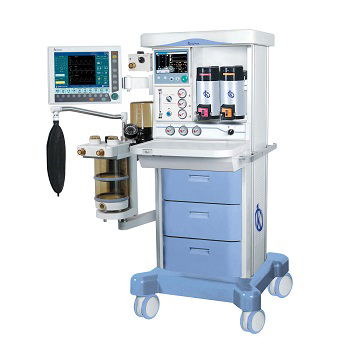
This machine is undoubtedly an indispensable equipment in health care centers, clinics and hospitals, mainly in surgical and patient recovery areas, thanks to technological advances these anesthesia machines offer safety to patients, it is used in most procedures that need to administer anesthetic gases to patients, in addition to carrying a monitored control of respiration and stable condition during the medical process.
Conductivity meter or conductivity meter: How should he be employed?
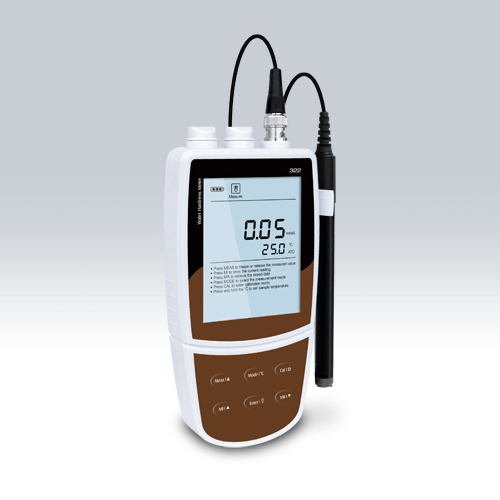
A conductivity meter or conductivity meter is a device used to determine the electrical conductivity of the ions in a solution. This is achieved because this equipment applies an electric field between two electrodes and performs a measurement of the electrical resistance in the dissolution.
Hematological Analyzers: How Do They Work? What Is Its Importance?

Hematological analyzers are devices used to perform complete blood counts or blood counts, perform quantitative and qualitative analysis of blood elements: red blood cells, white blood cells and platelets, are mainly used in medical biology analysis laboratories or in hospitals with hematology services; there are models of these analyzers that are intended for veterinary medicine.
What is a Microwave Digester?
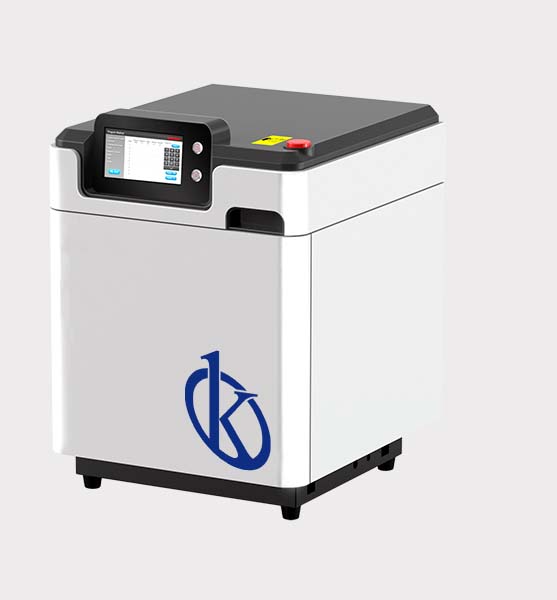
They are equipment that have a digestion system, which is used to mineralize the solid samples from which we want to obtain reliable information at elemental level, a spectroscopic technique is used, and requires that the sample to be examined is in liquid state, so if the requirements of the analyzes require preparing the sample for analyzes of food, textiles, dishes, wastewater treatments, cosmetics and other applications, you need a microwave digester, and undoubtedly the best and most reliable are the YR KALSTEIN series.
Spectrophotometers: care and maintenance
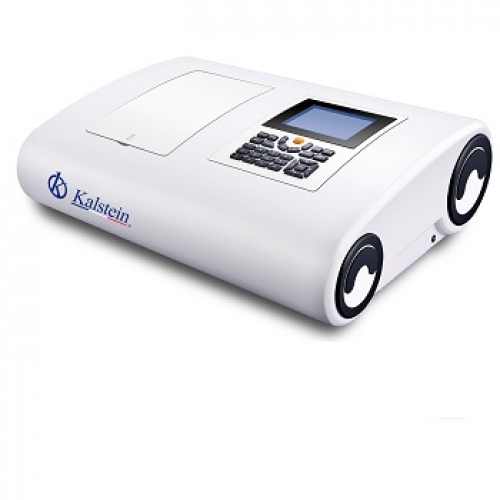
A spectrophotometer is an instrument used in laboratories to measure the absorbance of a sample, as a function of the wavelength of an electromagnetic radiation, and thus to know the concentration of the substances in a solution. This team consists of 4 main parts: a source, a monochromator, a beam splitter, a sample area, and a detector. It also has optical elements such as lenses or mirrors, which transmit light throughout the entire equipment.
What is the importance of an electroscalpel?
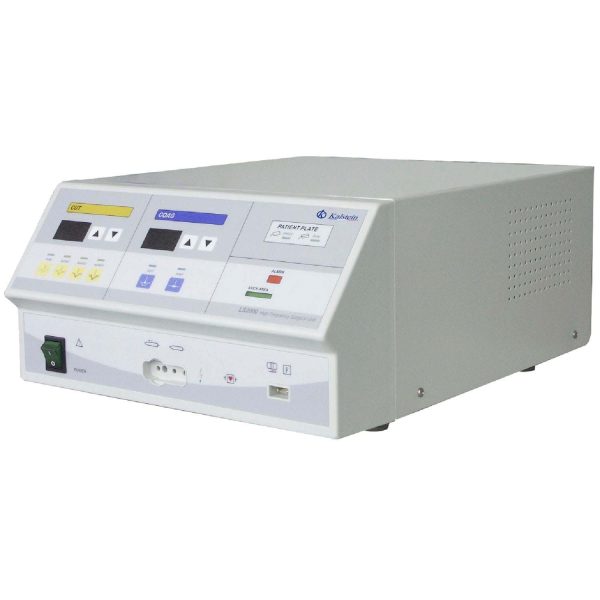
An electroscalpel is a medical equipment capable of transforming electrical energy into heat with the aim of cutting or coagulating tissues and cauterizing them at the same time, thus decreasing the time of the surgical intervention and avoiding unwanted and unexpected hemorrhages in the surgical act, for this uses currents that develop in frequencies above 200,000 Hz. It is also commonly referred to as an electric scalpel or surgical unit, and today it is used in many medical specialties such as plastic surgery, obstetrics, dentistry, orthopedics, dermatology and veterinary medicine.
Laboratory rotary evaporator: What is it used for?
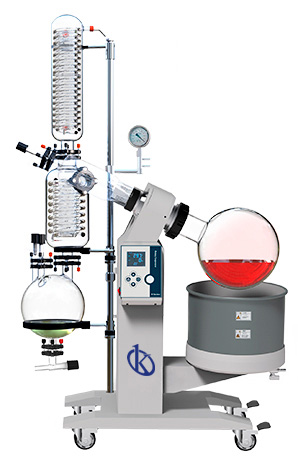
A rotary evaporator or rotary evaporator is a laboratory equipment used to remove or recover low pressure solvents (reduced pressure distillation). That is, it is a device used to evaporate substances through the distillation process, to be condensed and finally separated into its components one by one, by using specific boiling points.
Water purification system: What systems exist in a laboratory?
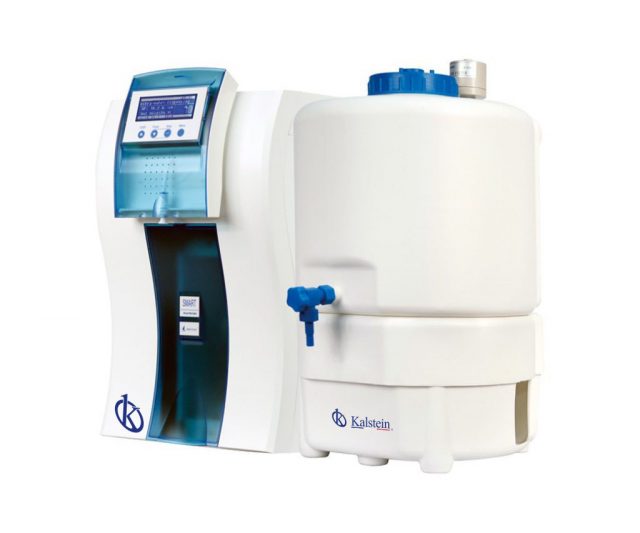
Good quality water is considered a key element to successfully carry out the analyzes and experiments that are carried out in laboratories. Laboratory water purification systems provide a source of pure water, continuously and alternatively, to carry out the different analyses, tests and experiments that are carried out in a laboratory.
How does electrophoresis work molecularly?
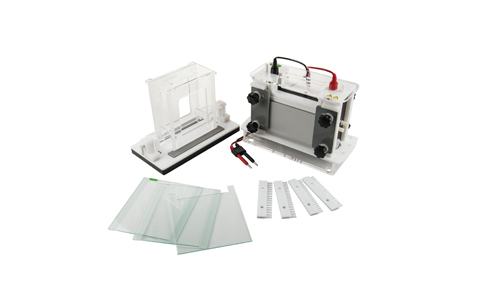
Functionally electrophoresis is a technique that consists of proportional migration of molecules through a gel or other type of porous matrix, depending on their molecular weight or size; movement generated by the electric field, i.e. we apply an electric current to molecules whether biological, DNA, protein or RNA, and they are separated according to whether they are larger or smaller.
What are the parts of a microscope?
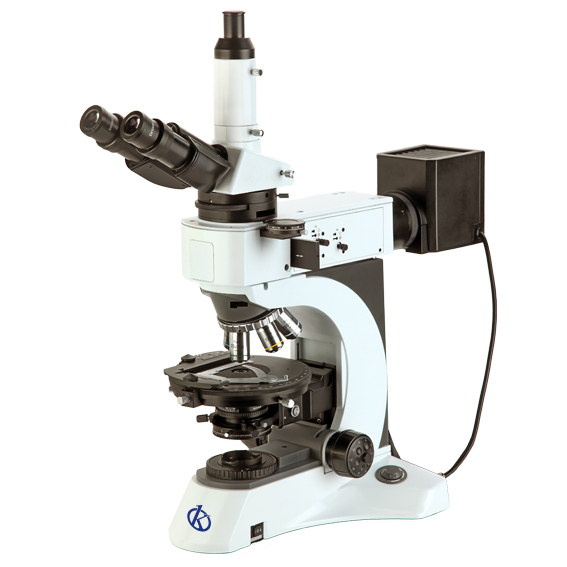
An optical microscope is an instrument by which we can observe elements or structures that cannot be observed with the naked eye, through the use of lenses, viewfinders and light rays, which approach or enlarge the image at scales suitable for examination and subsequent study.