Water purification system: What systems exist in a laboratory?
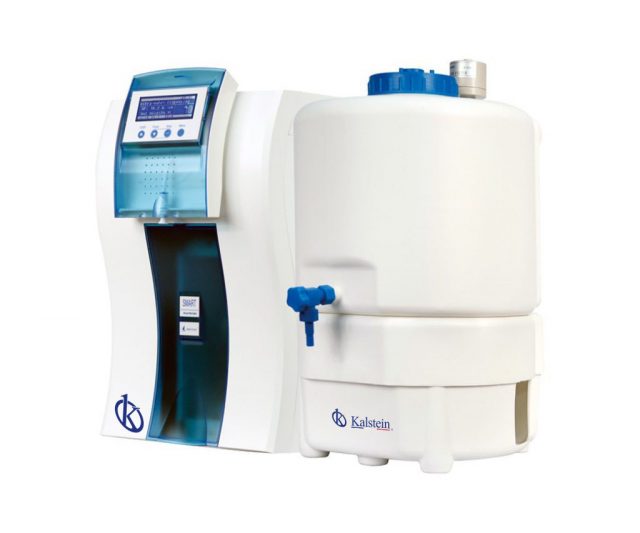
Good quality water is considered a key element to successfully carry out the analyzes and experiments that are carried out in laboratories. Laboratory water purification systems provide a source of pure water, continuously and alternatively, to carry out the different analyses, tests and experiments that are carried out in a laboratory.
How does electrophoresis work molecularly?
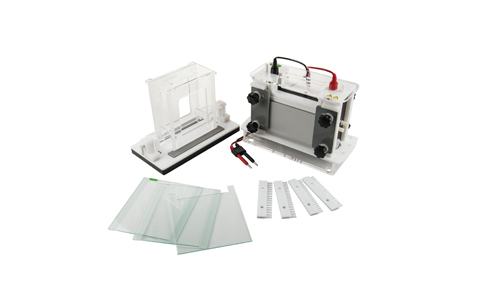
Functionally electrophoresis is a technique that consists of proportional migration of molecules through a gel or other type of porous matrix, depending on their molecular weight or size; movement generated by the electric field, i.e. we apply an electric current to molecules whether biological, DNA, protein or RNA, and they are separated according to whether they are larger or smaller.
What is the importance of a microtome?

The importance of this instrument lies in its use and usefulness, since it works to make very fine cuts, which are required in the area of microscopy; since it is there where these equipment originated, because in order to analyze samples thin enough for light to pass through them, they began as razor blades and made the cut manually, but with technological updates, progress has been made in quality, which today, we have laser microtome.
Shaking incubators What is their function?

A shaking incubator is laboratory equipment that allows samples to be incubated and shaken simultaneously, for which it has a specialized design that allows it to carry out these functions. They are ideal instruments for different applications such as aeration and cell cultures, microbiological culture development, solubility experiments, hybridization, fermentation, biochemical and enzymatic studies.
How many laboratory water purification systems are there?
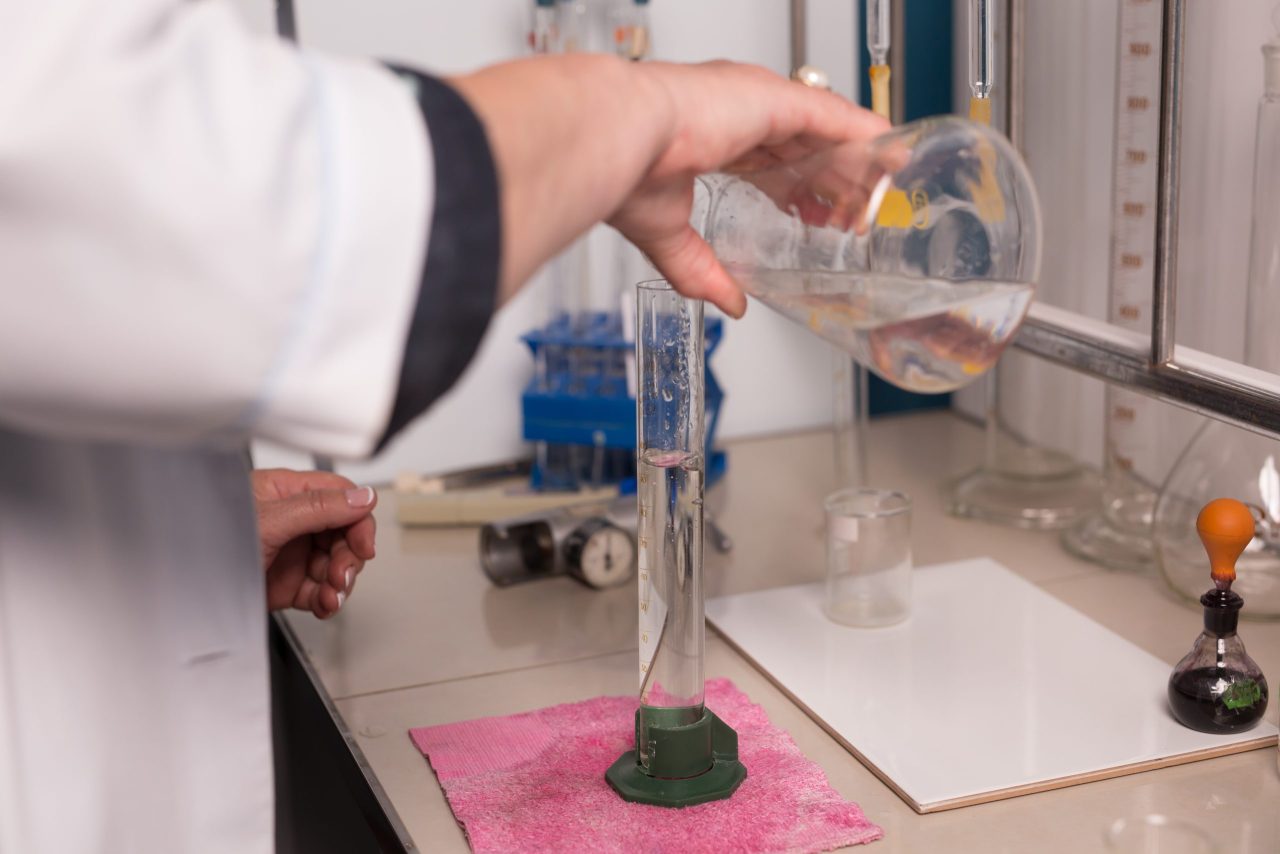
The importance of having quality water in laboratories, focuses on the usefulness and need that purified water represents to wash the glass material, in addition to feeding systems that produce ultrapure water; obtaining quality water is the main concern of laboratory users to carry out accurate experiments and optimal and efficient research; so water purification systems play a very important role; and we must be aware of the variety of systems that exist, their advantages and disadvantages.
What types of biosafety cabinets are there?
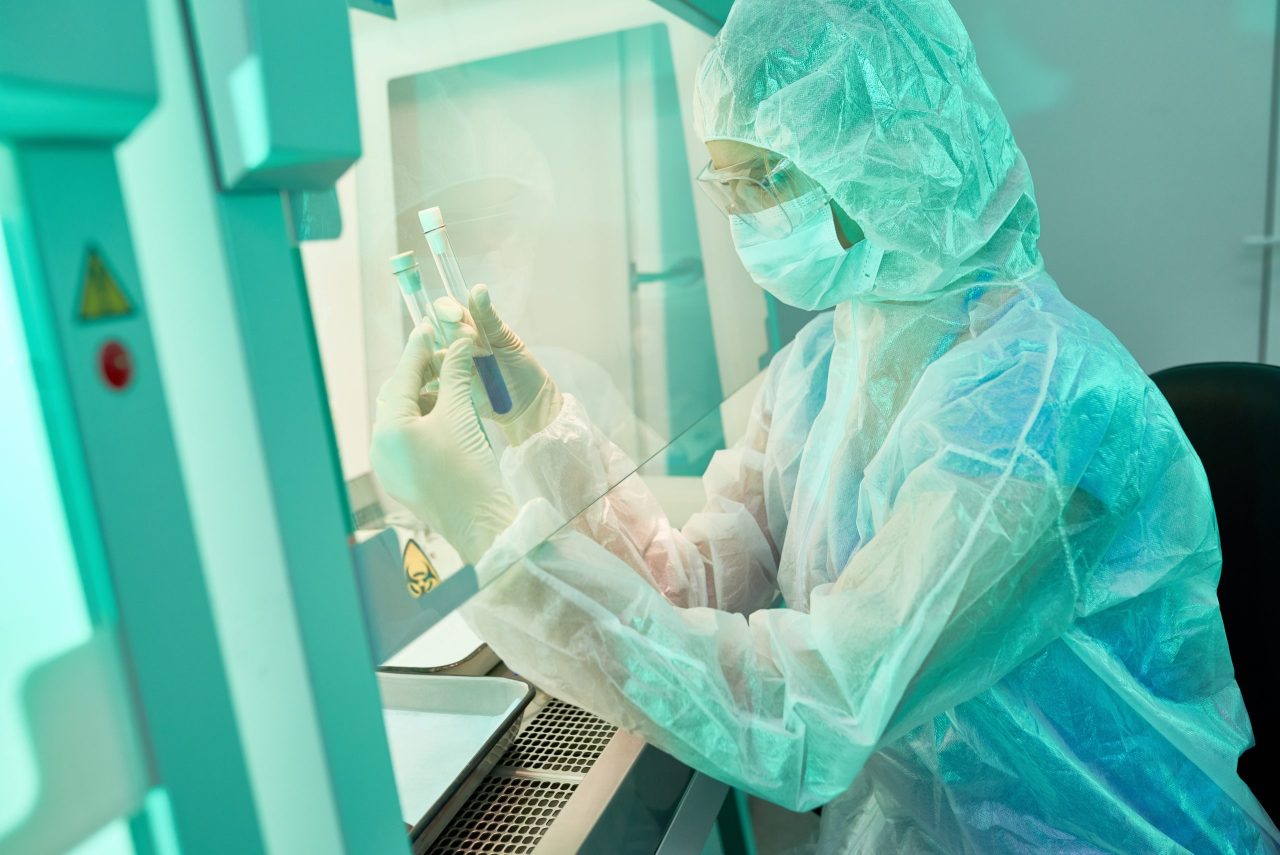
These safety cabinets should be used when it is necessary to protect the user and the sample, or the environment; if it is intended to work or experiment with biological, toxic or allergenic material; or any product of biological or toxic risk, however, when choosing we must be attentive to the needs of our work, that is, the type of protection we want, the degree of confinement of the product, and the objective of confinement.
Microscopes and Technical Service
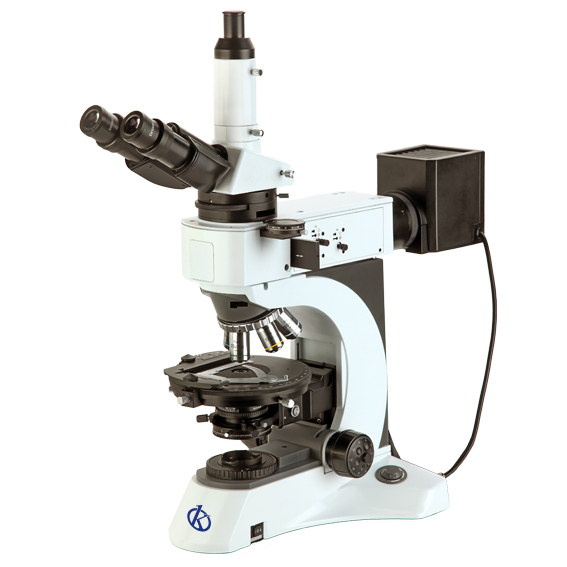
We will epistemologically define the word microscope; Micro which means small and scopio which means to observe; this is a reference of the usefulness of this device, which is a device that allows us to observe elements that are invisible to the naked eye, through a lens, viewfinders and rays of light; This instrument includes a set of elements that allows us to enlarge or bring the sample closer to scales where we minimally observe components to perform an analysis and examine the sample.
Urine analyzers: what are they used for?
Urine analyzers are laboratory equipment that perform the automated analysis of several essential parameters of urine, allowing the detection of the presence of urinary tract infections, determination of pH, blood and protein loss, as well as evaluating the presence of analytes. such as glucose, ketone bodies, nitrites and bilirubin in urine.
Heating and Stirring Plates- Types And Uses
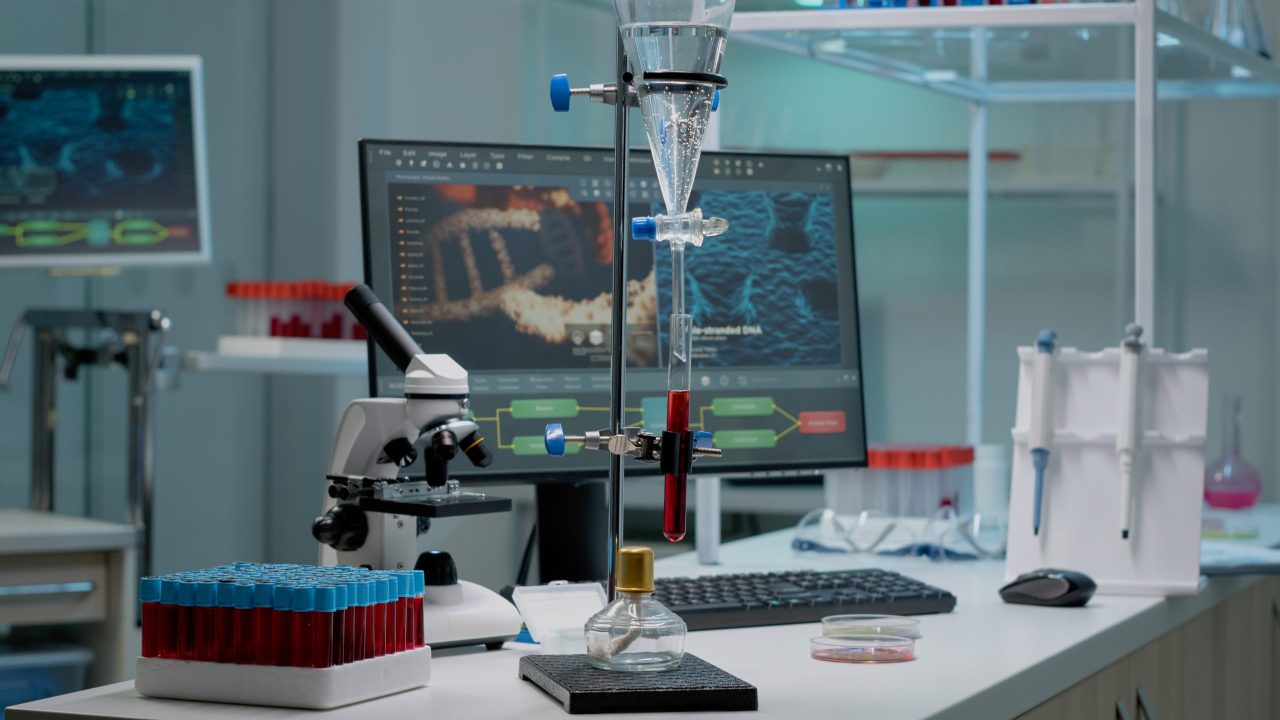
It is a laboratory equipment that adapts to multiple experiments that require temperature and agitation frequently used in laboratories; the magnetic stirrer with heating is an equipment that generates a magnetic field to achieve automatic mixing of solvents and solutes; accompanied by a heating plate, quickly reaching temperatures of up to 300°C.
What is a laminar flow and biosafety hood?
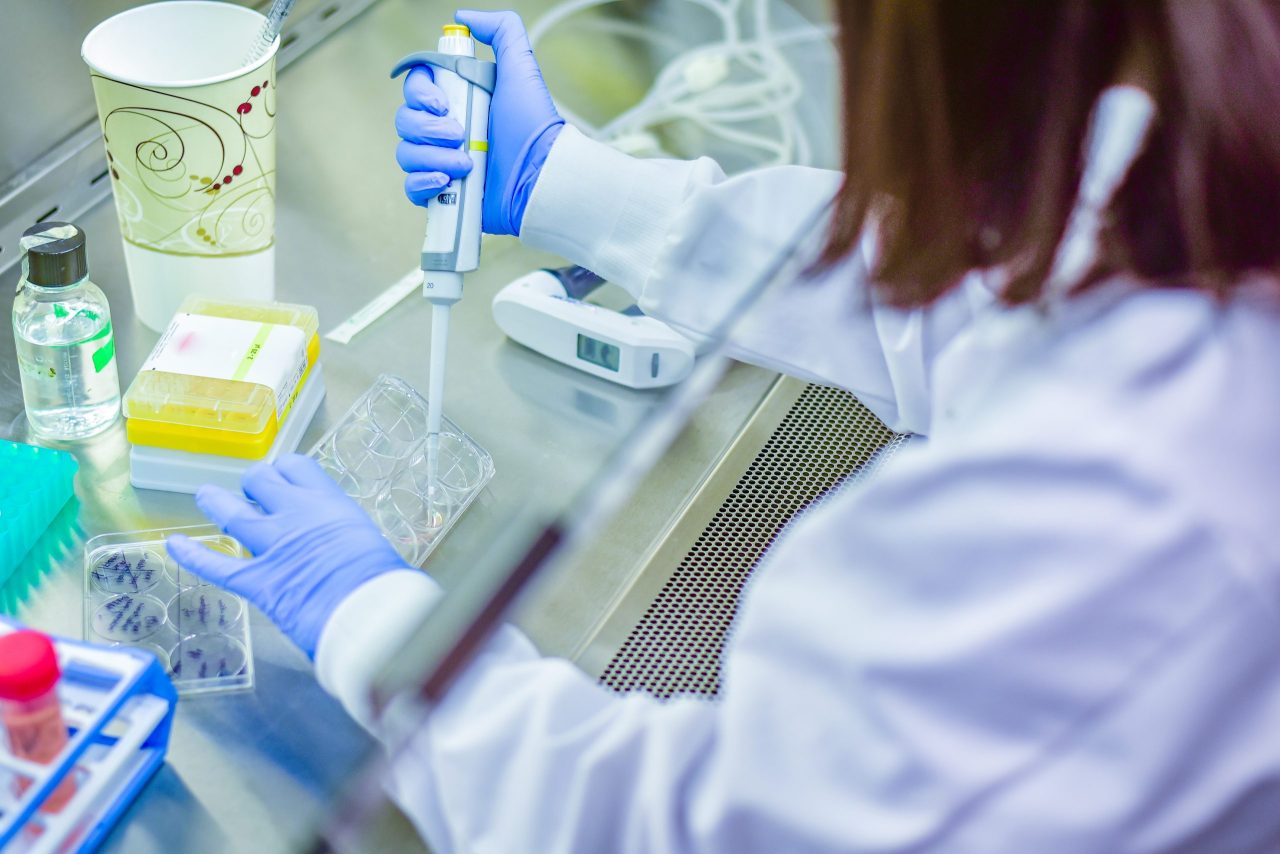
Laboratory hoods are equipment that allow maintaining the quality of the air in these spaces, preserving the reagents and samples used in them, as well as ensuring the integrity of the operator. Currently there is a wide variety of hoods and these respond to specific needs, so each one has a defined purpose.