

How was the vital sign monitor invented?
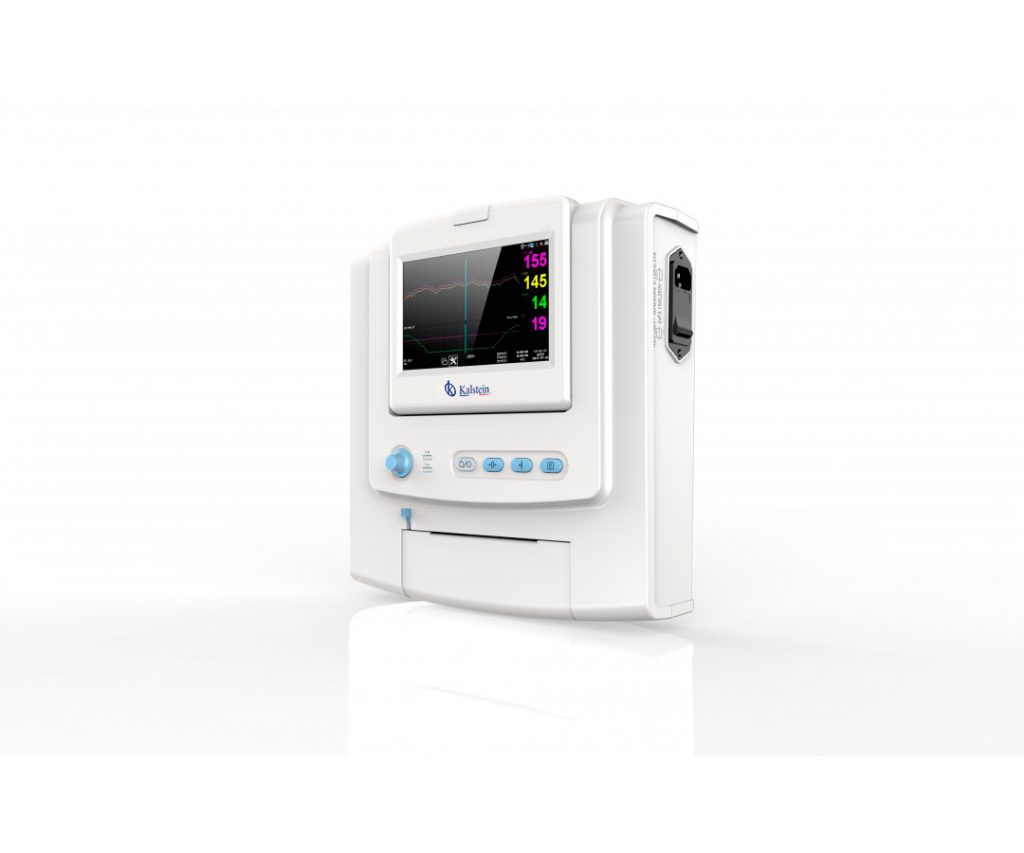
At the beginning of 1887, scientists Ludwig and Waller revealed the electrical potential in the human chest, thus initiating cardiac electrophysiology, thus allowing the development of the electrocardiogram, which began in 1893 with the work of Einthoven’s rope galvanometer in 1957, but the development of these devices that allowed direct writing on paper, revolutionized and promoted the use of a new diagnostic tool, being the electrocardiograph. Therefore, these tests had to be in a stationary state or avoid any physical movement of the patient, because it was connected by electrodes to a machine.
How do I place a patient monitor?
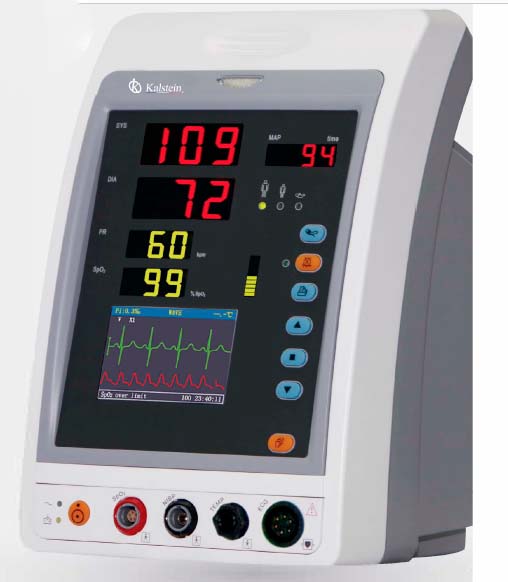
The patient monitor is a computer used in all health centers, which records the electrical activity of the same, by electrodes connected in the chest and limbs, these sensors or electrodes fulfill the function of detecting different, recorded and printed leads.
How does an electroscalpel work?
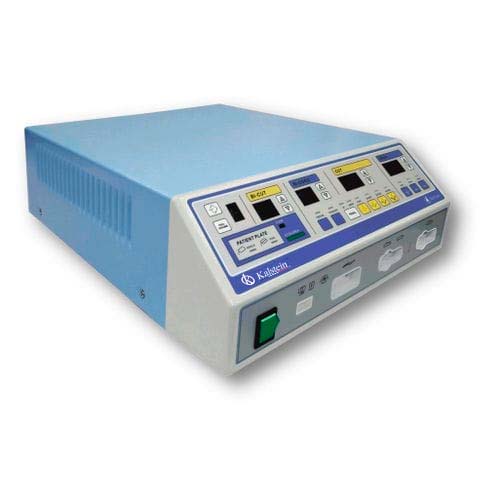
An electroscalpel is a medical device that converts electrical energy into heat to cut or coagulate tissues and cauterize them at the same time, using currents that develop at frequencies above 200,000 Hz. This device is composed of a series of individual units that together form an electrical circuit, where the current flows from a generator to an active electrode through the tissue and then back to the generator by the action of an inactive dispersion electrode.
Care and maintenance of an electroscalpel
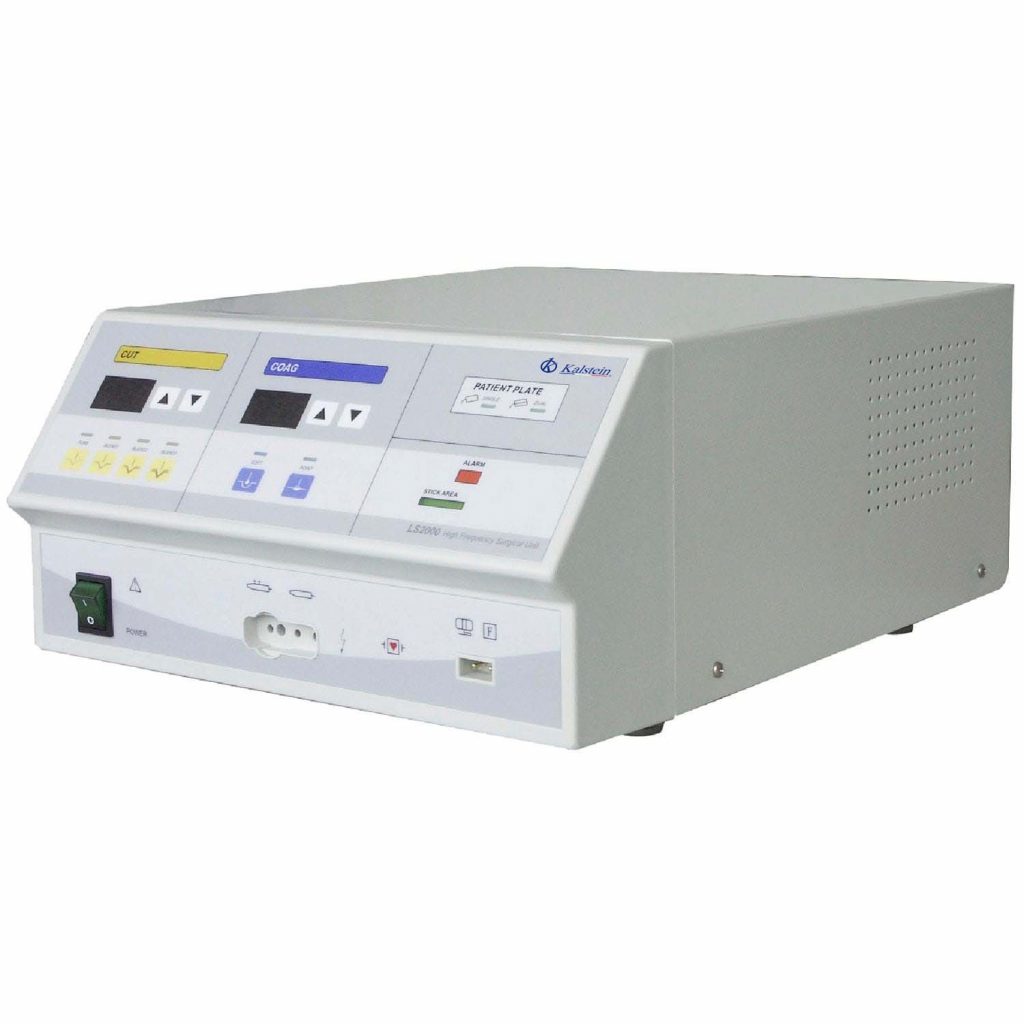
An electroscalpel is a medical device that has the property of transforming electrical energy into heat to cut or coagulate tissues and cauterize them at once, for which it uses currents that develop at frequencies above 200,000 Hz. This equipment has connections for active and return electrodes, as well as controls that allow to determine the voltage and frequency of the electrical current to carry out the desired effect, where each of the elements that make up the equipment have a specific function to carry out the cutting or coagulation effect as necessary.
What are the uses of an infusion pump?
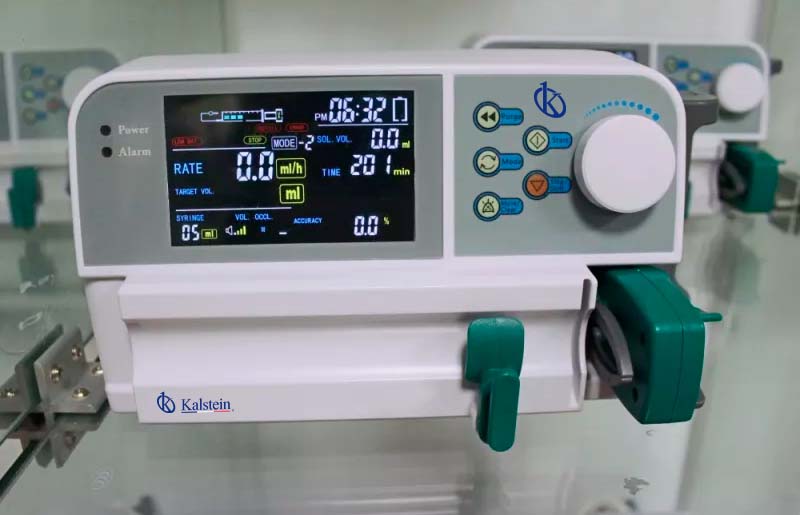
An infusion pump is a medical device that is used to move the fluids used in medicine (solutions, drugs, blood) through a tube into the patient’s vascular system, allowing more accurate management of the fluids used by doctors. This is why it facilitates the parenteral administration of drugs and solutions, and they are mainly used in conditions where precision and a constant supply of some drug or medicine is essential.
How does an electroscalpel work?
An electroscalpel is a medical device that converts electrical energy into heat to cut or coagulate tissues and cauterize them at the same time, using currents that develop at frequencies above 200,000 Hz. This device is composed of a series of individual units that together form an electrical circuit, where the current flows from a generator to an active electrode through the tissue and then back to the generator by the action of an inactive dispersion electrode.
Different types of patient monitors
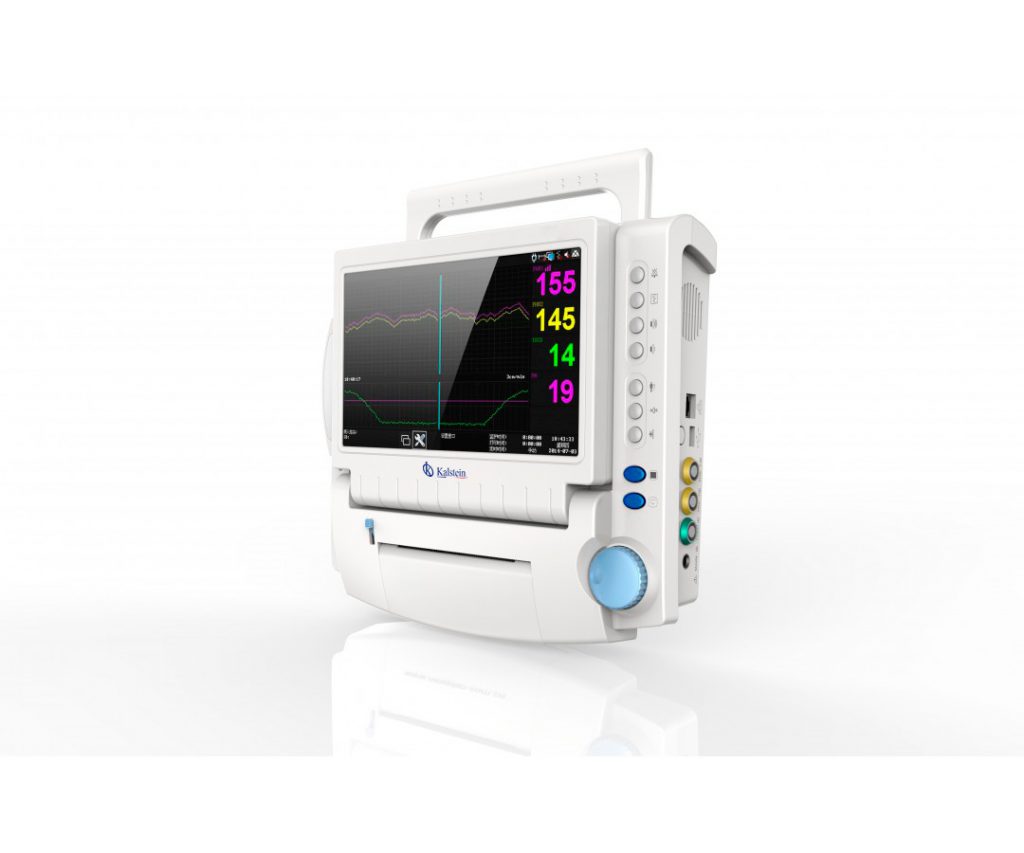
A patient monitor is a medical device used to continuously detect, process and deploy the vital parameters of a patient under continuous medical surveillance, including respiratory rate, blood pressure, body temperature and pulse. This device performs a real-time recording of these parameters, reflecting their information in the form of waves and numbers for further clinical interpretation.
The microtome and bone cutting
The microtome is a mechanical instrument used to cut biological samples into very thin segments for microscopic examination. Biological samples can be embedded and presented in many ways for sectioning. Generally these samples are embedded in blocks of paraffin wax and the most common way to section these samples is achieved by microtome. Evolution of […]
Paraffin Embedding
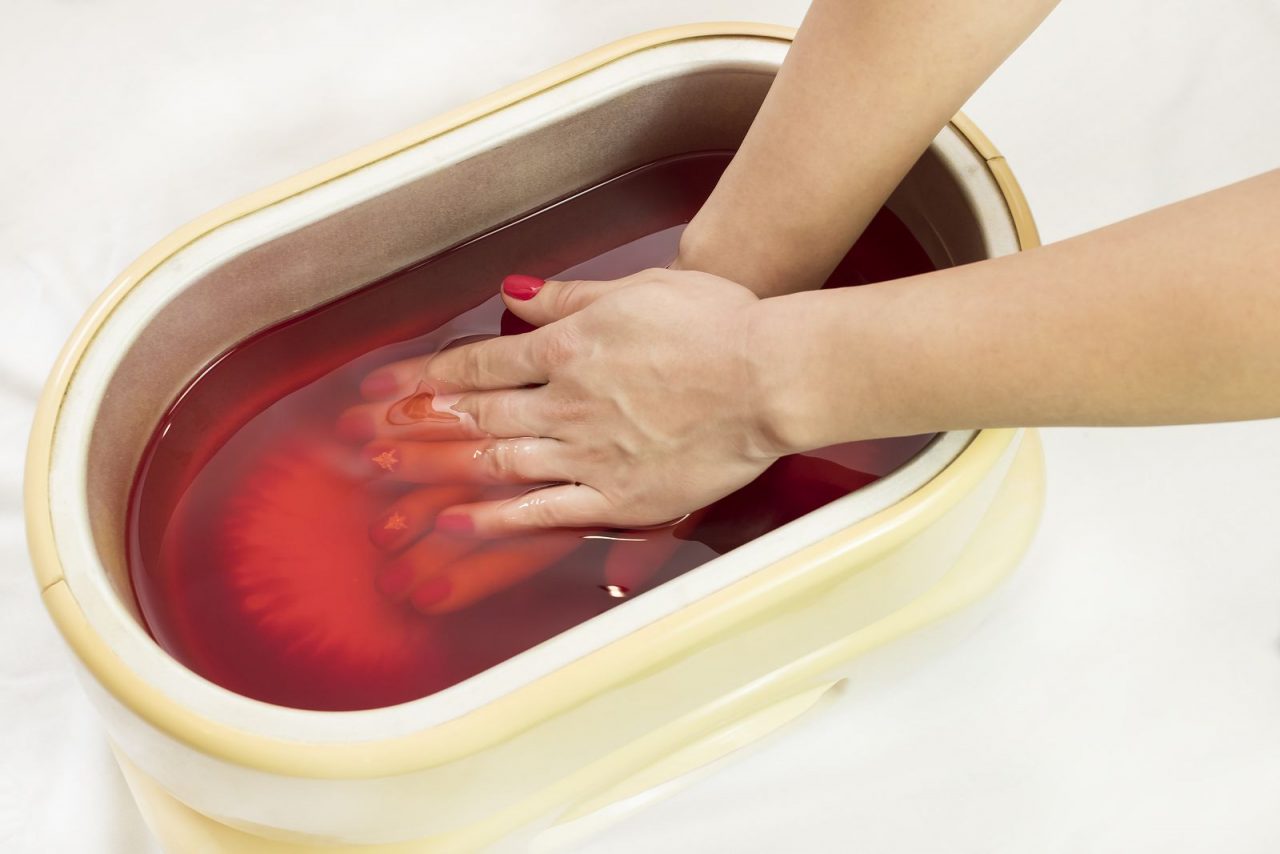
For the embedding of histological samples to be observed under the light microscope, paraffin is mainly used, and to a lesser extent celloidin, as embedding medium.
How to remove the yellow from a baby at home?
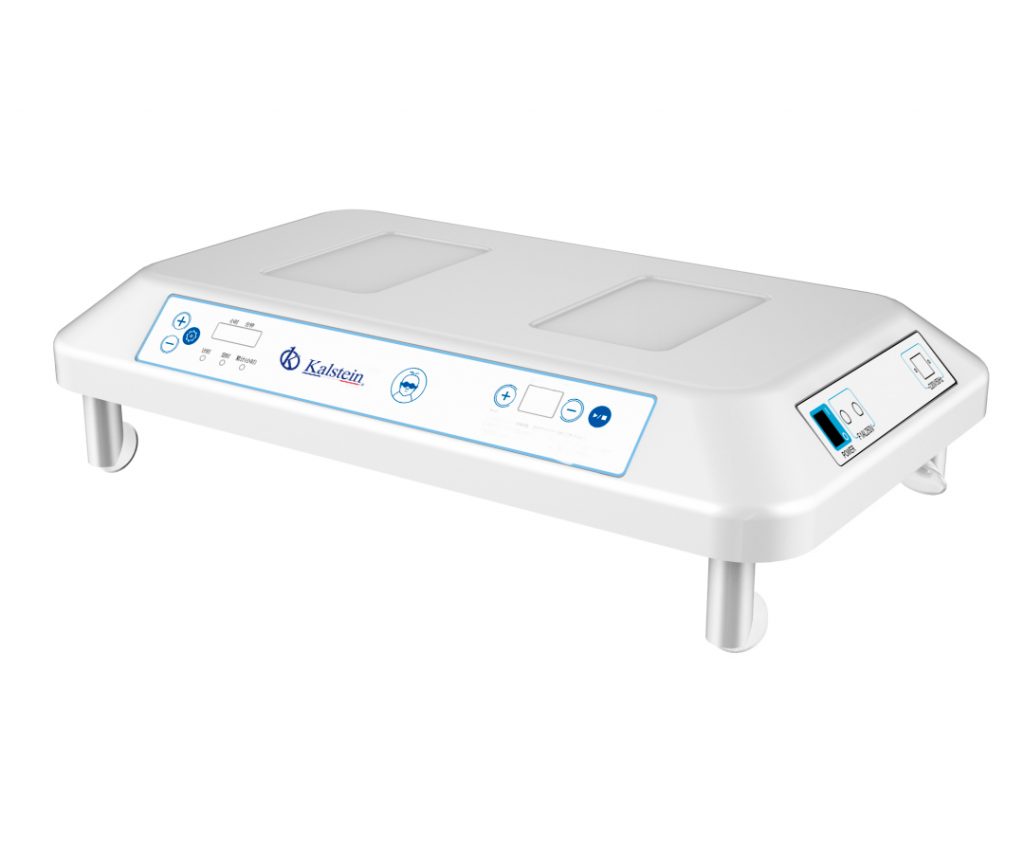
The yellow in the skin of a newborn is called jaundice, is a condition in which he drinks has high levels of bilirubin in the blood, which is a yellow substance that the body of the newborn produces when it replaces the old red blood cells, in this process the liver intervenes, it fulfills the function of eliminating this substance through the feces of the baby, when this does not happen causes the skin and the sclera of the eyes of a baby to look yellow.