

Recirculation Cooler: How Does It Work?
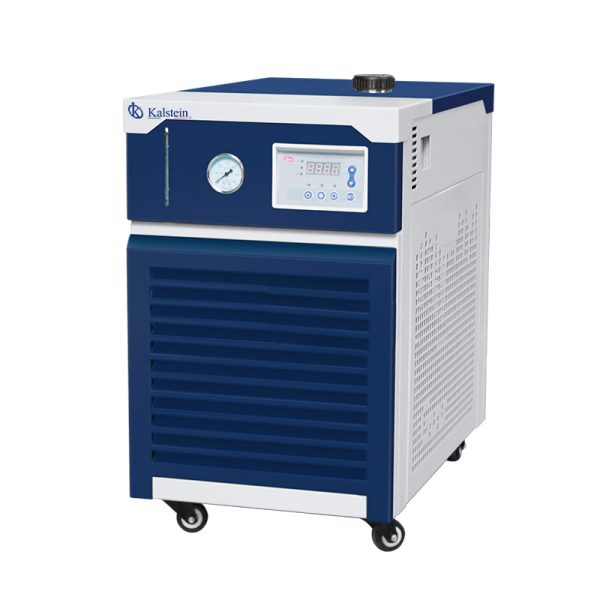
Chillers are used in many laboratories for a wide variety of important purposes, from improving the precision of experiments to improving the safety of laboratory personnel. They are teams with many uses and important benefits. Depending on the needs of the laboratory, there are different types of chillers that can be used. In this article, we will focus on recirculating coolers.
What are the Functions of a Security Storage Cabinet?
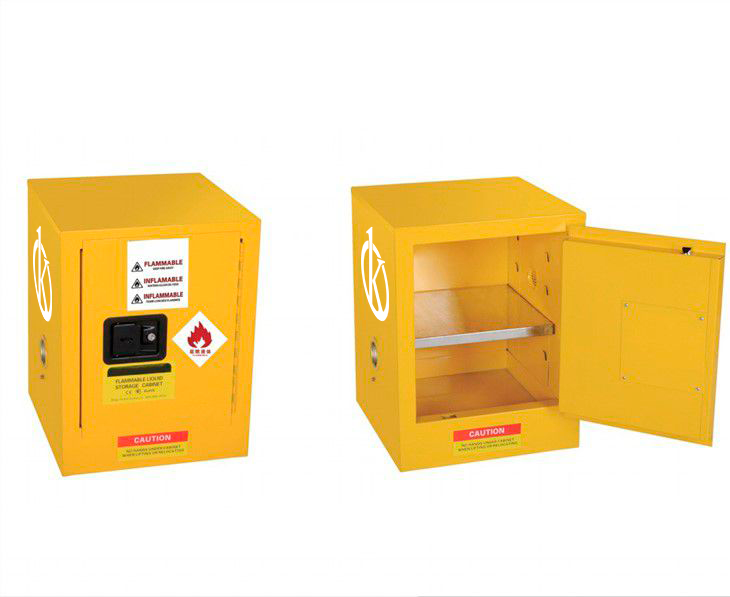
The function of the safety storage cabinets, comply with the protection and isolation of chemical products that are contained in risk areas, to avoid mishaps in the environment, and are intended to store hazardous substances.
Importance of Recirculation Baths in a Laboratory
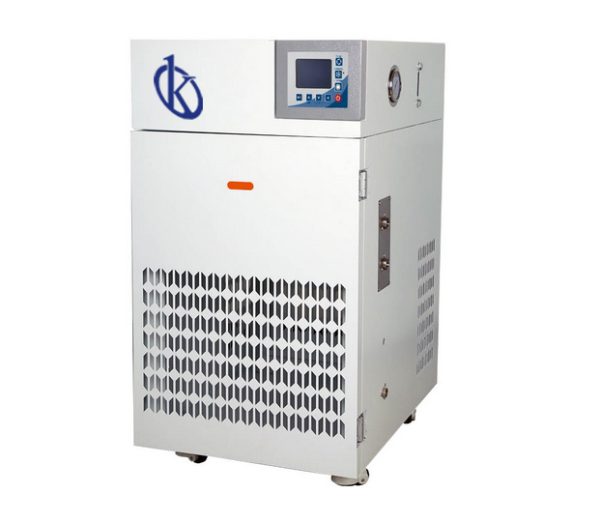
They are essential equipment in a laboratory, because they are used to contain water and with a fixed temperature that can be regulated; its importance lies in its use, since they allow to maintain a constant temperature while moving liquids; and according to the needs of the sample the recirculation baths can heat or cool the water; are the best solution for any application that requires placing multiple samples in a water bath, where it is necessary to ensure precise and effective temperature control directly from the samples submerged in the water, from the ambient temperature to 105 °C.
What are liquid nitrogen tanks and what are they used for in a laboratory?
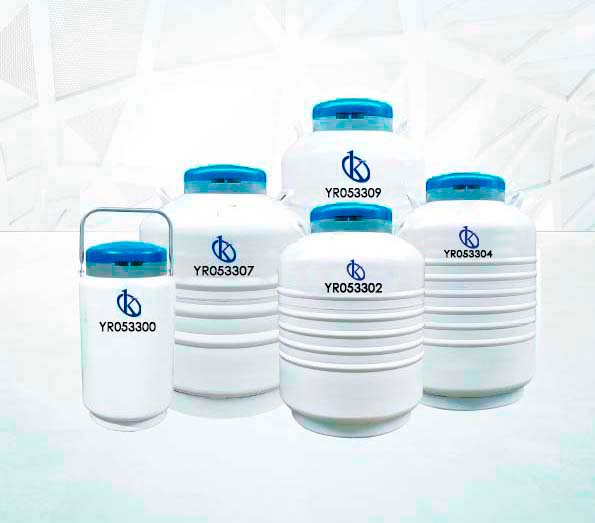
Liquid nitrogen tanks are units used for the conservation of laboratory samples at very low temperatures. Due to fast freezing, it prevents damage to structures and protects processes from moisture, oxidation and contamination.
How should phototherapy be handled in neonates?
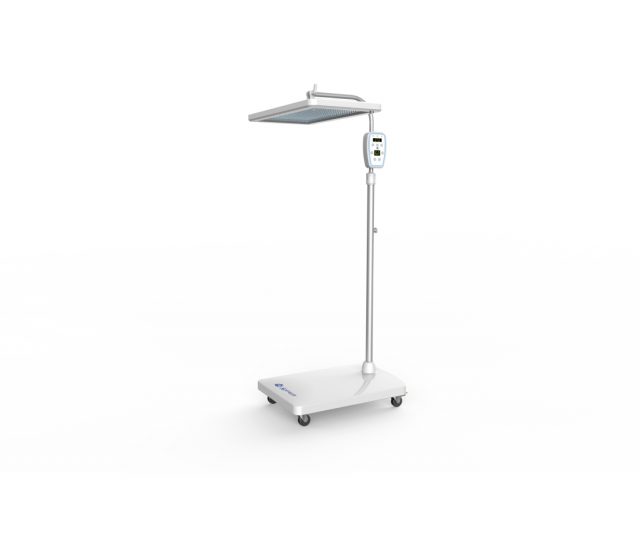
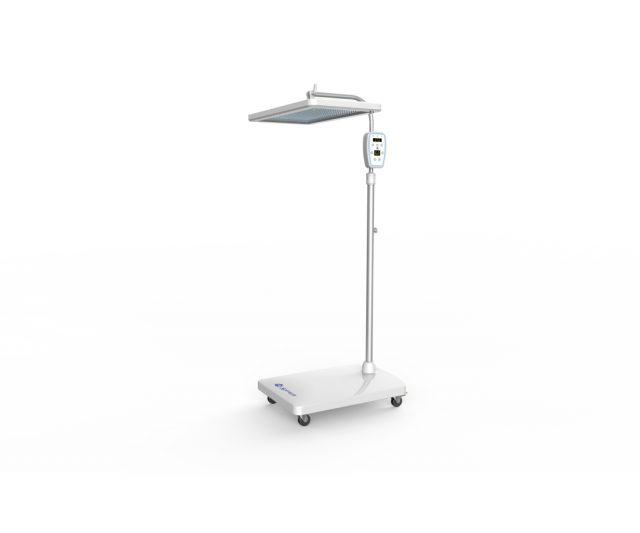
Phototherapy in the neonate is a therapeutic measure or technique based on the use of ultraviolet (UV) radiation to treat neonatal hyperbilirubinemia. The increase in serum bilirubin usually occurs due to an imbalance between the elimination and production of bilirubin, which causes it to accumulate in the mucous membranes and skin of the newborn causing a typical yellowish color; condition known as jaundice.
How is phototherapy done in babies?
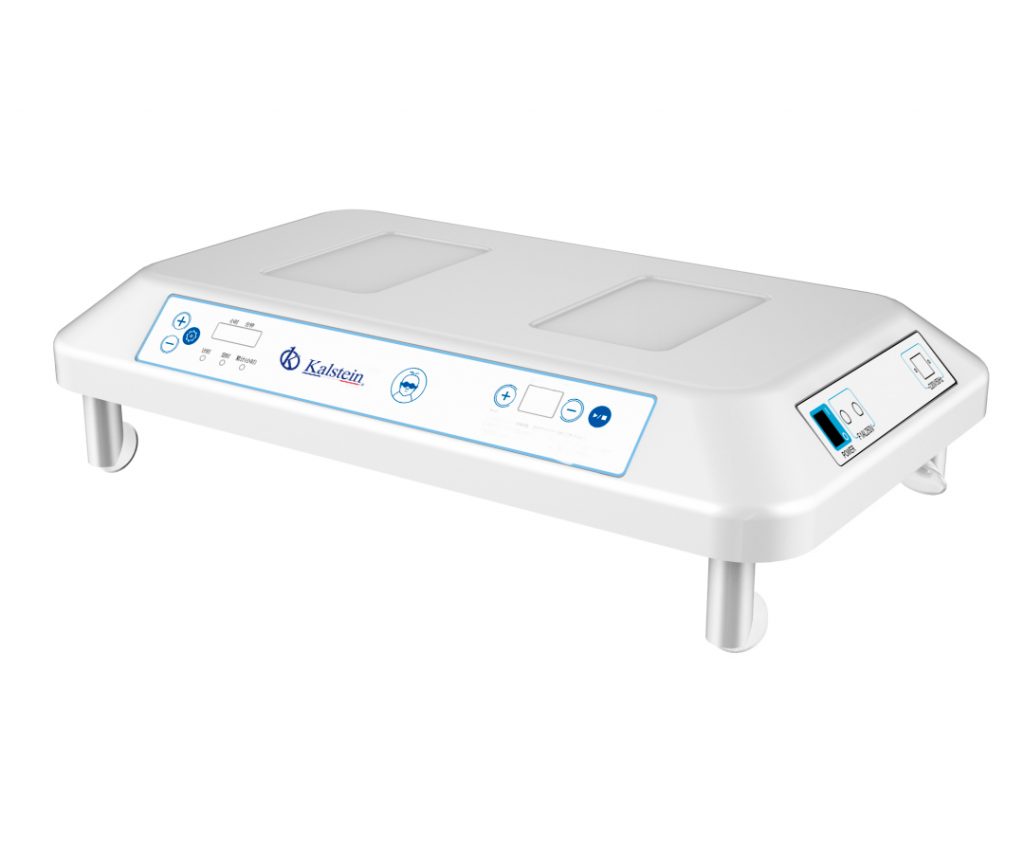
Phototherapy is a procedure that is applied to newborns who have jaundice, where their condition changes yellowish in the skin and eyes of babies, this is due to excess bilirubin in the blood. Usually, it leaves the body through bowel movements. This is because the baby’s system breaks down blood cells but does not remove bilirubin.
Features of Security Storage Cabinets?
The safety storage cabinets are modules designed for the protection of contaminants, and in turn, protects the works against the contamination that these products transmit.
What are the parts of a surgical navigation system?
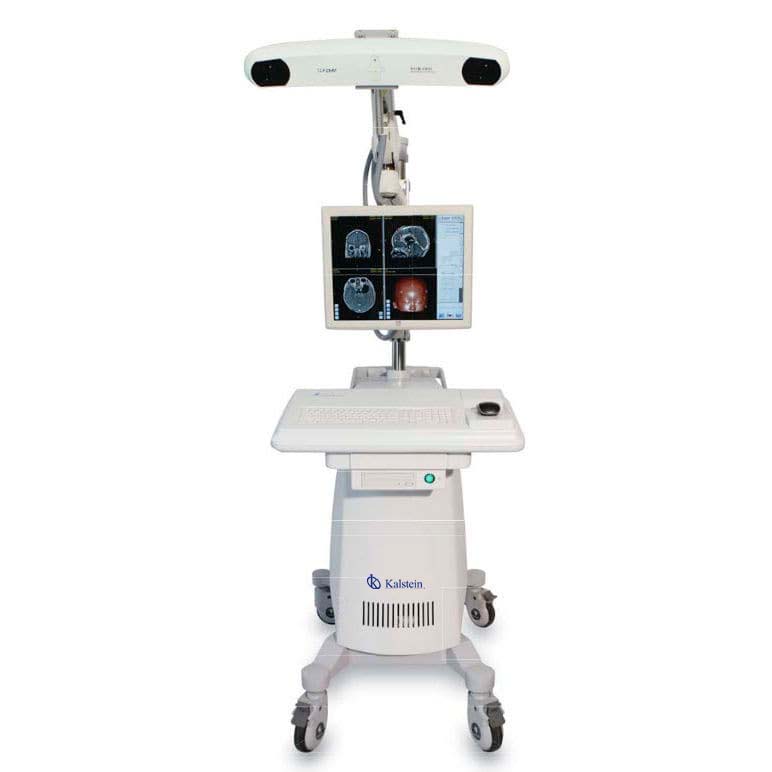
A surgical navigation system is an image-guided intraoperative location system, whose main function is to provide the surgeon with a real-time feedback of the location of the surgical instruments in relation to the anatomy of the patient. Therefore, it helps the planning and execution of surgical procedures in the operating theaters, guiding surgical instruments such as the electric scalpel. There are two types of navigation system: Optics and electromagnetic, both provide combined flexibility and efficiency in a space-saving design in the OR.
How does an infusion pump work?
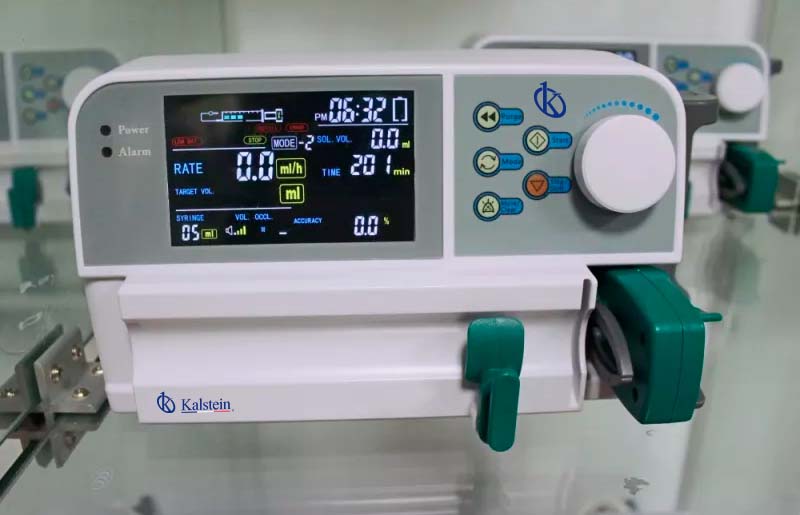
By applying the infusion pump as medical equipment, patients can enjoy the intravenous applications of medicines, as these devices are able to program and control a given infusion.
What is neonatal hyperbilirubinemia?
Neonatal hyperbilirubinemia is a clinical condition characterized by elevated serum bilirubin levels, and manifests as yellowing of the skin and mucous membranes known as jaundice, a condition that reflects a temporary imbalance between the production and elimination of bilirubin. The causes of neonatal hyperbilirubinemia are varied and generate direct, indirect or combined hyperbilirubinemia of variable severity.