

What is a microwave used for?
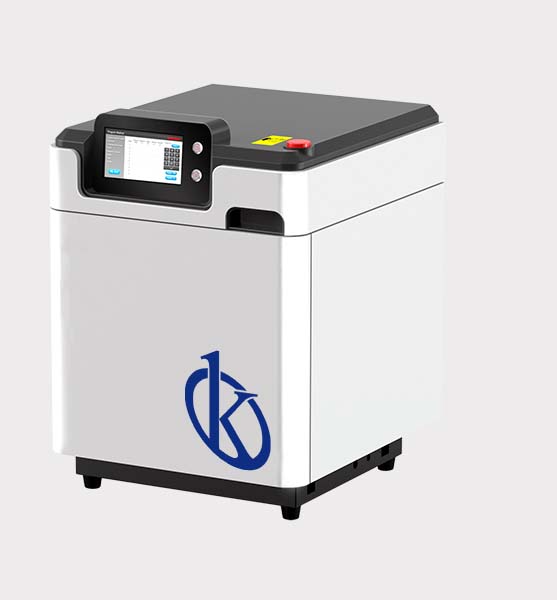
The applications of this equipment are wide in different areas, generally used to mineralize solid samples from which information is obtained at elemental level through spectroscopic technique, so it is necessary that the sample is in liquid state, this apparatus is present in laboratories dedicated to the environment, agriculture, food, plastics, petrochemical industry, geochemical industry, metals, ceramics.
How is a Sample Digested?
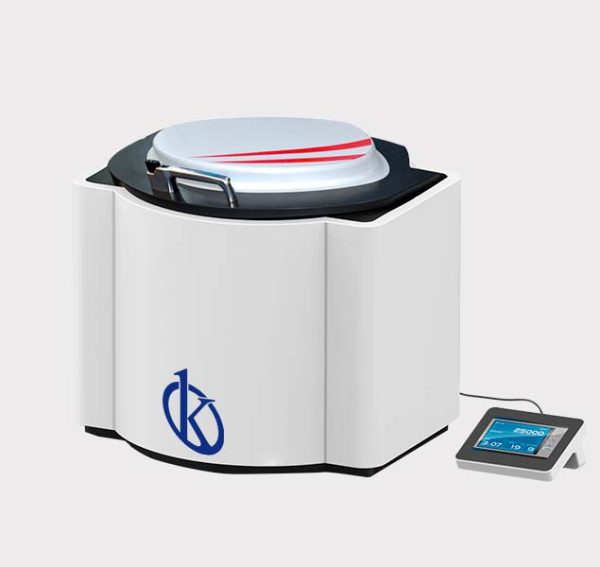
The digestion of samples is carried out through standard procedures for the preparation, by heating them, in transparent airtight containers, together with the acids necessary for the studies. For this, the Microwave Digestion equipment is used, where it applies usual parameters, such as temperature, which range between 220-240ºC, depending on the sample that requires to be subjected to heat, generating partial or complete degradation of the sample.
Bacticinerator Characteristics
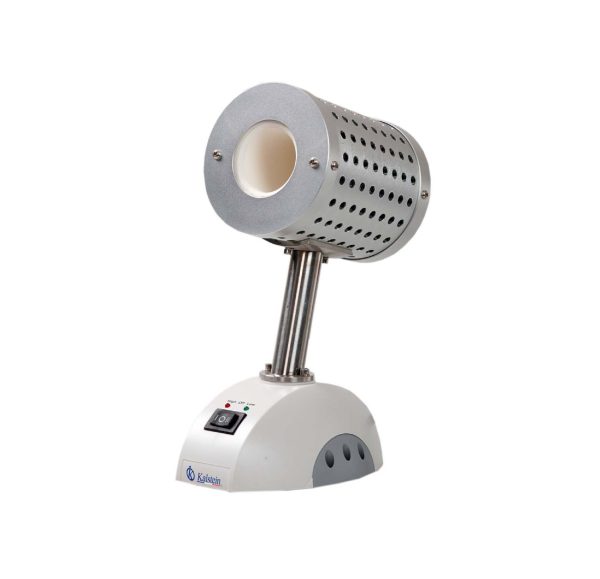
The Bacticinerador sterilizer is a gas-free, flameless laboratory instrument for use with microbiological needles and inoculation handles. It achieves sterilization through infrared heat without dangerous splashing of microorganisms, to comply with widely fundamental antiseptic techniques in the field of microbiology.
What are the Functions of a Bacti-Cinerator?
The use of lighters was the ideal equipment for sterilization within the laboratory. But today, with the existence of the Bacti-Cinerator, it became the appropriate instrument to disinfect the handles used in laboratories.
What are the Bacticinerator Applications?
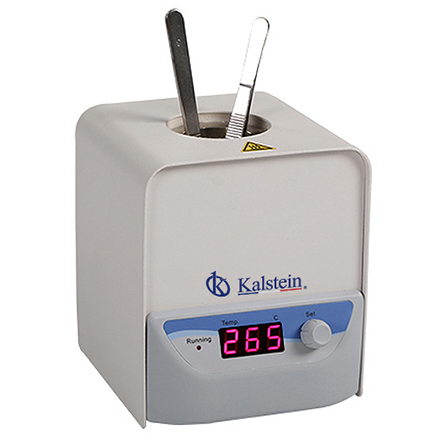
For the sterilization of the handles used in microbiology laboratories, the use of the Bacticinerator is ideal. This disinfects handles made of platinum, needles, glass tube/pipette nozzles, and various glass and metal instruments by incinerating at temperatures between 500 °C to 815 °C or more. These processes succeed in eliminating pathogenic and non-pathogenic microbial load from culture instruments. In this sense, the Bacticinerator is applied in food, pharmaceutical and / or cosmetic industries; passing and diluting samples up to 1g, avoiding microbial contamination.
Why is a bacti-cinerator important?
A bacterium-incinerator is a device used in microbiology laboratories to sterilize instruments, consisting of a ceramic tube surrounded by metal and with a hollow portion in the center. When ignited, the bacti-incinerator can reach temperatures around 800 degrees Celsius, enough to incinerate any organic material in an inoculation roast.
What are the differences between Bacticinerador and the Lighter?
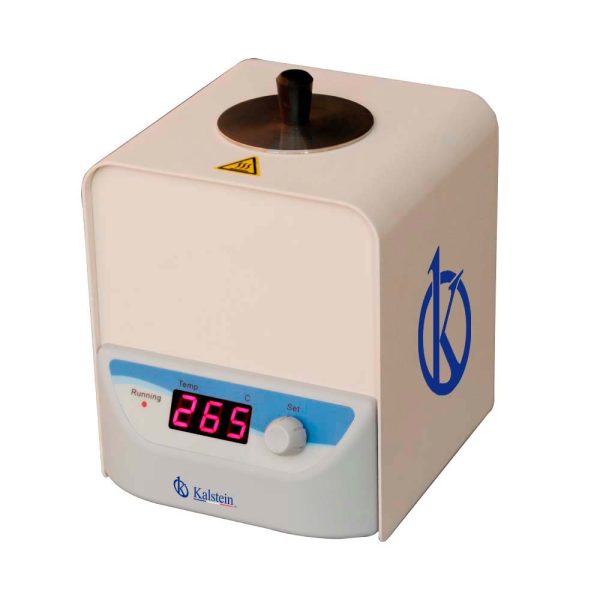
Currently, lighters are applied in laboratories around the world, for the sterilization of flasks. However, through the integration of sterilizers such as the Bacticinerador, their functions are different and they are in charge of disinfecting the handles for microbiological tests, besides being modern and has been relegating the Burner Bunsen to the role of an auxiliary medium, although still with great presence in the laboratory practices of many academic disciplines.
Using the Microplate Washer to Perform Syphilis Virus Serology
The microplate washer is a laboratory team responsible for cleaning the polyethylene plates used during Elisa’s practice. Its importance lies in sanitizing to remove any unbound material and substances that have not reacted.
Use of Moisture Analyzers for Coffee Production
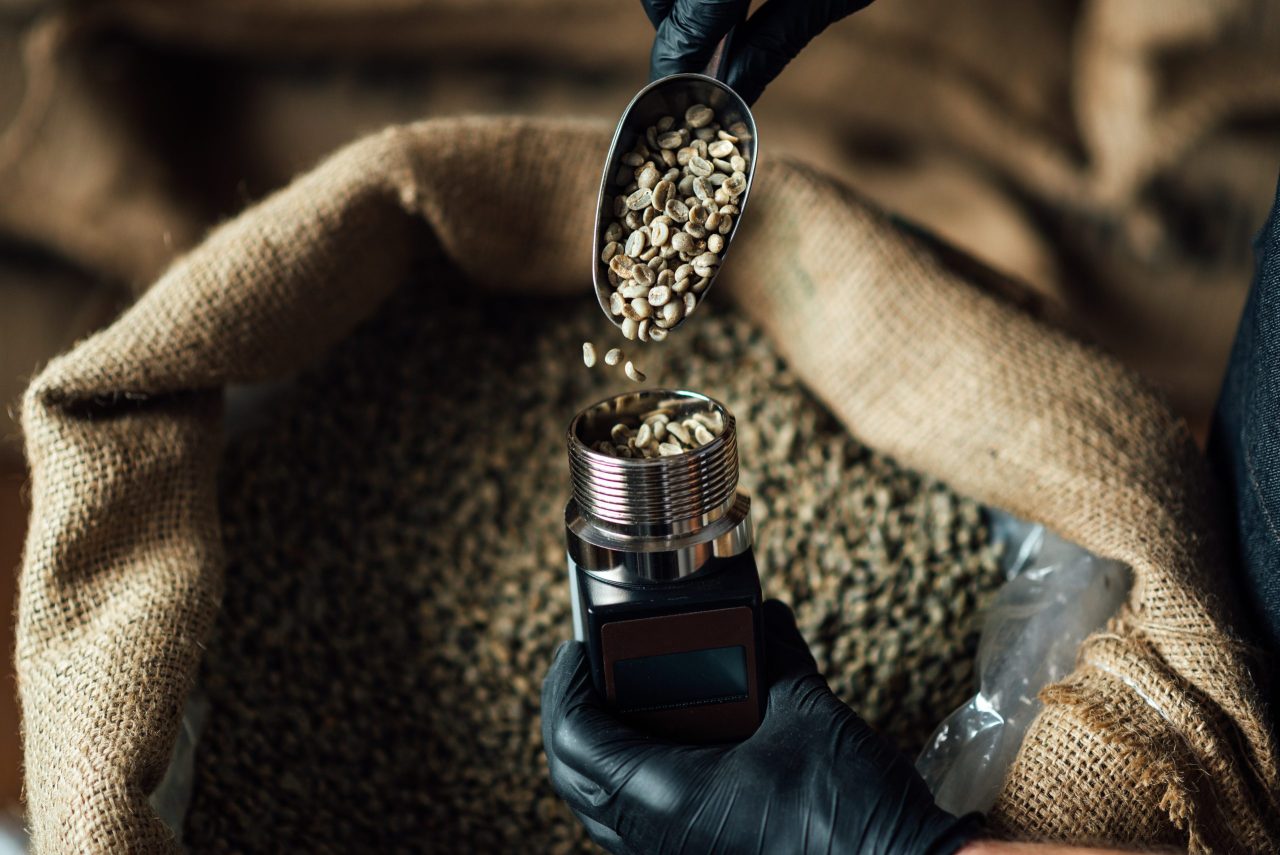
The drying processes for coffee production are the most used because it allows the conservation of grains, ensuring the elimination of all water contents in the seeds, favoring precision to reduce the growth of fungi and bacteria, and allows storage for long time, preserving the physical quality and conservation of the particular odor.
Use of lyophilizers to conserve coffee
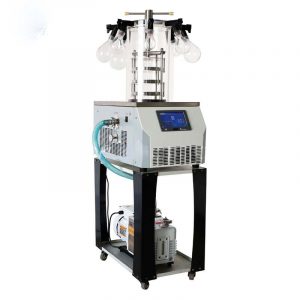
The lyophilizer is a device by which the process of lyophilization is carried out, which is nothing more than the drying of various materials. This equipment allows, through cold drying, the ability to remove moisture from a product or food to obtain it dehydrated, allowing them to continue conserving their properties and nutritional values, in addition to decreasing their volume.