Dissolved Oxygen Meter: How It Works
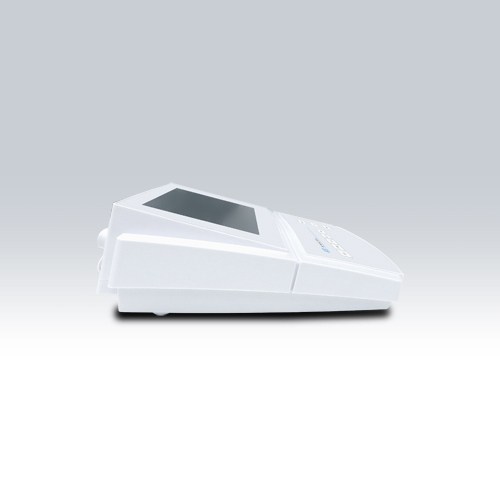
Let’s talk about dissolved oxygen (DO); it is the amount of gaseous oxygen that is dissolved in water, all aquatic life depends on the oxygen dissolved in water, the greatest amount of oxygen is obtained from the atmosphere, there are a variety of factors that influence the concentration of dissolved oxygen in water are: the atmospheric pressure, the content of salts in water and the temperature of the water.
Dissolved oxygen: How to measure it accurately?
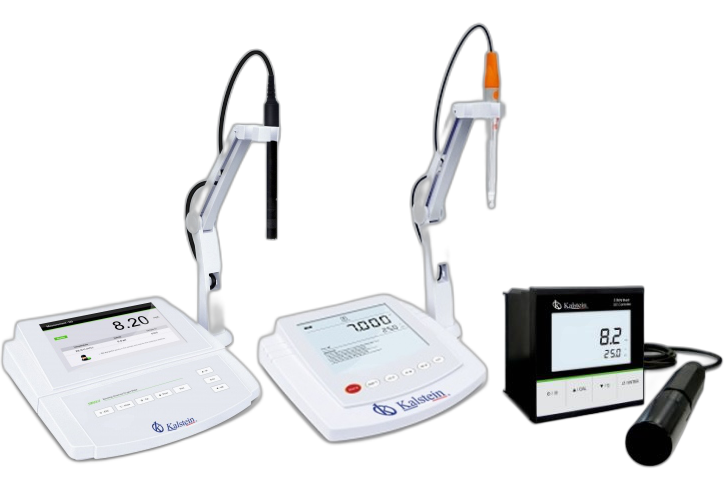
Dissolved oxygen (DO) is the gaseous oxygen that is dissolved in an aqueous solution, also defined as the measure of the amount of oxygen that is distributed in a system. Dissolved oxygen is related to water quality and can be measured accurately through an oxygen meter.
What is Acid Digestion for Metal Determination?
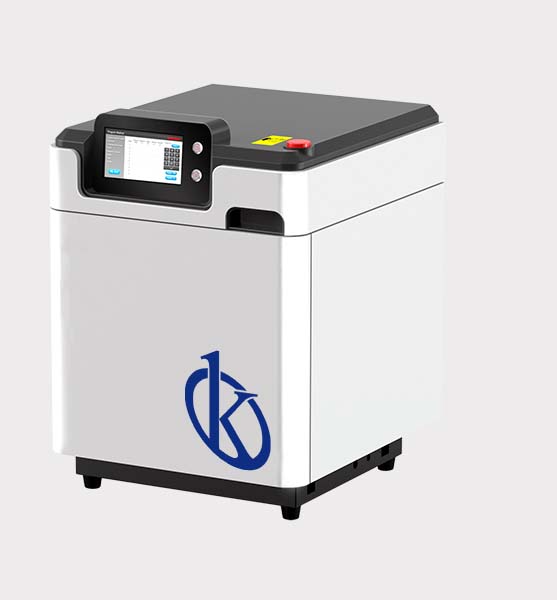
By using the techniques of atomic absorption spectrometry and microwave digesters, they comply with traditional methods for acid digestion, and are used for the development and preparation of samples, in order to obtain the analysis in liquid form.
Microwave Digestion System in Tumor Samples to Detect Cancer
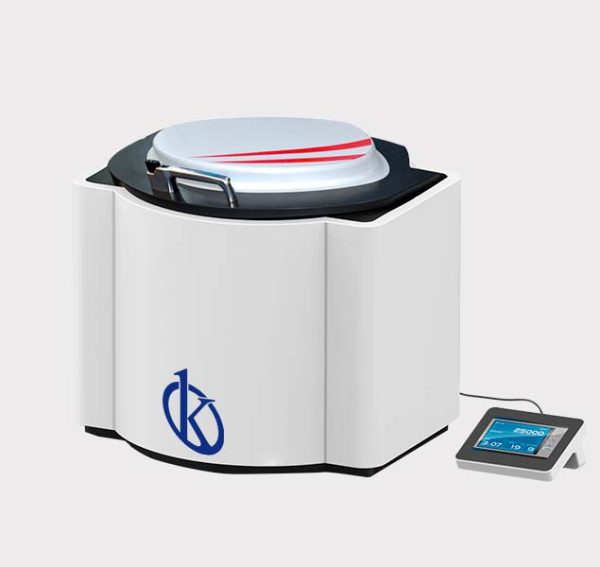
Microwave digestion is a technique used to break down the materials in a test sample. By adding strong acids and even bases and heating, the sample homogenization process is accelerated. This results in a solution in which there are highly solubilized organic materials and metal ions, suitable to perform a spectrophotometry analysis and know the components that make up the resulting solution.
Microwave Digestion in environmental samples for the agricultural sector?
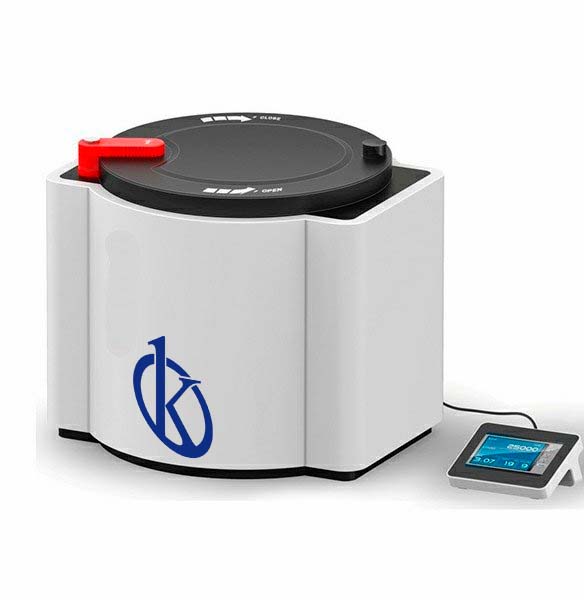
Many laboratory procedures require the use of a microwave digester for sample preparation. The rationale for any microwave digestion process is based on the introduction of the samples into special transparent and closed vessels, in conjunction with the reagents required for testing. The sample is heated to temperatures ranging from 200° to 300° C so that it is partially or completely degraded.
How to ensure food quality with Microwave Digester
Microwave digesters are equipment that perform sample digestion in order to obtain information about its components at the elementary level, they are used in many fields, from biology, chemistry, medicine, textile industry to the cosmetics industry. Microwave digestion is used hand in hand with the spectrophotometry technique, since in the latter it is necessary that the sample is in liquid state to be able to analyze it.
Microwave digester: in which scientific sectors is it used?
The use of this equipment for different scientific processes is proven thanks to the scientific researchers in the areas of chemistry and engineering, where the use of microwaves for NTK analysis and oxygen demand is validated, due to the effective system of temperature that these processes require, thanks to the microwave digester samples and tests reach a necessary temperature in a shorter time and without thermal degradation.
What are the Sterilization Systems offered by the Bacticinerator?
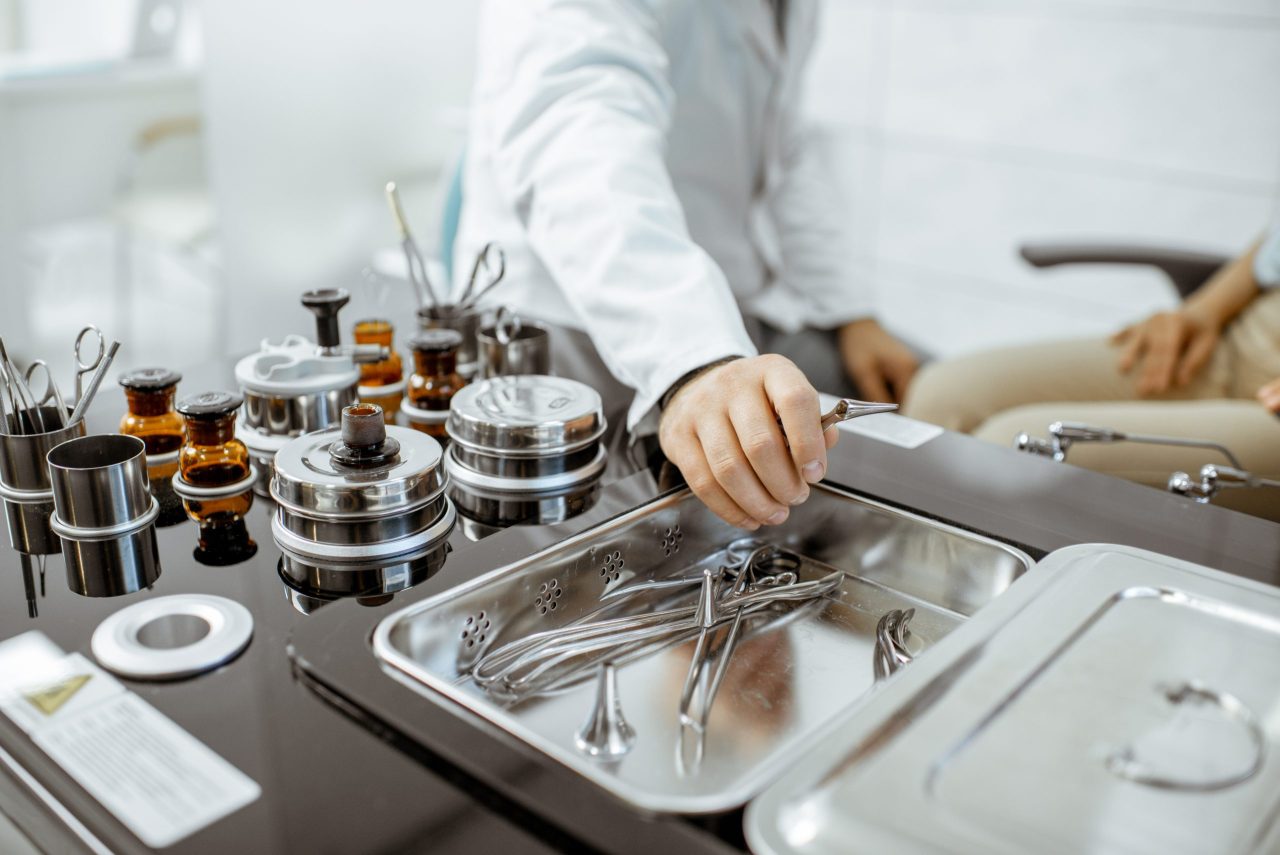
Firstly, all laboratory equipment and instruments are exposed to be contaminated by microorganisms, something that cannot happen if you want a correct use according to the sanitary regulations that must be practiced within these spaces. It is important not to confuse cleaning with sterilization, which are processes that can be combined but have different characteristics that need to be noted.
Safety measures for the use of the Bacticinerator in the laboratory
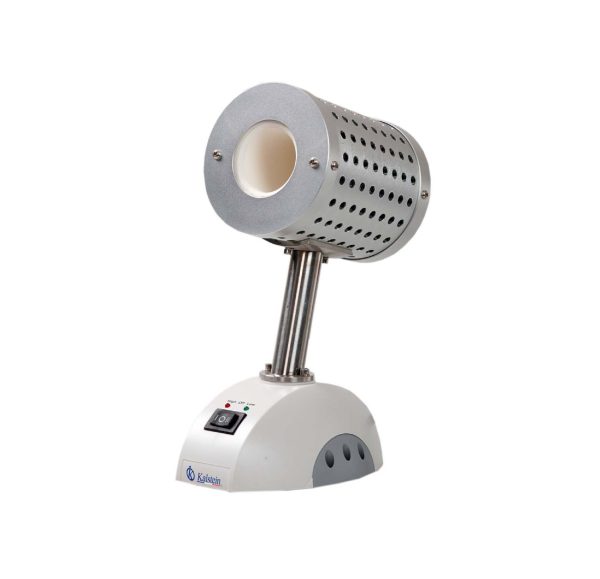
It is important to comply with security measures, because it is not only the right way to work, it is the only way to do it. Therefore, working in a laboratory involves the use of equipment and other elements, whose dangers are mandatory to study them to prevent in all aspects. Reflecting on safety measures in the laboratory is a formal requirement, since the risk of accidents such as burns, poisoning, fires or electrical shocks are always present.
Benefits of Bacticinerator for Microbiology tests in the Laboratory
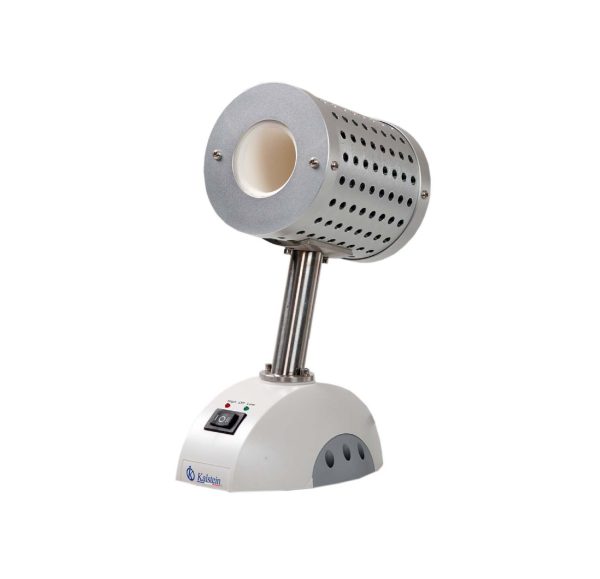
The work of the microbiology laboratory is to identify precisely, firmly and quickly the responsible agents at the species level, and identify their patterns of antimicrobial resistance. Thus, standard microbiologic methods remain consistent in providing rapid identification and susceptibility testing.