

Use of the PH meter to determine the degree of reduction of a sample
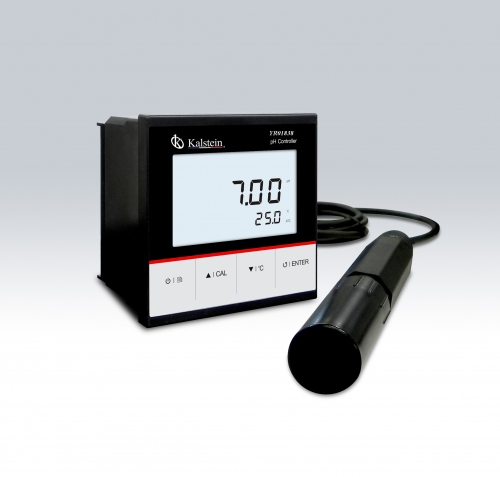
The pH meter is used to determine the degree of decline of a sample. This is important because it indicates the amount of acid or base in the sample and determines the degree of contamination. Likewise, it measures the concentration of H+ ions in a sample, where it is directly related to the alkalinity of the sample, the higher the concentration of ions, the more acidic the sample. In contrast, the lower the ion concentration, the more basic the sample.
pH meter, water pH, milk pH, and human body pH
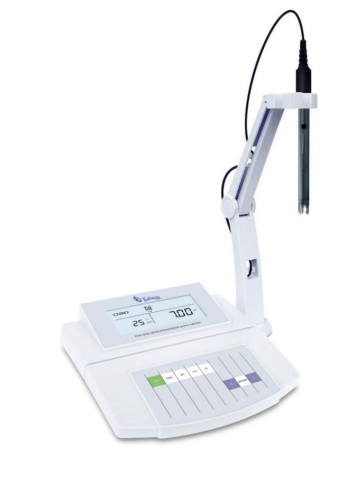
PH is a parameter used to measure the concentration of the hydrogen ion [H +] in a solution. In definition pH, it is the negative logarithm of base 10 of the activity of the [H +]. PH values vary on a scale from 0 to 14, which indicates the degree of acidity or alkalinity of an aqueous solution.
pH meter or pH meter: How should it be used?
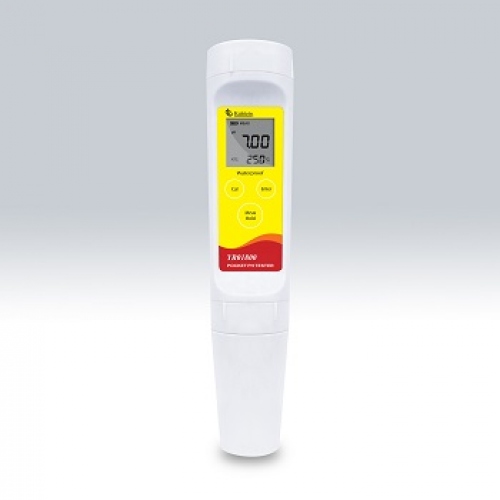
A pH meter is an instrument used to measure the acidity or alkalinity of a solution. The information provided by this equipment expresses the degree of acidity of an acid or base in terms of the activity of hydrogen ions.
What is pH and how is it measured?
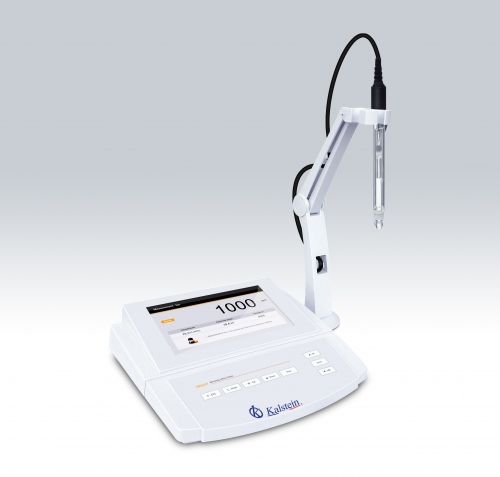
pH is the unit of measurement that describes the degree of acidity or alkalinity and is measured on a scale that goes from 0 to 14. The measurement of pH (hydrogen potential) is one of the most important parameters in a laboratory, it has a great field of application such as: research, industry, teaching, among others.
How does a pH meter work?
A pH meter or pH meter is an instrument used to measure the acidity or alkalinity of a solution. The information provided by this equipment expresses the degree of acidity of an acid or a base in terms of the activity of the hydrogen ions.
Importance of pHmeter in a laboratory
A pH meter is one of the most used equipment in a laboratory. It is used to measure the acidity or alkalinity of a solution and the information it provides expresses the degree of acidity of an acid or base in terms of the activity of hydrogen ions, so through the use of this equipment we can know the type of substance we are analyzing, as well as the type of treatment that should be given to it.
Conductivity applications
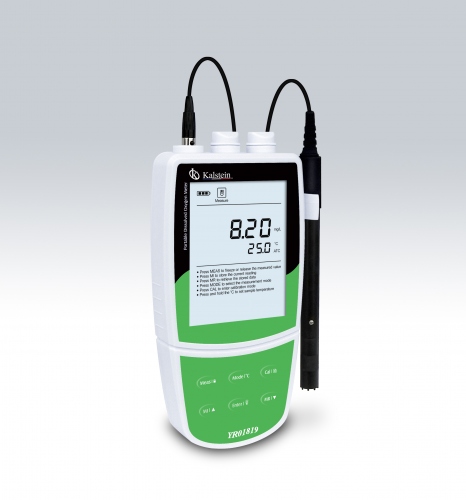
A conductivity meter is a scientific instrument used to measure the electrical conductivity of a solution. The results obtained from a conductivity meter are useful in a number of different scientific fields, including chemistry, biology and medicine.
The most common errors when measuring conductivity in the laboratory
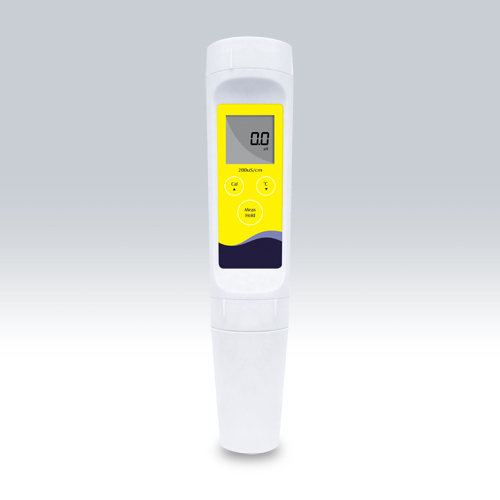
Conductivity meters are used to determine the amount of salts in the water. These instruments send an electrical current through the water and then measure the resistance to electricity. As the concentration of salts in water increases, electrical conductivity also increases. Water that does not contain salts, such as rain or tap water, has very low electrical conductivity. For this reason, conductivity meters are useful for determining whether water is contaminated with salts. Conductivity meters can be used to measure groundwater, surface water, wastewater and seawater.
Laboratory conductmeter, operation
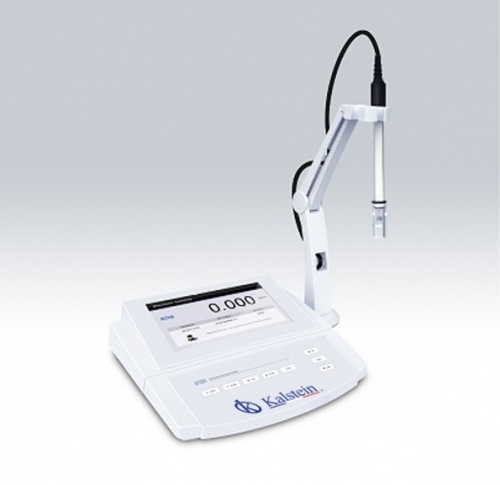
A conductivity meter or conductivity meter is a laboratory device, which is used to measure the amount of electrical current or conductance in a solution. That is, it is the instrument that is used to know the conductivity (electric charge) in water body, parameter that is useful to determine the general health of natural water bodies. It is also a way to detect changes in wastewater procedures at treatment plants.
Importance of a conductivity meter in a laboratory
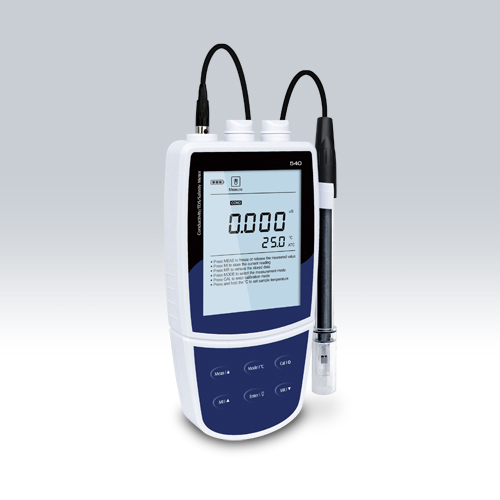
A conductivity meter or conductivity meter is a laboratory device that measures the electrical conductivity of the ions in a solution. For what applies an electric field between two electrodes and performs a measurement of the electrical resistance in the dissolution, usually the most used measure are S/cm, other alternative ways of expressing the conductivity are salinity and total dissolved solids (STD). They are quite common and important equipment in procedures involving water treatment and monitoring, as well as in environmental laboratories.