

Ion and Conductivity Meters: Differences
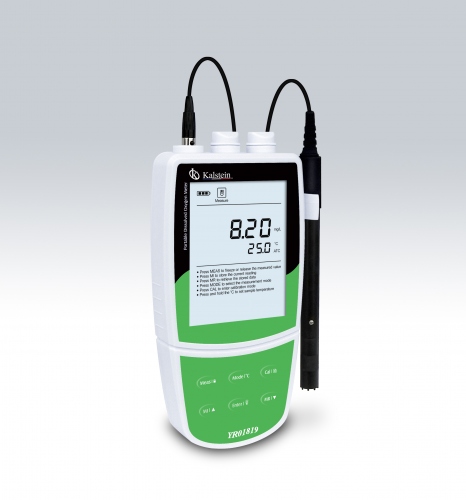
Today’s ion meters are based on the ion-selective electrode technique. These are measuring instruments that have a sensitive membrane capable of measuring ionic activities. That is, they measure the concentration of a given ion in a solution using both a sensing electrode and a reference electrode.
How to choose the right Conductivity Meter for your Laboratory?
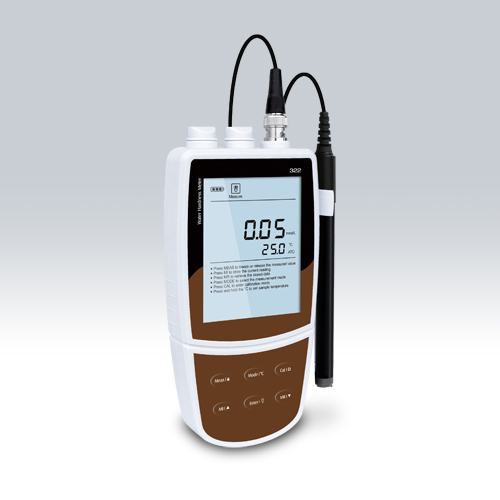
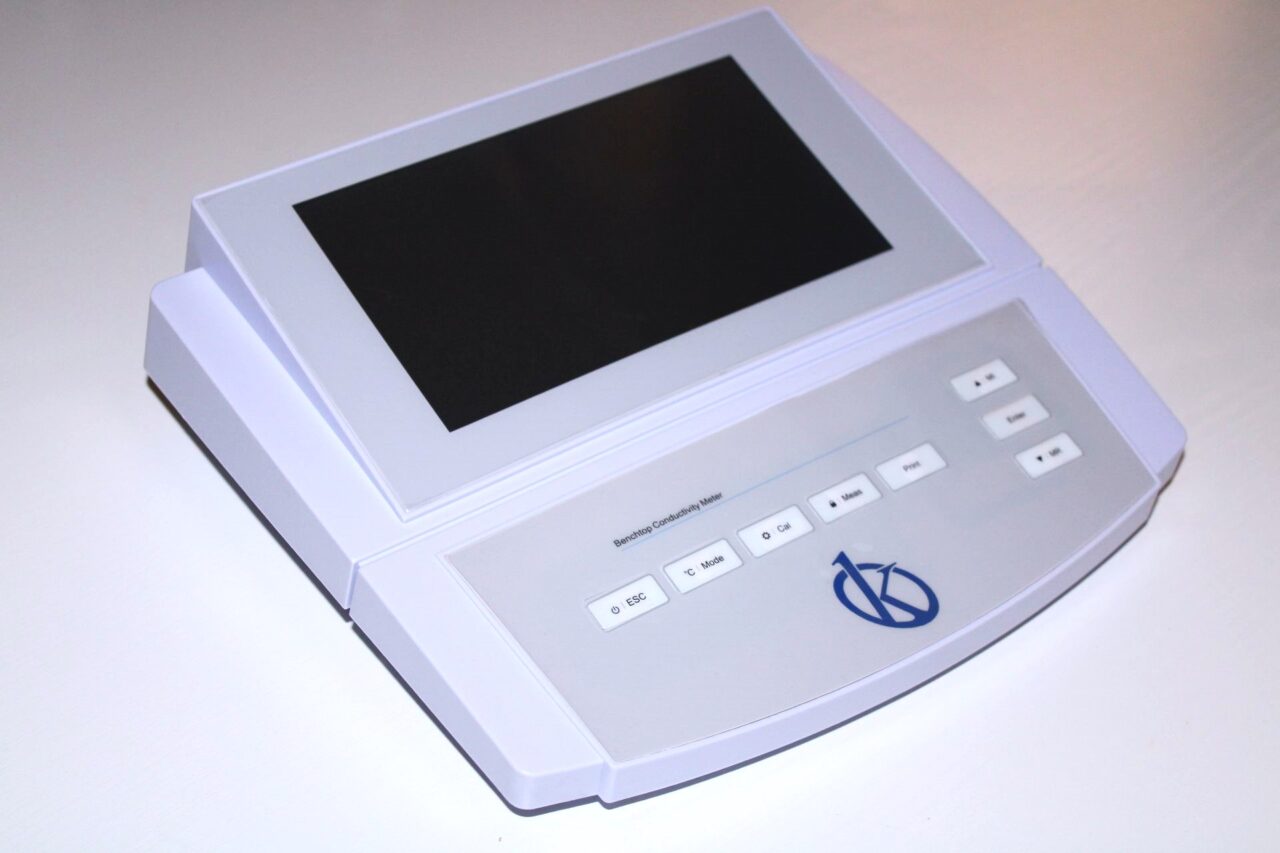
Conductivity meters are widely used in many different industries to measure the amount of minerals dissolved in a liquid. This information is important to ensure product quality and comply with environmental regulations. There are many different types of conductivity meters on the market, and choosing the right one for your lab can be a daunting task. We at Kalstein have the right equipment, our equipment has an automatic reading function, which detects and blocks the end point of the measurement. As well as the restart function that automatically resumes all configurations to factory defaults.
What are the steps to use and calibrate a turbidimeter?
A turbidimeter is an instrument used to measure suspended particles of a liquid or dissolved gas, through an optical analysis, providing reliable and accurate measurements. This equipment is used to detect particles from light sources for ultra pure water and high turbidity applications. There are several models and they are distinguished by the geometric arrangement of the light source with respect to the photo cell.
Laboratory turbidimeter: operation
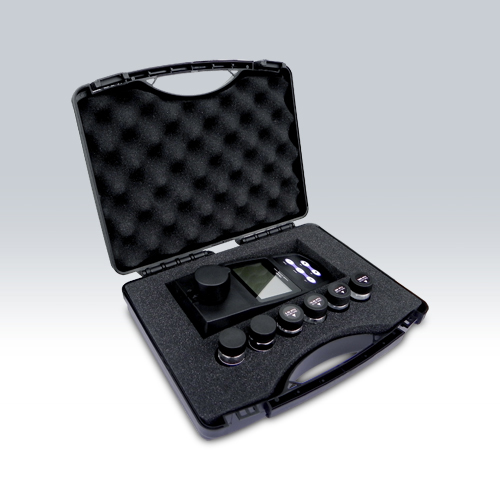
A turbidimeter is a laboratory device used to measure suspended particles in a liquid, that is, to measure their degree of turbidity. This instrument is designed for both field and laboratory measurements, and its use is of great importance in the pharmaceutical industries, food industry, paper industry, wastewater treatment plants and drinking water.
What are the Turbidity Measurement Methods?
Turbidity is a parameter that represents the time of incapacitation of light in water and other liquids. The parameter was introduced in the first water contamination studies, in which researchers tried to establish relationships between water turbidity and the presence…
How is Turbidity Measured in Portable Water?
Turbidity in drinking water can be measured using a measuring device known as a turbidimeter. The turbidimeter is an electronic device that measures the degree of dispersion of small particles suspended in water. These particles may include minerals, sediments, suspended organic matter, and bacteria. If too many particles are suspended in the water, it can have a negative effect on the appearance and taste of drinking water. These suspended particles can also currently cause color, taste and odor defects in water. For these reasons, it is important to control turbidity to ensure good water quality.
What are the Standards for Turbidity Analysis for Water Treatment?
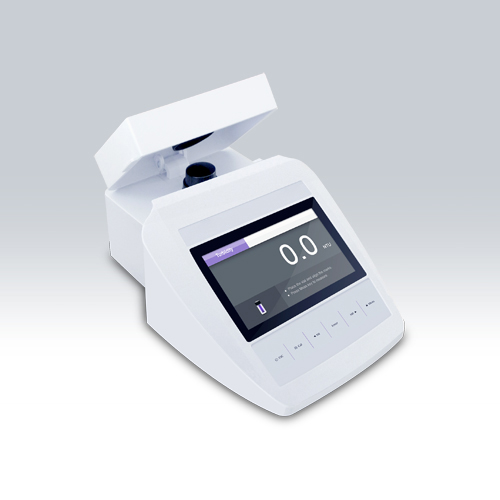
A turbidimeter (also called a turbidity meter) is a water quality monitoring device used to quantify the amount of suspended solids or dissolved particles in the water. This is achieved by measuring how light is dispersed as it passes through water. The greater the turbidity of the water, the greater the degree of light dispersion, and the turbidimeter will signal a higher reading.
Turbidity Control in Water Treatment
Turbidity meters are commonly used as part of water quality inspection to determine water resource protection, as well as to verify compliance with industry standards or appropriate water quality standards. In addition, turbidity meters are used to investigate possible harmful effects on water, such as oil spills, fertilizers or crop fertilizers.
Laboratory Turbidimeter: What are the different types that exist?
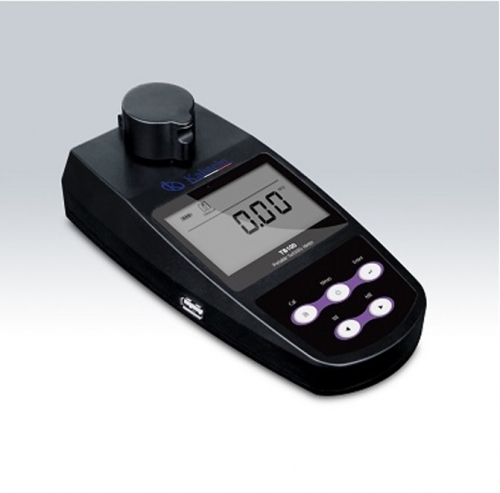
These devices allow us to measure the turbidity of water, being turbidity an indicator of water quality, once the turbidity level is established the appropriate treatment to transform it into quality water such as coagulation, filtration and decantation; turbidimeters are designed to measure water quality, these instruments provide reliable and accurate readings, even in those cases where turbidity is within the lowest parameters.
Turbidity Meter: What does it measure?
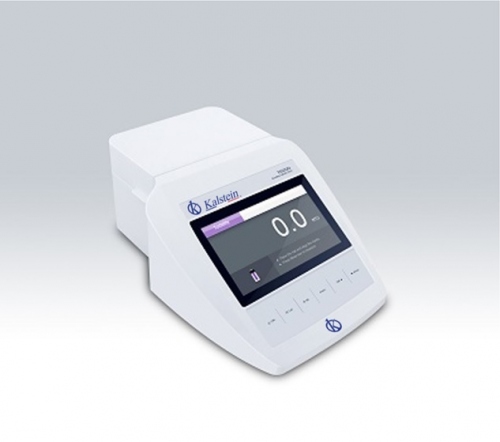
To know the degree to which water loses its transparency, it is necessary and indispensable in the quality of drinking water; for the measurement of turbidity the use of a beam of light is required, this is known as the incident light beam, with defined characteristics, to be able to determine the semi-quantitative presence of particulate matter present in the water or any sample of fluids.