

Advantages and Disadvantages of using a Rotary Evaporator?
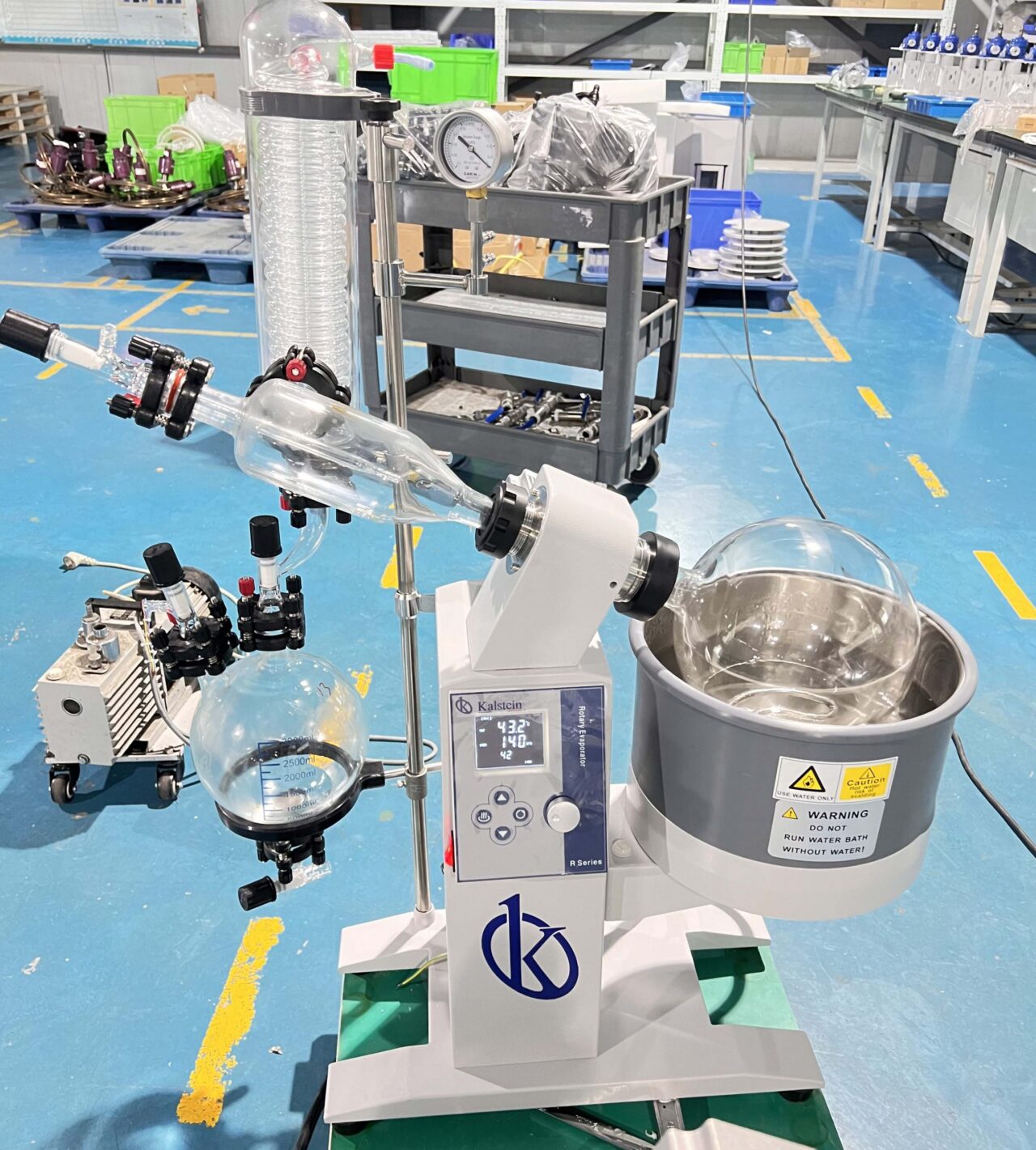
A Rotary evaporator is a laboratory equipment, applied in the chemical sector, capable of separating or rescuing substances at very low pressures, to extract from them the various elements that compose it, through distillation processes, and to be able to separate the components from each other.
How can the Rotary Evaporator be used to purify organic compounds?
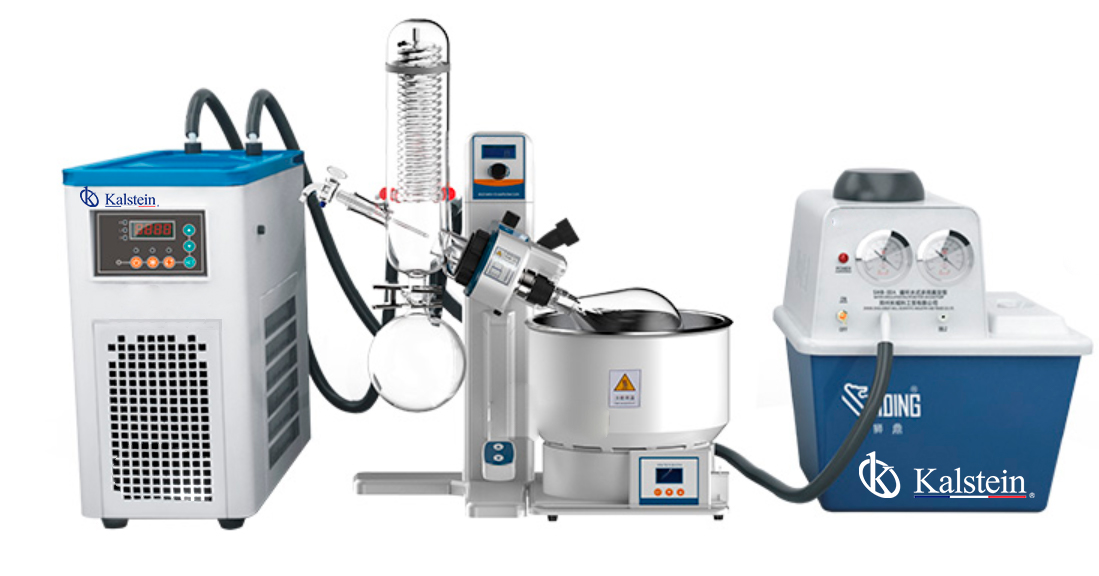
At Kalstein we have the ideal rotary evaporator, commonly used in the laboratory to distil or purify liquids. Similarly, it can be used to distil pure organic compounds. It is a relatively simple equipment consisting of an evaporation chamber, a vacuum unit and a condenser.
The Rotary Evaporator in the Biology Laboratory
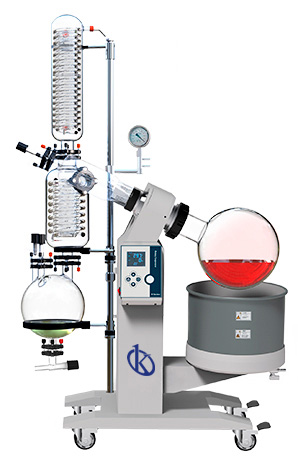
A rotary evaporator is laboratory equipment designed to facilitate the evaporation of liquids at high temperatures. It is an essential tool in the biology laboratory, where it is used to concentrate samples and perform other tasks related to research. The rotary evaporator consists of an evaporation tank, a heating unit, a condensing unit and a vacuum pump. All these elements are connected to each other by a series of pipes and hoses.
Maintenance of Rotary Evaporators: how to extend the service life?
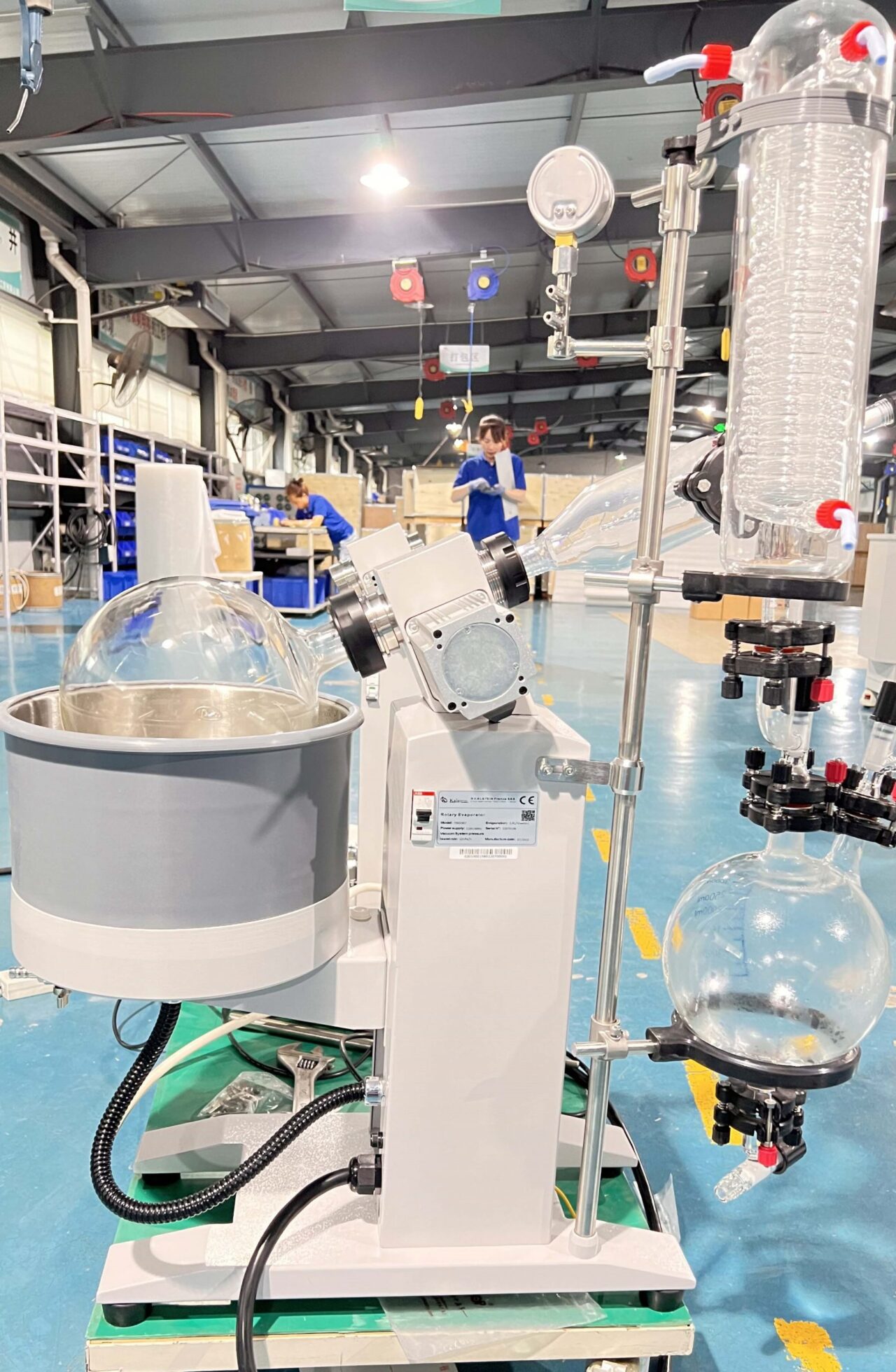
Rotary evaporators are an essential part of laboratory equipment, and their proper maintenance is crucial to ensure optimal operation and extend their life.
It is a device used to remove solvents from mixtures by evaporation. A boiling V-shaped flask with a capacitor above is used. A vacuum is created in the flask which causes the liquid to boil at a lower temperature. This allows the solvent to be withdrawn without damaging the other ingredients in the mixture.
Why is it more efficient to use a Rotary Evaporator to concentrate laboratory samples?
A rotary evaporator is a very useful and efficient instrument for concentrating samples in the laboratory, since it allows the solvent to be evaporated in a controlled way and leaves the sample in the container without damaging it. This is very important, as it prevents the loss of the sample and ensures a correct concentration.
The refractometer to measure water salinity
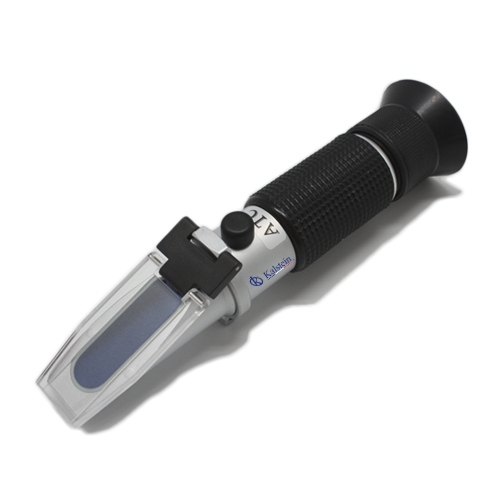
Currently, salinity is usually defined as the concentration (g/L or ppt) of dissolved salts, i.e. the amount of salt in the water, which is not dependent on temperature. It should be noted that the original concept emerged around the 1901s, when the International Council for the Exploration of the Sea (CIE) commissioned Danish Martin Knudsen to conduct research on the ionic properties of seawater and how it related to the chloride content. Knudsen defined the concept of salinity, based on the average chlorinity of ocean water and established the equation Salinity = 0.030 + 1.805 Cl – expressed in g/L. It was modified over time and by 1967 it became 1.80655 Cl – by international agreements.
Refractometer: What do they measure?

The refractometer is an optical device that serves to measure the percentage of soluble solids in a liquid solution, this instrument uses the physical principle of total refraction of light, which originates from the concentration and type of substance dissolved in a liquid solution.
How does a refractometer work?
Refractometers are optical instruments that allow determining the percentage of soluble solids in a liquid solution, making use of the principle of total refraction of light (caused by the type and concentration of substances dissolved in a liquid solution), which takes place in the boundary layer between the prism and the sample.
How useful is the veterinary refractometer? Useful Concepts

Refraction is the change in the velocity of a wave that affects a surface as it passes from one medium to another with a different refractive index. The refractive index is the ratio of the speed of light in vacuum to the speed of light in another substance, making the refractive index a specific physical property. This parameter of analysis is a good approximation for media where losses by absorption or other phenomena are negligible.
What are the advantages of using the Refractometer?
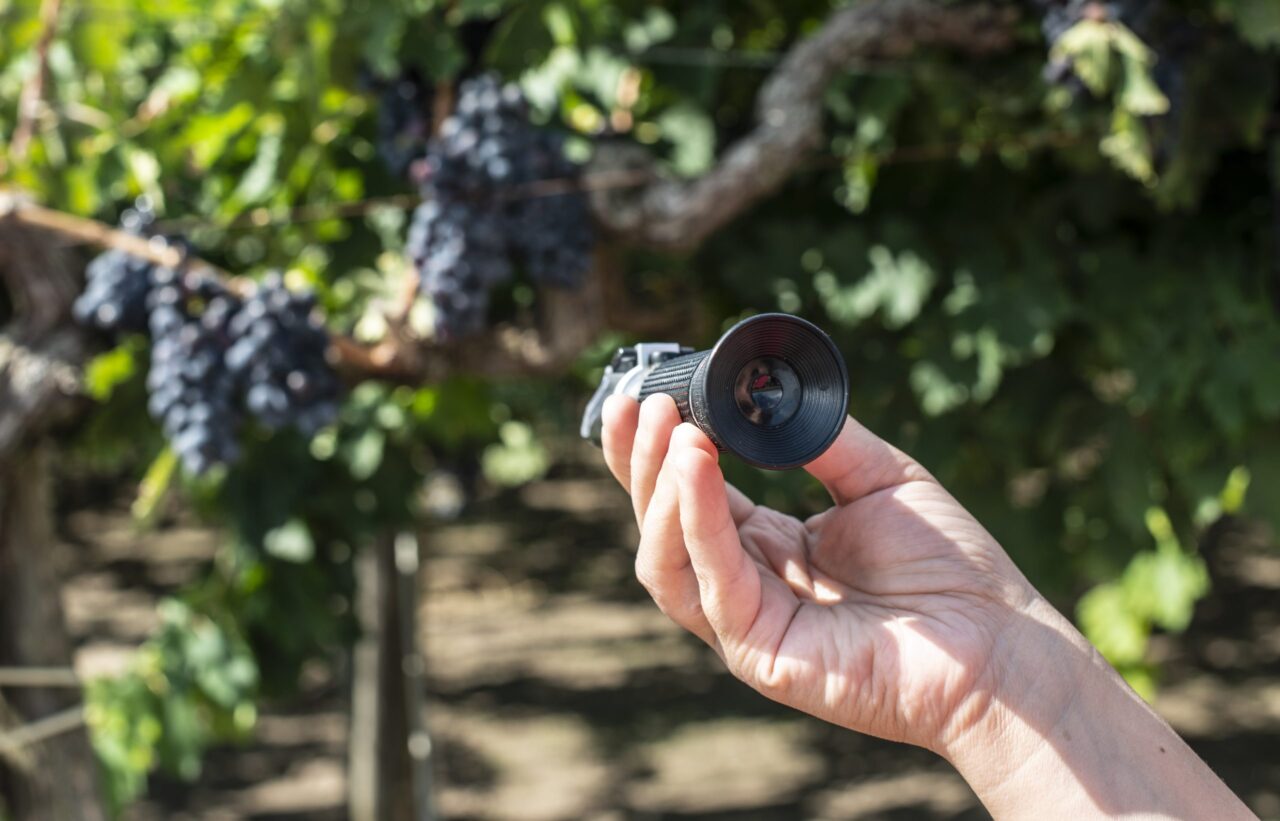
The refractometer is a laboratory instrument used to measure the total solids in a solution and determine their state of purity. It is a novel light refraction instrument that crosses matter directly related to solidity and the set of suspended solids, which passes through various prisms, resulting in measurement scales such as Brix, specific density, percentage (%), among others.