

What is a food freeze dryer?
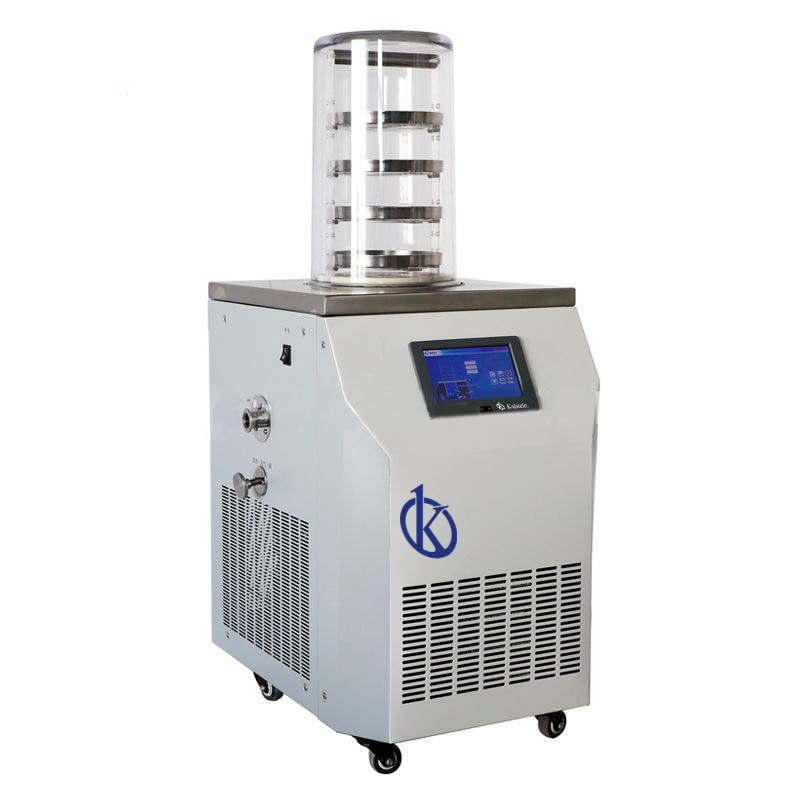
Freeze-drying is a technique for the preservation of food that is based on the drying of certain compounds by means of the sublimation of the water contained in them.
A lyophilizer is the apparatus used to carry out lyophilization. It consists of the following parts: dry chamber or lyophilization chamber: it is the place where the substance to be lyophilized is placed, condenser with a refrigeration circuit: it communicates with the dry chamber and it is where the vapor that is produced in the sublimation is condensed and finally a vacuum system.
What A Laboratory Freeze-Dryer Is And What It Is For
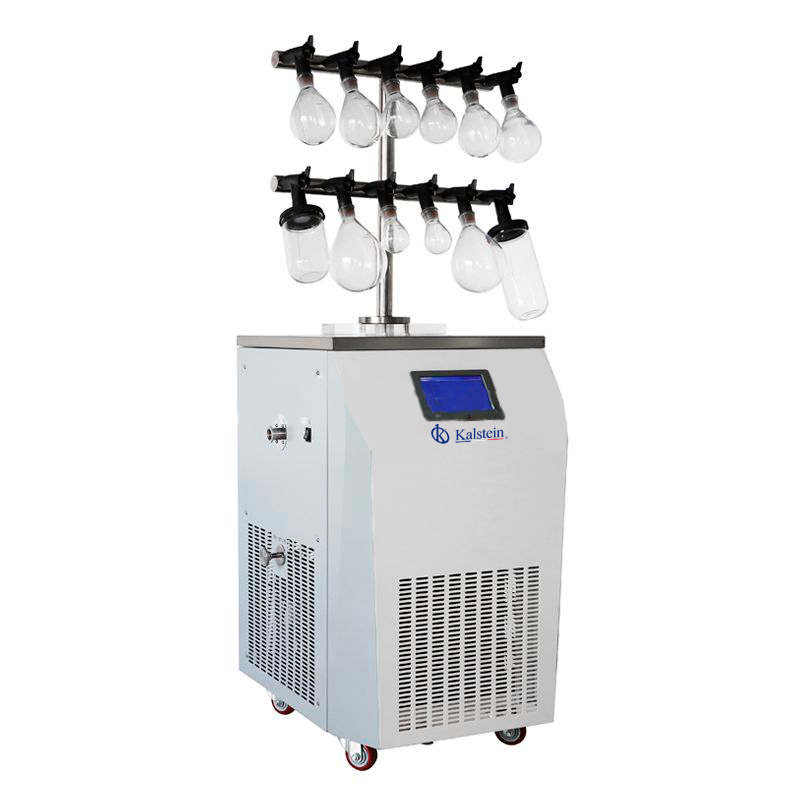
A laboratory freeze-drier is a commonly used tool to preserve biological material, usually from pharmaceuticals as well as food and industrial products. The laboratory freeze-drier, more commonly known as freeze-drying, freeze-drying and pressure sublimation equipment, is used to completely dry a product and preserve it for long periods of time.
Lyophilizers: What are its parts and maintenance?
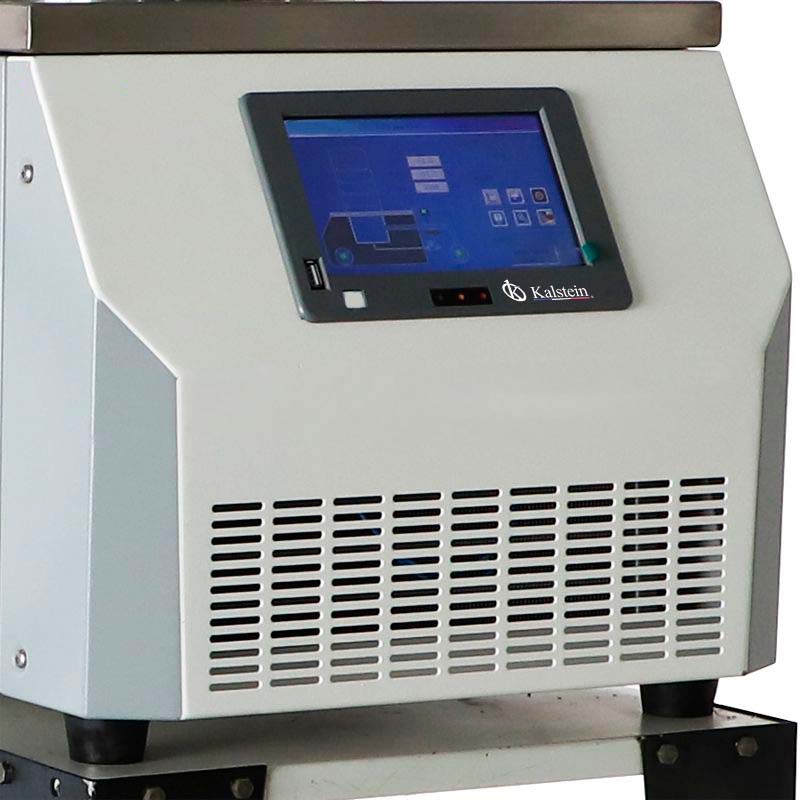
The freeze-drier is a laboratory equipment used to carry out the freeze-drying process, which consists of removing the moisture present in a given product through cold-drying, is a process that has as its main objective to separate water from a solution by freezing and subsequent sublimation of ice at reduced pressure.
The New Developments in Laboratory Freeze Dryers
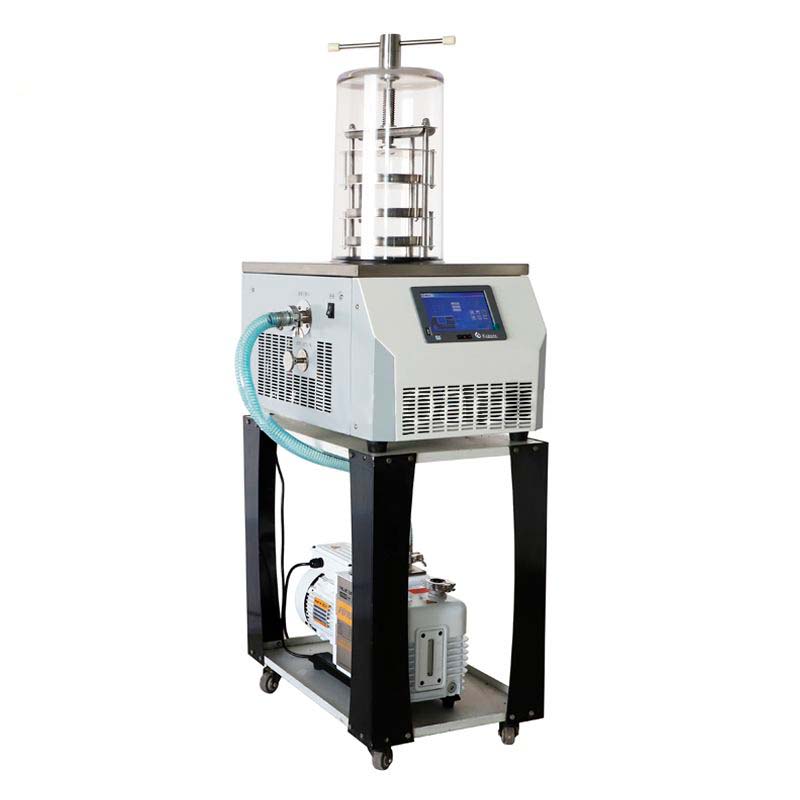
A lyophilizer is a device used in the laboratory to lyophilize or remove liquid water from an organic compound or solution. The process basically sublimes the water, removing the liquid content in the compound, whether it’s a bacteria, some cells, or even chemicals. This allows the compounds to be safely preserved for study and analysis in the laboratory. The latest advances in the technology of laboratory lyophilizers have helped researchers to improve the quality and efficiency of experimental work.
Why is it necessary to use a lyophilizer in a laboratory?
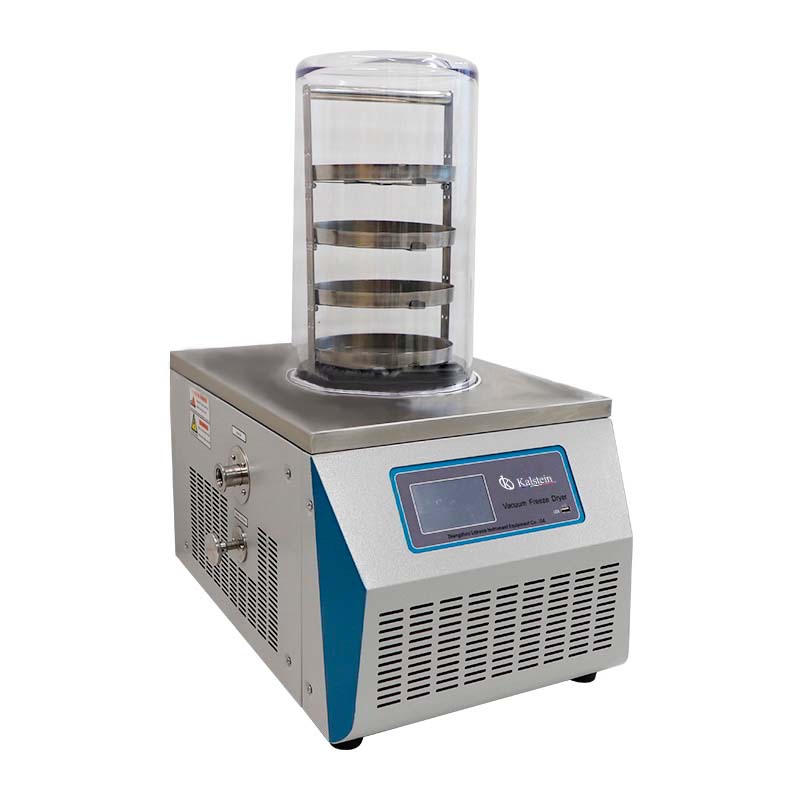
A lyophilizer is a laboratory instrument used to carry out the process of lyophilization, since this equipment is designed to remove moisture from a product by drying it cold, thus generating a completely dehydrated product that can be rehydrated when needed to use, without losing its common properties.
What are the criteria for selecting your ideal lyophilizer?
A lyophilizer is a laboratory instrument used for lyophilization, that is to say, it is used to remove moisture from a product by drying it cold, thus generating a dehydrated product that can be rehydrated when needed without losing its properties at the time of use.
What technology does a lab freeze-drier use?
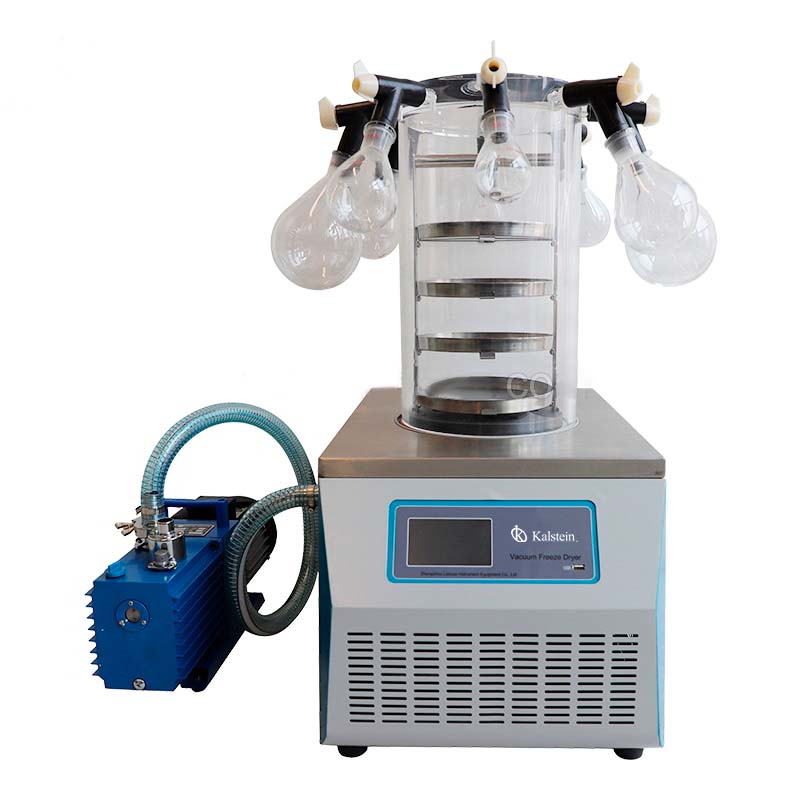
Freeze-drying is a laboratory process that has novel applications in the pharmaceutical and biotechnology industries, it is carried out in a laboratory instrument called freeze-drying that is used to stabilize, store or increase the shelf life of sensitive biological materials.
Rotary evaporators in the laboratory: keys for efficient use
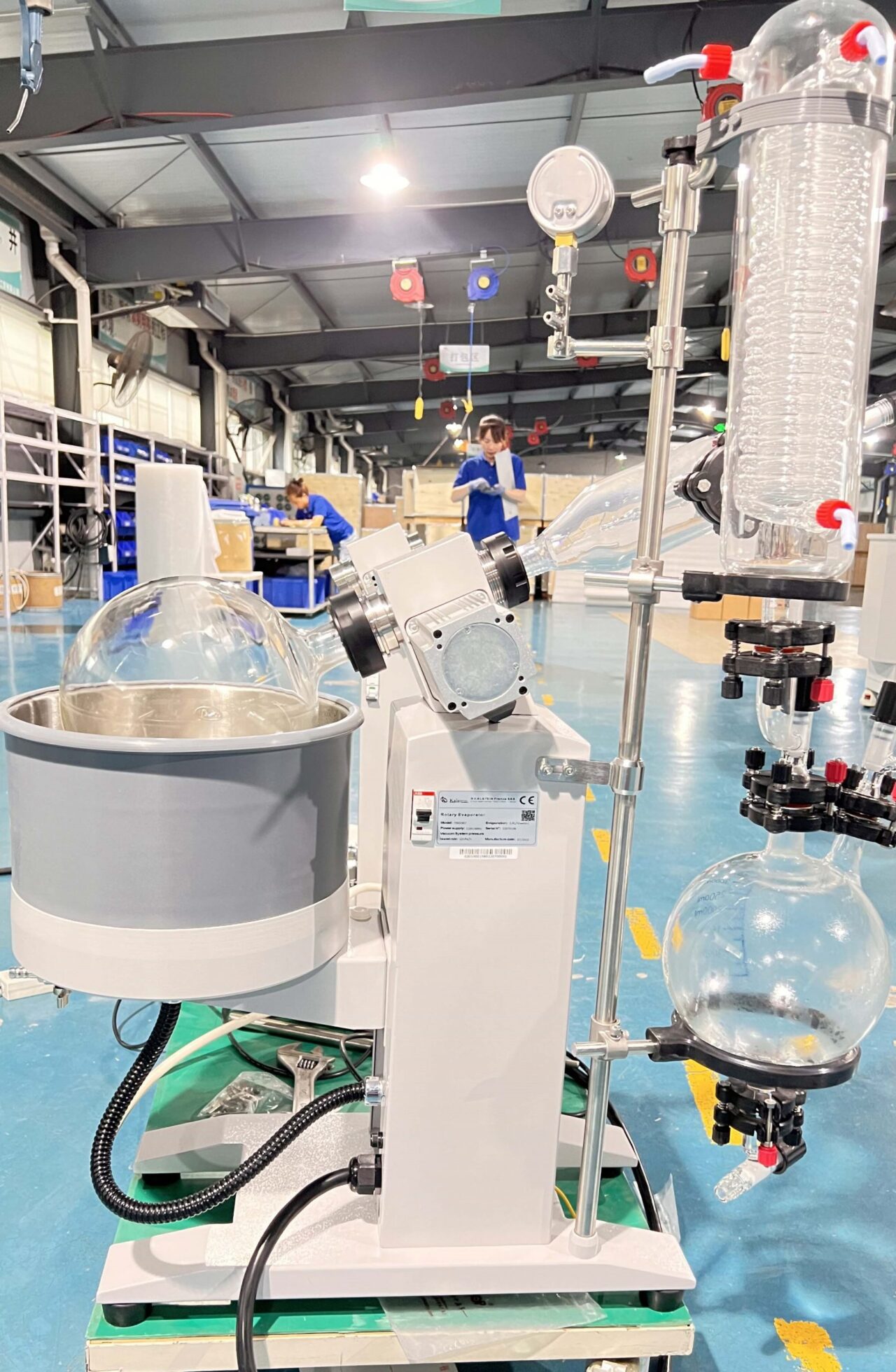
Rotary evaporators are a key tool in the laboratory, as they allow the evaporation of liquids at low temperatures. This is especially useful when working with materials sensitive to temperature changes, such as enzymes or proteins. The efficiency of the equipment depends on several factors, including the design of the equipment, the quality of the liquid to evaporate and the operator’s skill. Knowing these factors can ensure an efficient use of the rotary evaporator in the laboratory
Why is the Rotary Evaporator the most used distillation equipment?
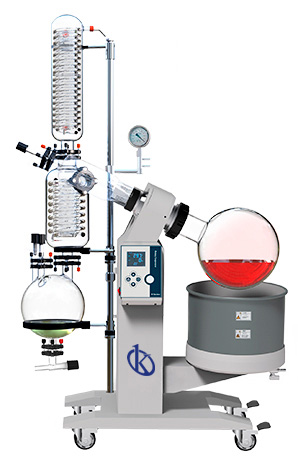
The rotary evaporator is a very useful tool in laboratories, since it allows the elimination of volatile solutions efficiently and safely. The equipment can also be used to distill liquids and extract essential oils from plants.
How the Rotary Evaporator can be used to accelerate chemical reactions
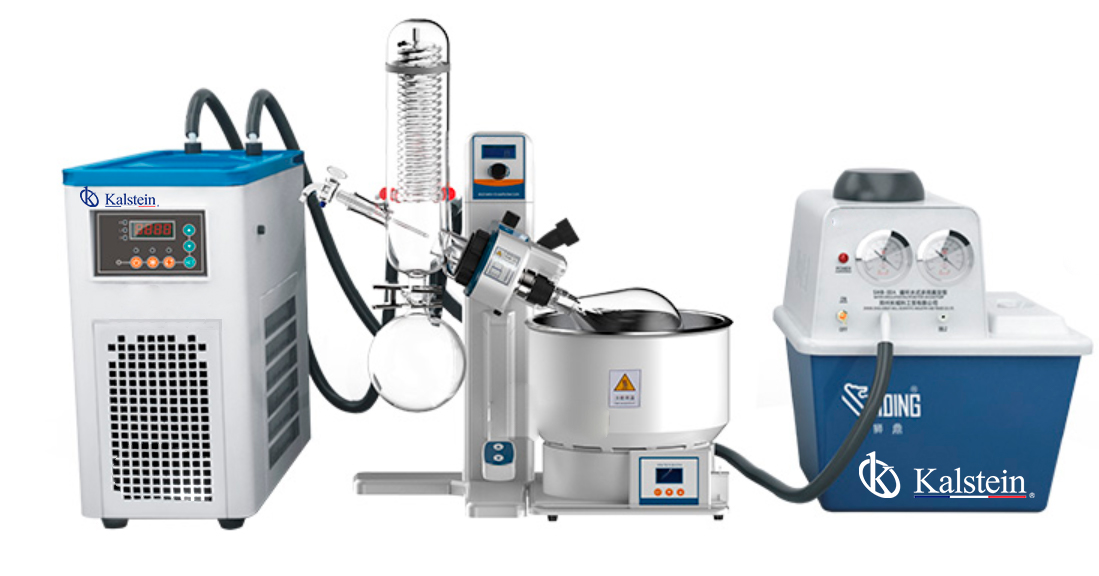
The rotary evaporator is a laboratory equipment used to carry out the distillation process by which the components of a liquid mixture are separated based on their different boiling points. In addition, we at Kalstein have the right equipment, which consists of a heating unit, an evaporation chamber and a condensation unit. The evaporation chamber is connected to a vacuum source, allowing liquids to evaporate at very low pressure. The condensing unit is connected to a water circulation pump, so the condensed liquid is recirculated and cooled. The heating unit is used to increase the temperature of the evaporation chamber, which makes the liquid evaporate faster.