

Incubators, their application in cell and microbiological cultures
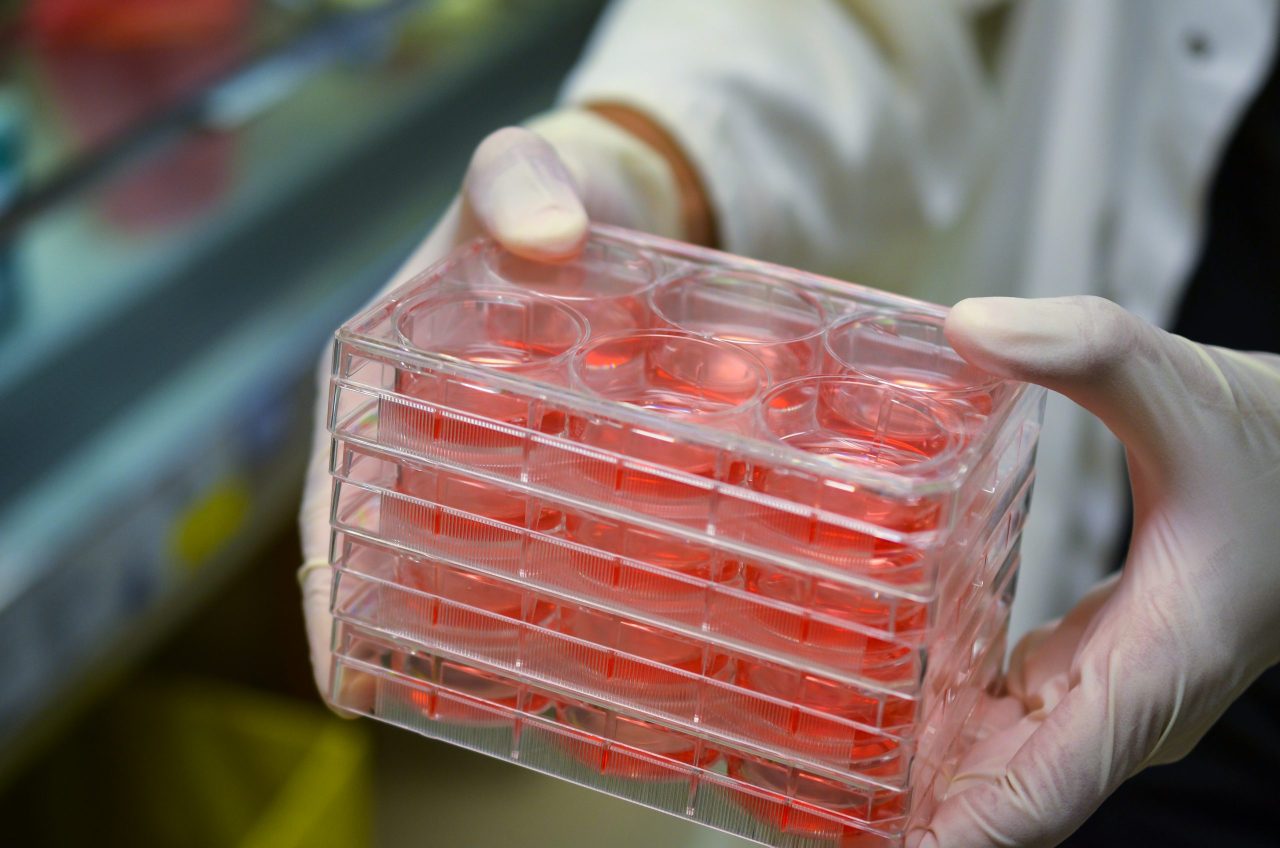
An incubator is a laboratory equipment that is used to maintain and grow microbiological cultures or cell cultures, regulating viable growth factors such as temperature, humidity and ventilation.
Centrifugation: RPM vs. G Force
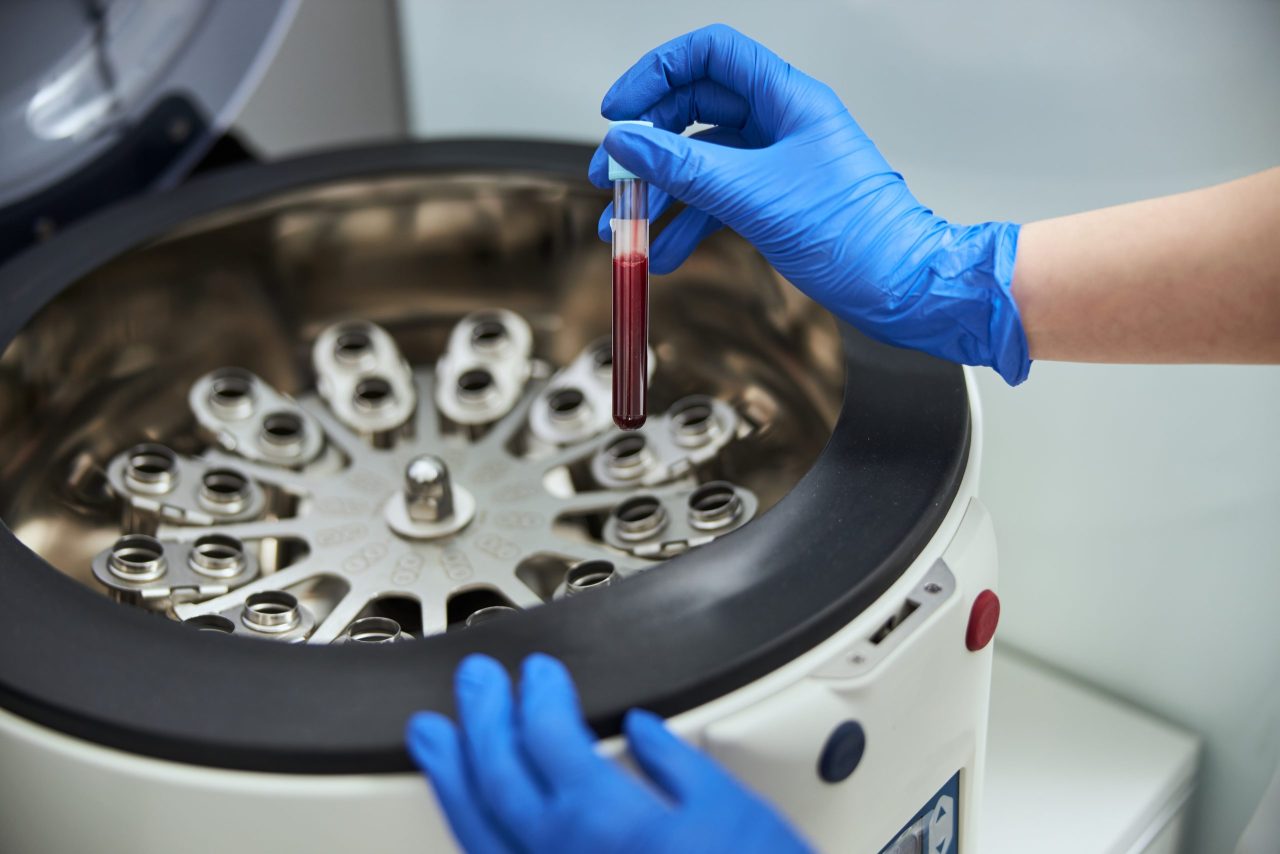
Centrifugation is one of the most important and widely applied research techniques in biochemistry, cell and molecular biology, and medicine. Today’s research and clinical applications depend on the isolation of cells, subcellular organelles, and macromolecules, generally high throughput. A centrifuge uses centrifugal force (g-force) to isolate suspended particles from the surrounding medium either in batches or as a continuous flow.
What is a microplate reader?
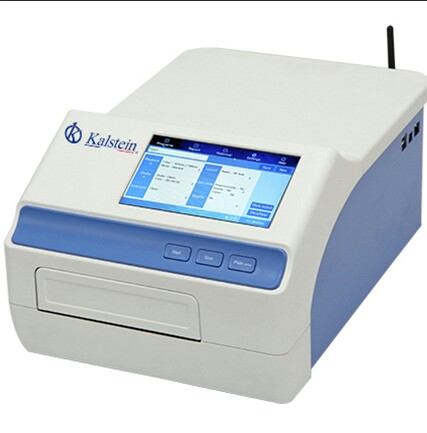
A microplate reader is a specialized spectrophotometer designed to read the results of a technique used to determine the presence of specific antibodies or antigens in a sample. The technique is based on the detection of an immobilized antigen on a solid phase, by means of antibodies that, directly or indirectly, produce a reaction whose product can be read by the spectrophotometer.
How does a natural convection ovens work?
A natural convection laboratory oven is one that extracts the air from the environment in which the stove is located. So it transmits heat in a uniform way throughout the equipment creating a natural air circulation.
What is electrophoresis?
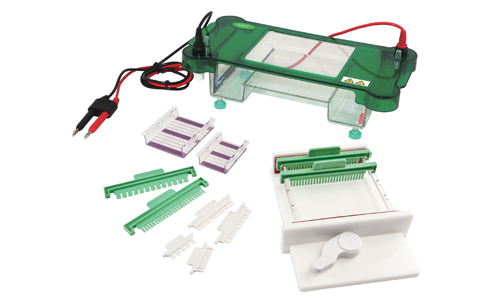
Electrophoresis is an analytical method in which a controlled electric current is used in order to separate biomolecules according to their size to electric charge ratio, using a gelatinous matrix as a base. This technique has a variety of practical uses, such as forensic medicine for human identification, the human genome project, protein and genetic mutation research, and clinical diagnostic testing.
What are the uses of a spectrophotometer?
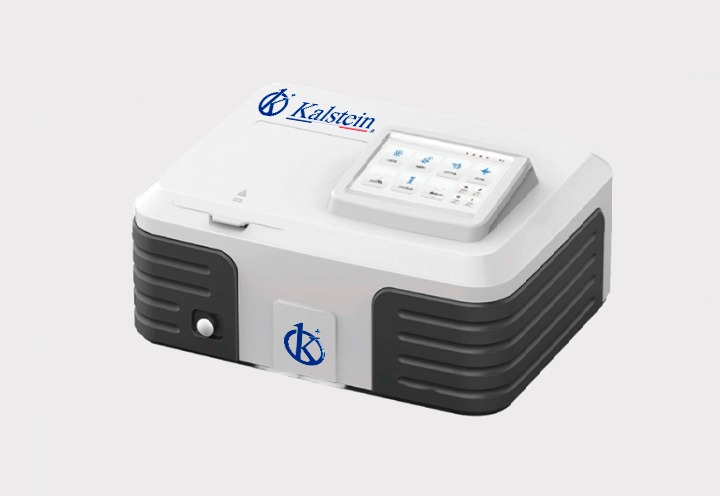
Spectrophotometry quantifies the concentration of a specific substance that is present in a sample by comparing the amount of light that enters a sample compared to the amount of light that leaves the sample at a specific wavelength. It can be used theoretically to measure any substance that absorbs light.
Safety levels in a biological safety cabinet
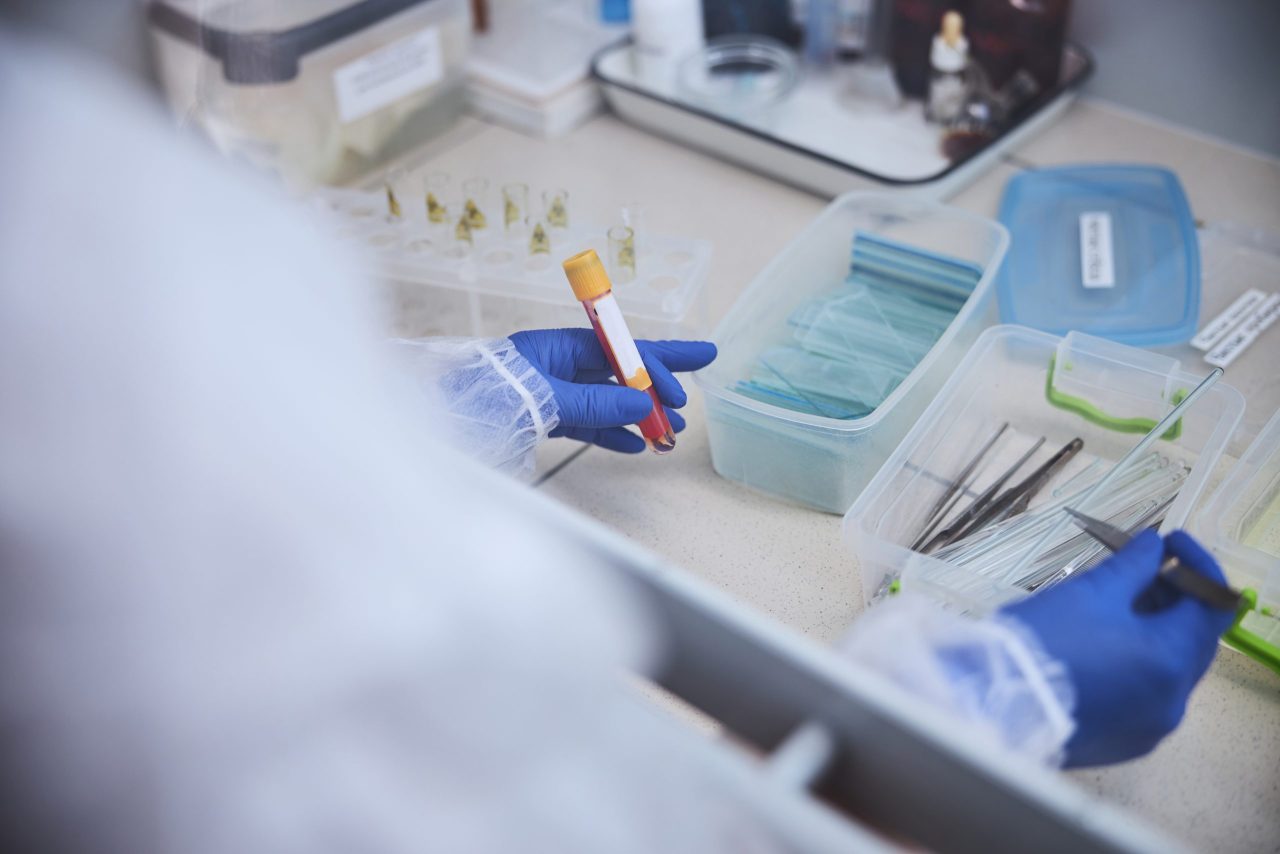
The biological safety cabinet represents a primary containment barrier that allows safe work with biological agents. It is a device designed to prevent the escape of bioaerosols from the work area and, therefore, protects people and the environment from possible exposure to biological agents. There are three types, known as: class I, class II and class III. Laminar flow booths designed exclusively to protect the product are not considered CSB. Next we are going to mention the main characteristics of working with cabins at each of these security levels:
Horizontal and vertical electrophoresis: Differences
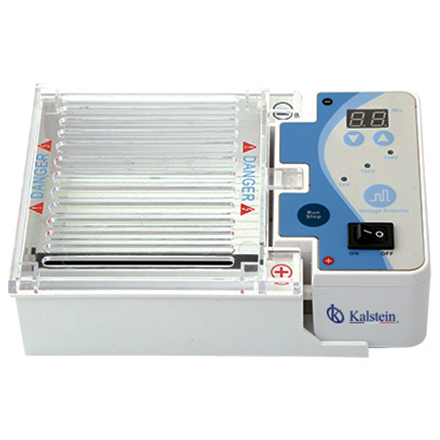
Gel electrophoresis is a laboratory technique used in genetics to separate mixtures containing DNA, RNA, and other proteins according to their respective molecular size and charge. The DNA, RNA, or proteins that must be separated in this method are run through a gel that contains small pores. The molecules are driven through the gel by an electric field.
Microscope: Halogen vs. LED
High-powered microscopes are often unable to provide excellent quality images due to improper use of light sources, which generally leads to inadequate illumination of the object. You must take into account that any correctly illuminated sample must be free of glare and the light must be scattered evenly in the visual field.
What is the function of the refrigerated centrifuges?

Refrigerated laboratory centrifuges are equipment used to achieve the sedimentation of the components in a homogeneous solution in their different densities at a predetermined temperature. For this, they have a special design that subjects the solutions to centrifugal rotation and acceleration at a high speed for a certain time, movements with which the solution is separated into two fractions, all this process occurring at an appropriate temperature, since said centrifuges They have a temperature control at which the sedimentation process takes place.