
Acute pancreatitis is increasingly recognized in children. With an incidence of up to 13 per 100,000 per year and an average hospitalization time of 5-8.5 days, the economic burden associated with this diagnosis is significant. On average, the average estimated cost per hospitalization for an episode of pediatric acute pancreatitis is $ 22,663, with costs reaching $ 43,000 for those admitted to the intensive care unit.
The average total cost of income for pediatric acute pancreatitis is approximately $ 200 million per year. Despite the growing recognition of this disease and the cost of care, there is still little data on optimal diagnostic approaches for pediatric acute pancreatitis.
What are your causes?
To date, data and clinical practice are largely extrapolated from studies in adults. This is problematic for many reasons, including the different etiologies and risk factors for acute pancreatitis among adults and children, with gallstones and alcohol being the predominant causes in adults, and the biliary, metabolic, systemic, hereditary and abnormal causes. Anatomical predominant in children.
What is the pathophysiology of this disease?
Pancreatitis is a process of self-digestion caused by the early activation of proenzymes that activate digestive enzymes within the pancreas. The precise mechanism that initiates the sequence of enzymatic reactions is unknown. There is evidence that acute pancreatitis begins in acinar cells, with an important role of Ca ++ whose gradient across the plasma membrane would trigger the release of enzymes from the apical pole. In addition, it is known that trypsin and other protease inhibitors exist that would also prevent the onset of enzymatic reactions and it is also known that bicarbonate secreted by ductal cells play a role as protease inhibitors.
Endotoxins that come from the intestine and mediators of inflammation can act on inflammation of the pancreas. The production of proinflammatory cytokines such as TNF-alpha, interleukins (IL1, IL6 and IL8) would modulate local damage and systemic inflammatory response, as well as distant organ failure
How is it diagnosed?
The diagnosis of acute pancreatitis is based on the presence of 2 or more of the following criteria with the tests acquired according to the criteria of the treating professional:
- Pain consistent with a pancreatic origin or substitute markers of vomiting, irritability and food intolerance, which may be the most common signs / symptoms of acute pancreatitis in infants and young children4.
- Serum amylase or lipase level ≥3 times the upper limit of normal.
- Image (ECO, CT or MRI) with findings of acute pancreatitis, including pancreatic edema, pancreatic hypodensity, peripancreatic edema or fluid accumulation and frank pancreatic or peripancreatic necrosis.
What are the risk factors for acute pancreatitis?
The most common identified risk factor for acute pancreatitis is medication (22%) followed by gallstones (19%). But usually no specific risk factor for acute pancreatitis (i.e. idiopathic pancreatitis) is identified in 30% of patients. Few patients (7.1%) have more than 1 identified risk factor for acute pancreatitis.
Many research shows that serum lipase is a more sensitive biomarker for acute pancreatitis in children than serum amylase, a finding that is consistent with the broader literature.
With respect to serum amylase, elevations of serum lipase depend less on time during the acute pancreatitis disease process due to its delayed peak and longer duration of elevation, while serum amylase reaches its peak and becomes more normalized. quickly. In addition, serum amylase may be elevated by non-pancreatic pathology more frequently than lipase.
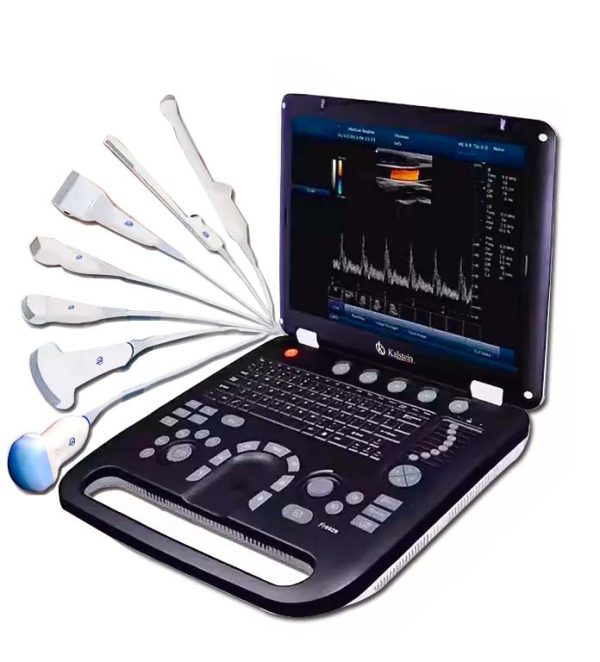
In Kalstein we offer you a sophisticated ultrasound equipment very useful in the investigation of pathologies at the level of the abdominal region such as acute pancreatitis, so we invite you to take a look at HERE