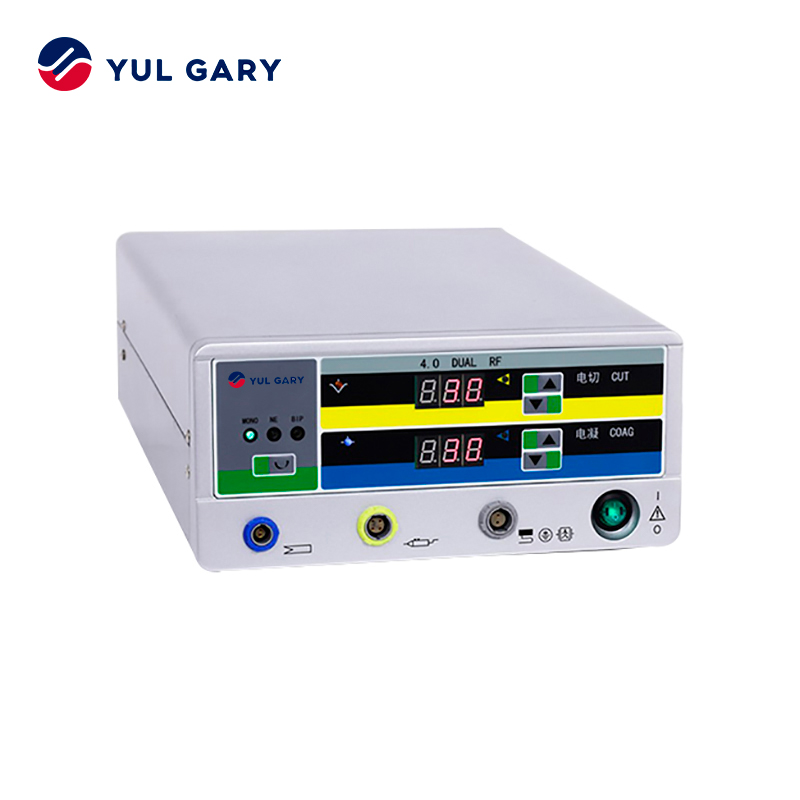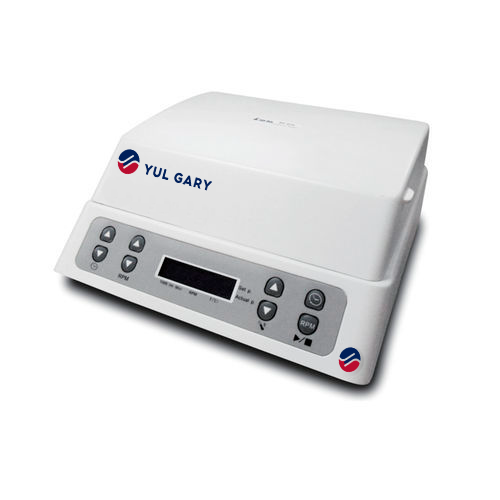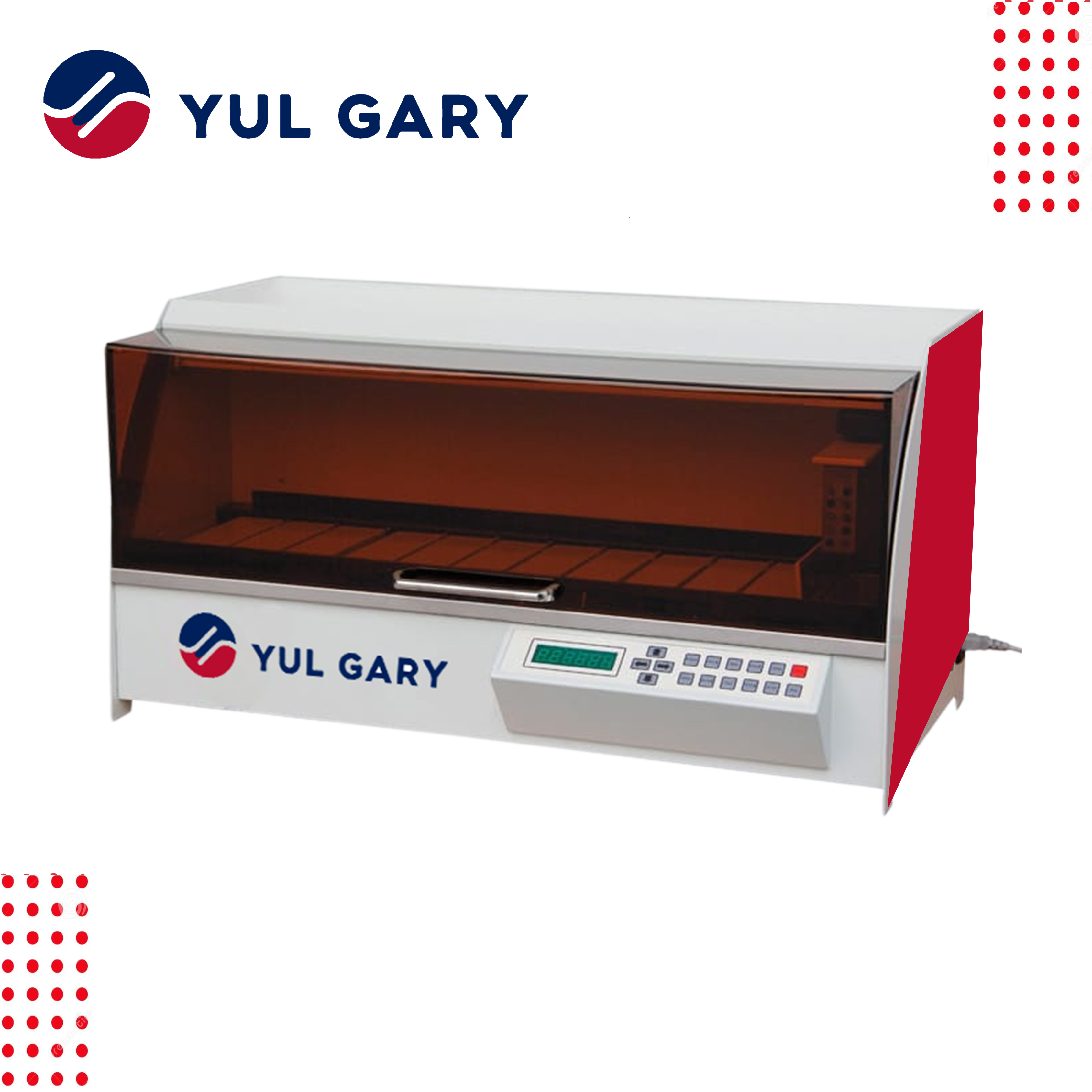
Tissue Processing by Yulgary: A Benchmark in Quality
In the field of pathological anatomy, the meticulous preparation of tissue samples is crucial to obtaining accurate and reliable results. At the forefront of this technology, Yulgary presents a series of tissue processing solutions that have set a new standard in the industry. Known for their precision and efficiency, these tissue processors are not merely machines; they are integral tools that enhance laboratory workflows.
Yulgary has harnessed years of innovation and expertise to craft equipment that addresses the nuanced needs of modern pathology labs. Their tissue processing lines promise not only accuracy but also remarkable speed, ensuring that every sample processed is ready for analysis in minimal time. This blend of reliability and performance has led to widespread acclaim and adoption in laboratories worldwide.
Characteristics of Tissue Processing
Yulgary’s tissue processors are distinguished by several key features that make them stand out in the market. Perhaps the most notable is their robust construction combined with precision engineering, which ensures consistent performance even in high-throughput environments. The machines are adeptly designed to manage varying types and sizes of tissue samples efficiently.
In addition to their solid build, these processors boast advanced programming capabilities. With intuitive interfaces, users can easily navigate and customize processing protocols according to their specific requirements. This flexibility is crucial for laboratories that handle diverse types of samples needing specialized attention.
Different Types or Models of Tissue Processing
Yulgary offers a diverse lineup of tissue processors, each designed to meet the demands of different laboratory settings. Their entry-level models cater to smaller labs that require reliable and straightforward processing activities, while more advanced options are available for high-volume centers needing intricate functions.
Each model is equipped with unique features tailored to its intended use. For instance, some models emphasize rapid processing times to handle high workload demands. Others offer multifunctional capabilities, including drying and deparaffinization, further enhancing their utility in complex laboratory workflows.
Why Does Tissue Processing Have This Price?
Given the sophisticated technology and precision involved, Yulgary’s tissue processors come with a price tag that reflects their quality and the value they provide. Investment in such equipment translates directly to improved lab productivity and accuracy in diagnostic results.
The cost of these machines also covers the latest advancements in tissue processing technology, which ensure that users have access to state-of-the-art features that minimize errors and optimize sample turnaround time. This strategic investment is crucial for labs aiming to maintain competitive advantages and uphold high standards in sample processing.
Comparing Tissue Processing with Similar Products
When evaluating Yulgary tissue processors against industry competitors such as Sakura and Leica Biosystems, several distinctions arise. While all brands offer reliable solutions, Yulgary stands out due to their superior customization capabilities and ease of use.
Sakura’s models are renowned for their high-speed processing, but some may find them less intuitive for complex protocol customization compared to Yulgary’s offerings. Meanwhile, Leica Biosystems focuses on automated systems that are effective but might lack the tailored programming that Yulgary excels in providing, making it a preferred choice for labs seeking flexible and adaptable technology.
Pros and Cons of Tissue Processing
| Pros | Cons |
|---|---|
| Efficient processing times | Higher initial cost |
| Highly customizable protocols | Requires training for optimal use |
| Robust and durable construction | Potentially high maintenance costs |
| Advanced technology integration | May be over-engineered for small labs |
| Reliable and consistent results | Space requirements in smaller labs |
| Intuitive user interfaces | Limited budget options |
| Wide range of model options | |
| Global customer support network |
Benefits of Using These Tissue Processing Units
The benefits of adopting Yulgary’s tissue processors extend beyond mere functionality. These machines are designed to streamline laboratory processes, reducing the time between sample collection and result analysis. This ability to process samples quickly without sacrificing accuracy is invaluable, particularly in high-stakes medical environments.
Moreover, the enhanced capabilities of these processors contribute to fewer errors, which is critical for patient outcome reliability. The resultant operational ease allows laboratory technicians to focus on other vital tasks, maximizing productivity across the board.
Other Advantages of Tissue Processing
Another key advantage of Yulgary’s processors is their longevity and low operational costs over time. Designed with precision engineering, their minimal maintenance needs and robust construction ensure a long service life, which ultimately reduces the total cost of ownership.
Additionally, Yulgary’s commitment to customer service means labs benefit from a support network that offers maintenance, troubleshooting, and updates, ensuring that the machines continue to perform at peak efficiency throughout their lifecycle.
User References Regarding Tissue Processing
Navigating through various user testimonials, it’s clear that many laboratories have benefited from the capabilities of Yulgary’s tissue processors. Users often highlight the seamless integration into existing workflows and the noticeable increase in the accuracy of their results.
One laboratory manager praised the unit for its flexibility in protocol settings, allowing their team to easily adapt the machine to different types of tissue samples with varying processing needs. Such endorsements underscore the reliable performance and user satisfaction that Yulgary’s machines consistently deliver.
Frequently Asked Questions
What is the typical lifespan of a Yulgary tissue processor?
With appropriate maintenance, these machines can last upwards of 10 years, offering a robust return on investment.
Can the processing units be personalized to specific laboratory protocols?
Yes, these units offer highly customizable programming options, allowing labs to set precise protocols tailored to their specific requirements.
What level of training is necessary for operators of tissue processors?
Basic training sessions are usually sufficient, thanks to their intuitive interfaces. However, comprehensive training is recommended for maximizing their potential.
Are Yulgary machines compatible with all tissue sample types?
They are designed to handle a wide variety of tissue samples, making them exceptionally versatile for diverse laboratory applications.
How does Yulgary support its customers post-purchase?
The company provides extensive customer support, maintenance services, and regular updates to ensure continued operational success.
Do these tissue processors require special conditions or infrastructure?
Standard laboratory conditions are usually sufficient, although space considerations and proper ventilation can enhance performance and lifespan.
Final Recommendations on Tissue Processing
In conclusion, Yulgary’s tissue processing units are an excellent investment for laboratories seeking accuracy and efficiency. The blend of cutting-edge technology, ease of use, and long-term reliability ensures they remain a top choice in the medical research field. By integrating these machines, labs not only streamline their processes but also enhance the quality of diagnostic outputs.
For further details on how to secure these remarkable units and take your lab’s capabilities to the next level, I recommend visiting https://yulgary.no/category-product/laboratory-line/pathological-anatomy/tissue-processing/.