What are the types of homogenizers?
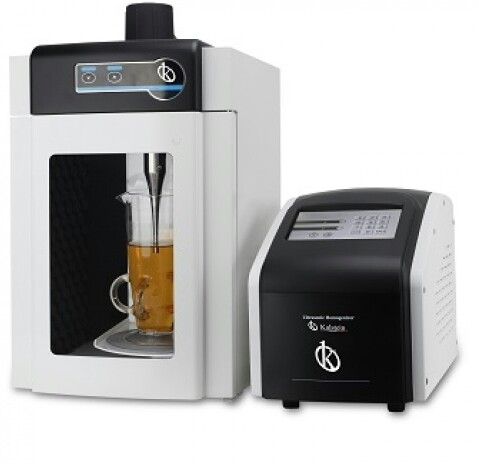
There are many models of laboratory homogenizers on the market. Below we will show you different models, tips and information so that your homogenizer is the most suitable for your processes and you feel satisfied with your purchase.
What are the types of micropipettes for laboratories?
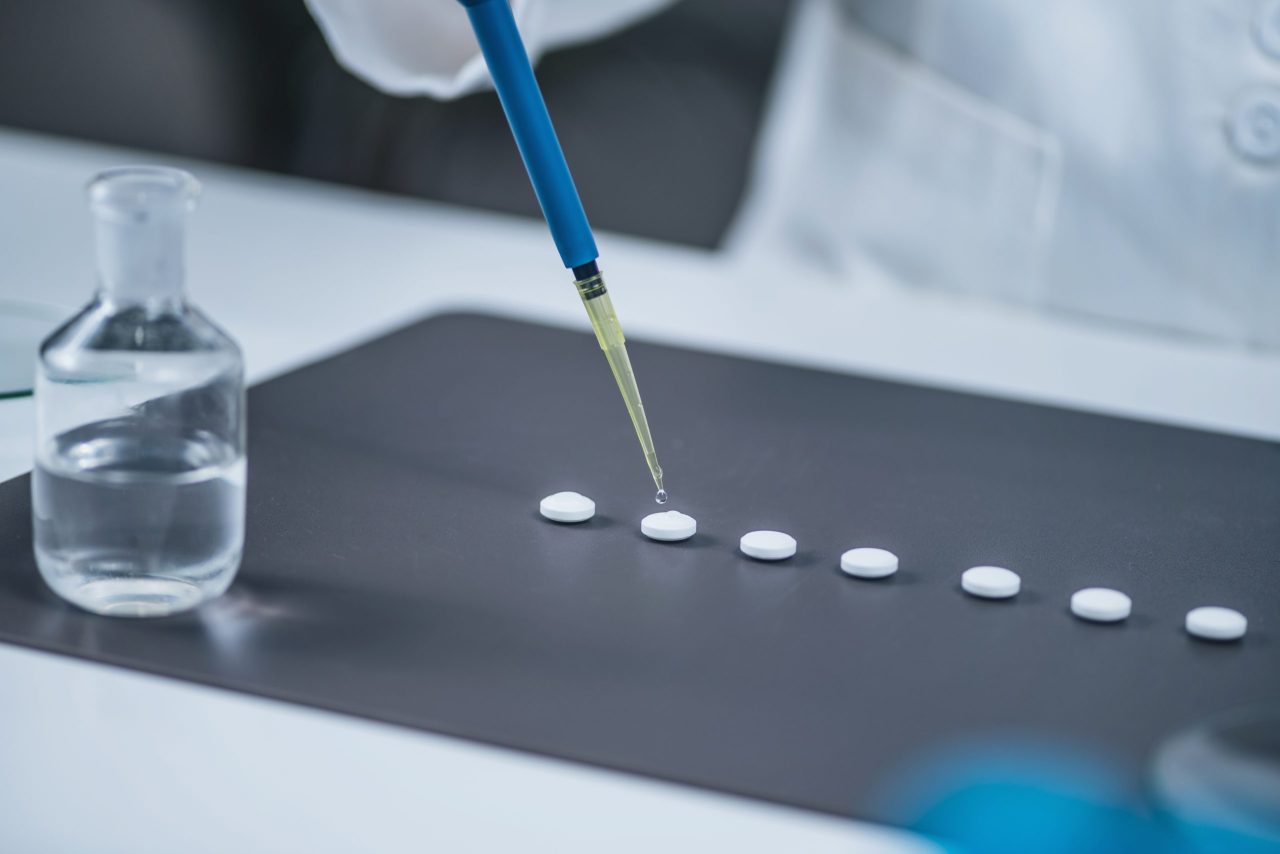
A micropipette is a laboratory device used to absorb and transfer small volumes of liquids, and allow their handling in different laboratory techniques. The place where it was manufactured and used for the first time was at The Carberg Laboratories in Denmark and its creation is attributed to the German Heinrich Schnitger.
How do you prepare a homogenate?
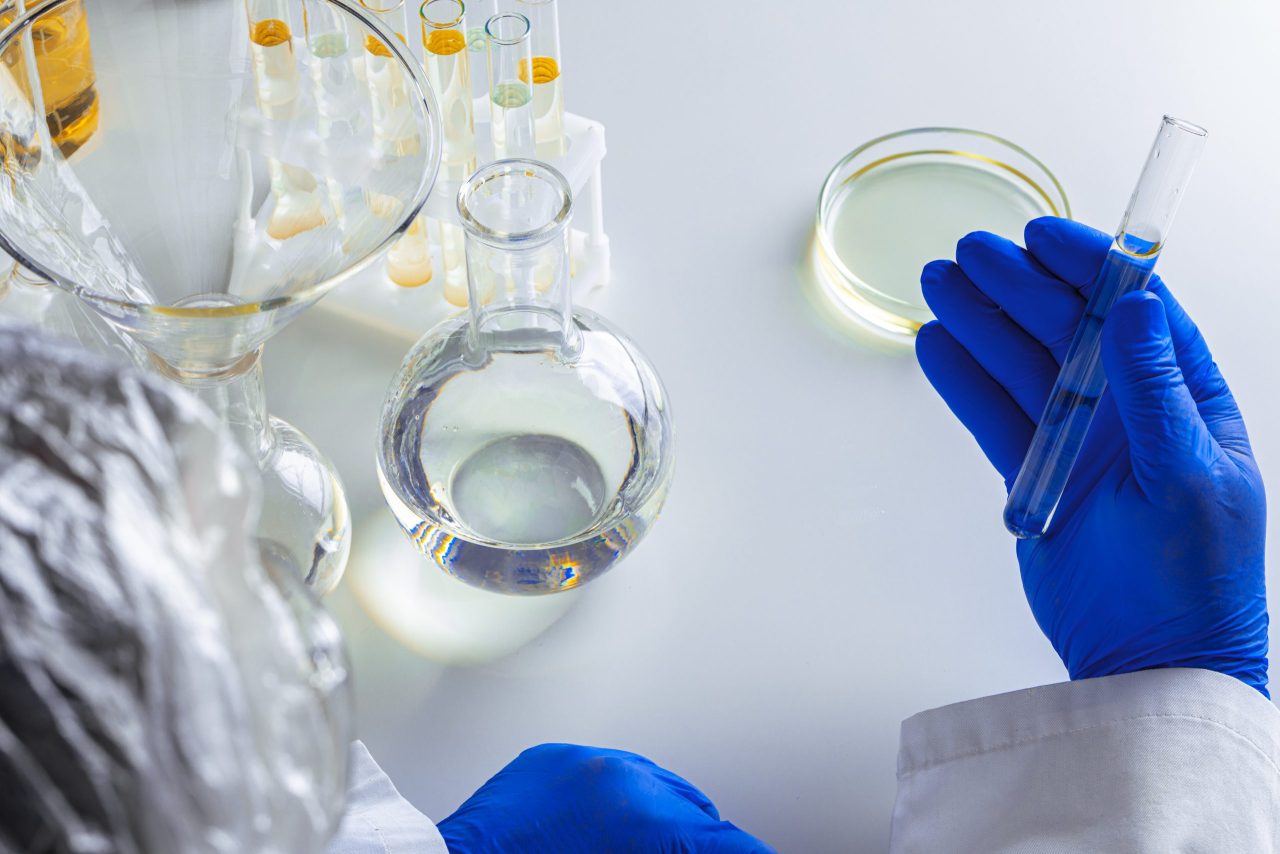
The crude mixture of destroyed cells is known as the homogenate. During the centrifugation of a cell homogenate, larger particles sediment faster than small ones, which makes it possible to obtain crude organelle fractions by means of differential centrifugation.
Thermal Cycler: Real Time PCR
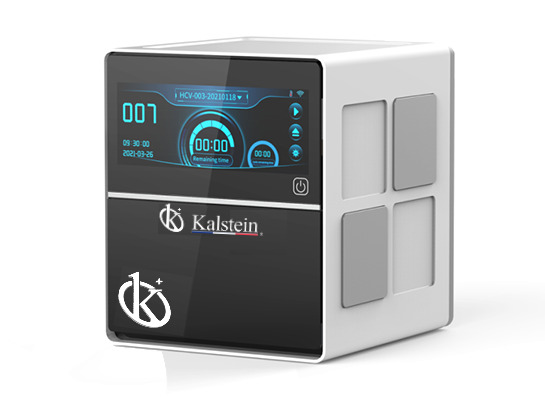
The thermal cycler is a device that allows the polymerase chain reaction (PCR) efficiently and quickly; by means of the automatic and cyclical realization of the temperature changes that are required for the amplification of a deoxyribonucleic acid (DNA) chain; from a thermostable enzyme.
Balance – precision and accuracy
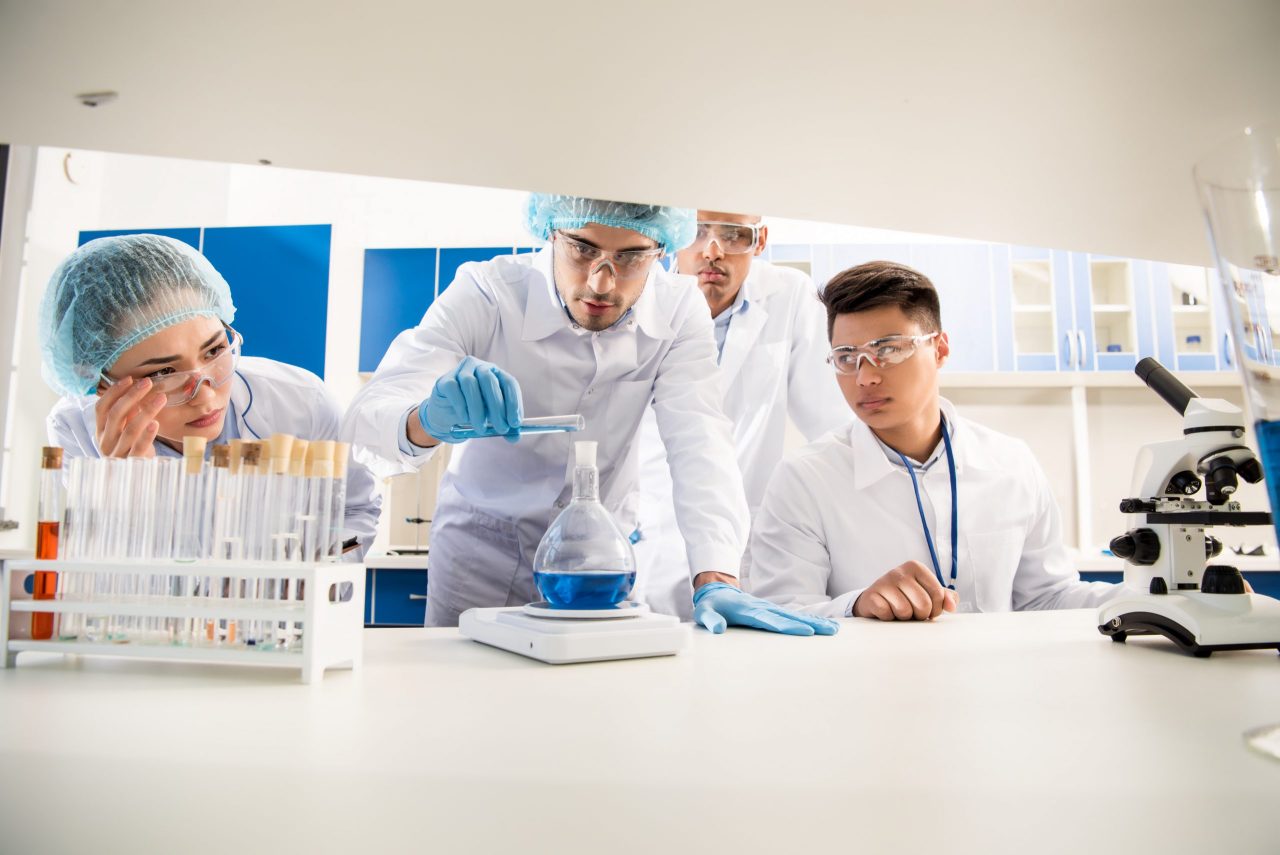
The balance is a piece of equipment that measures the mass of a specific body, providing accurate data about its weight. Among the many existing models, the analytical balance that has a high power of rigor stands out, since with it great precision can be obtained.
How does a laminar flow cabin work?
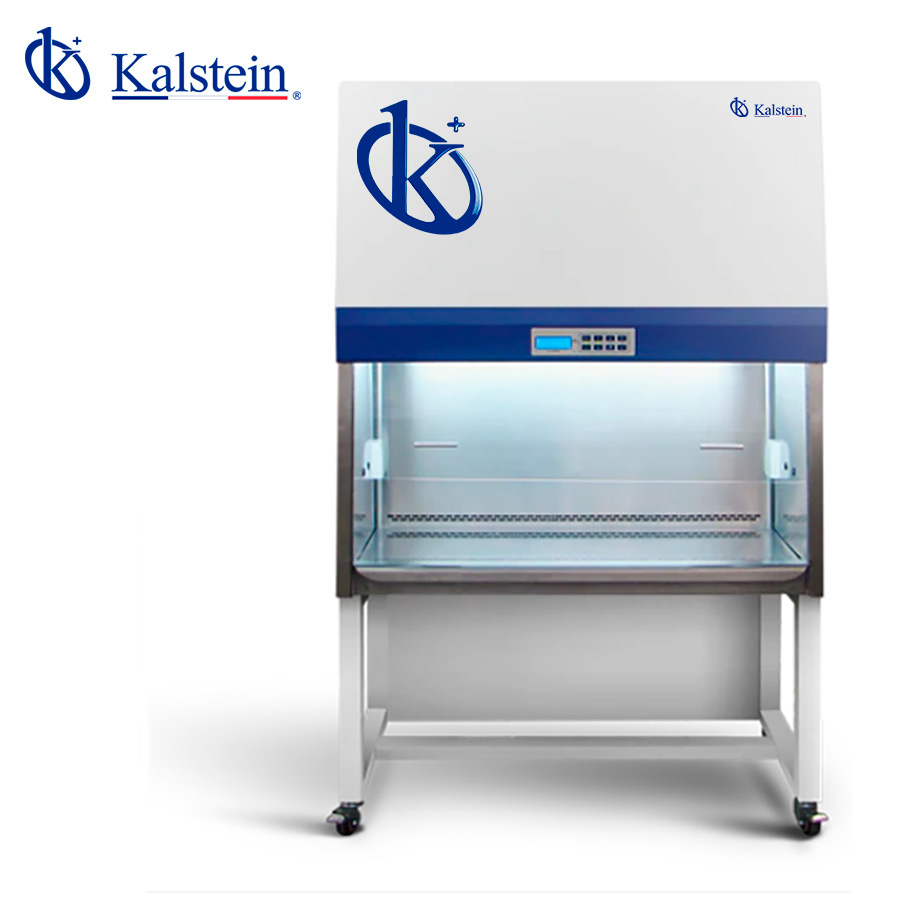
A laminar flow cabin is a laboratory equipment that provides an area delimited by easy-to-clean surfaces and disinfect with a filtered air flow through prefilters, which are responsible for retaining the largest particles that are present in the air, and by HEPA filters (High Efficiency Particulate AIR), which are high efficiency filters capable of retaining particles up to 0.3 μm with a minimum efficiency of 99.97% providing clean and constant air at a speed of 0.3 to 0, 5 meters per second .. That is, this type of equipment is employed in processes where the contamination control is needed.
How does a thermal cycler work?
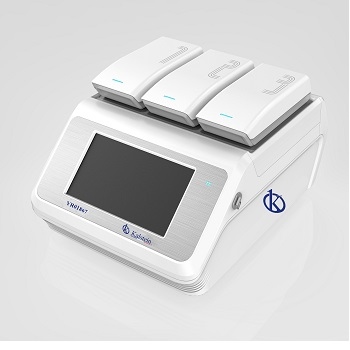
A thermal cycler is a Molecular Biology Laboratory Equipment, used in the amplification of DNA molecules by the PCR technique (polymerase chain reaction), because it is capable of performing temperature cycles necessary for amplifying The DNA strands.
Laboratory water systems: types of waters
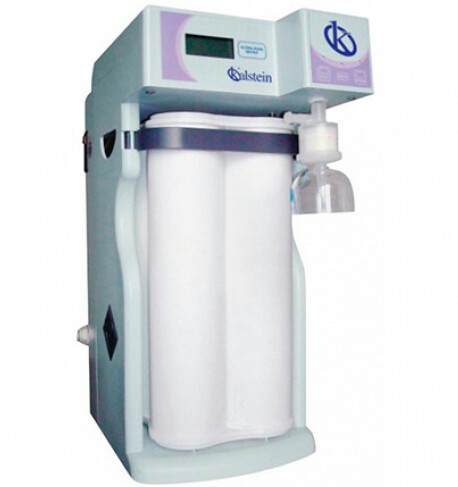
The quality of the water in the laboratory is one of the main concerns of those trying to carry out accurate and efficient experiments. The overall water purification process involves not only the final ultra-purification stage, but also a pre-treatment stage.
Electrophoresis Power Source
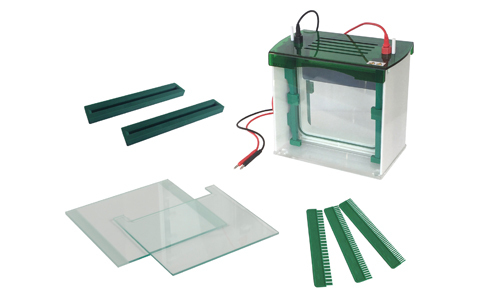
Electrophoresis is a basic method in the field of molecular biology for the analysis (separation, purification, preparation) of nucleic acids and proteins. The principle of electrophoresis consists in the migration of the molecules through a gel or another type of matrix of a porous nature, in which, by the action of an electric field, they will be separated according to their size or molecular weight, this is achieved thanks to the action of a power source for electrophoresis.
Pharmaceutical Refrigerators – Correct Temperature Range
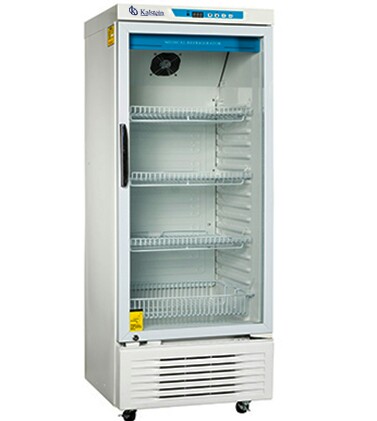
Refrigerators are refrigeration devices used in the medical and scientific sector that are mainly intended for the preservation and storage of reagents, biological samples or medicines. In this Kalstein article, we will see that these appliances have specific characteristics that differentiate them from the refrigerators, or refrigerators, that we have in our homes, and that the functionalities, options and temperature ranges vary depending on the brands and models.