Dopamine modulates the reward caused by music
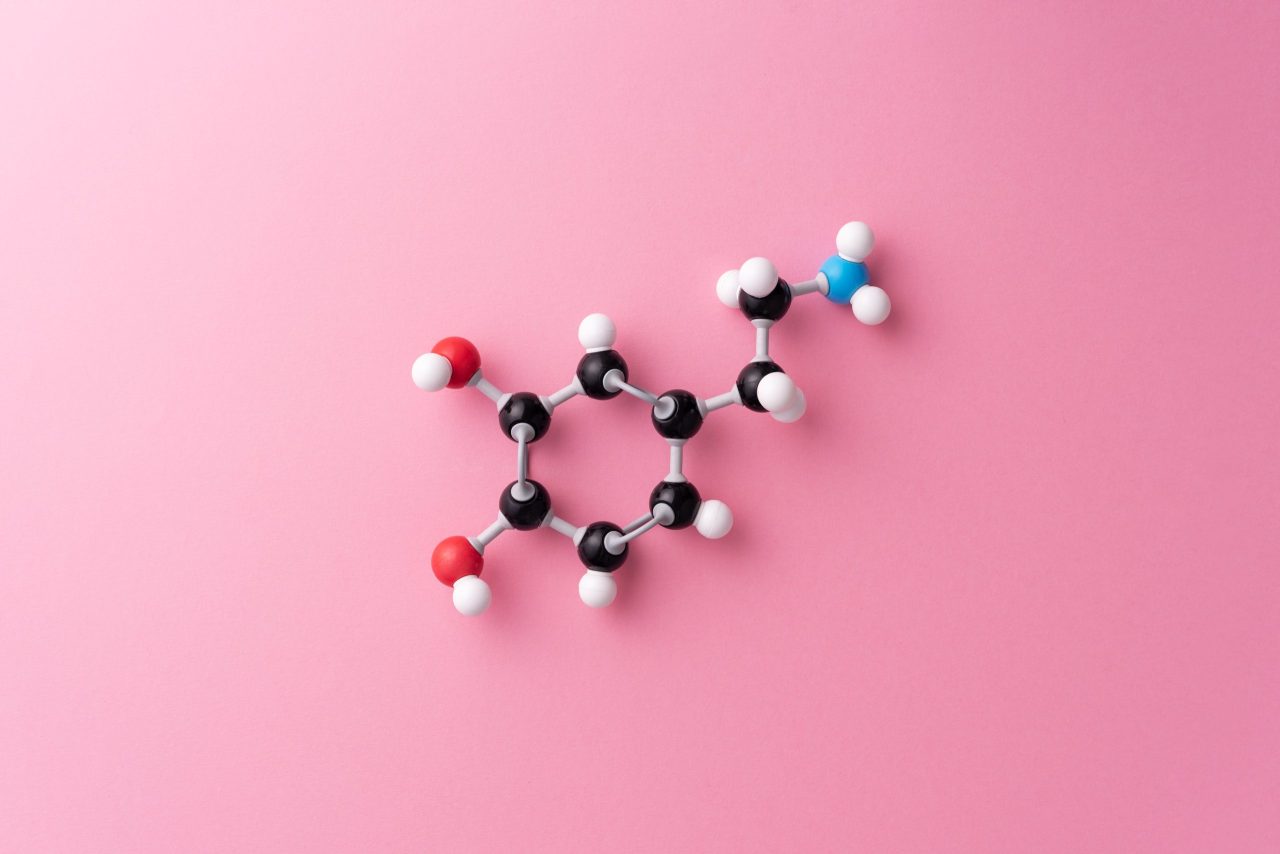
Dopamine is a chemical messenger (neurotransmitter) of the central nervous system (our brain).
Fundamentals of Laser Urology
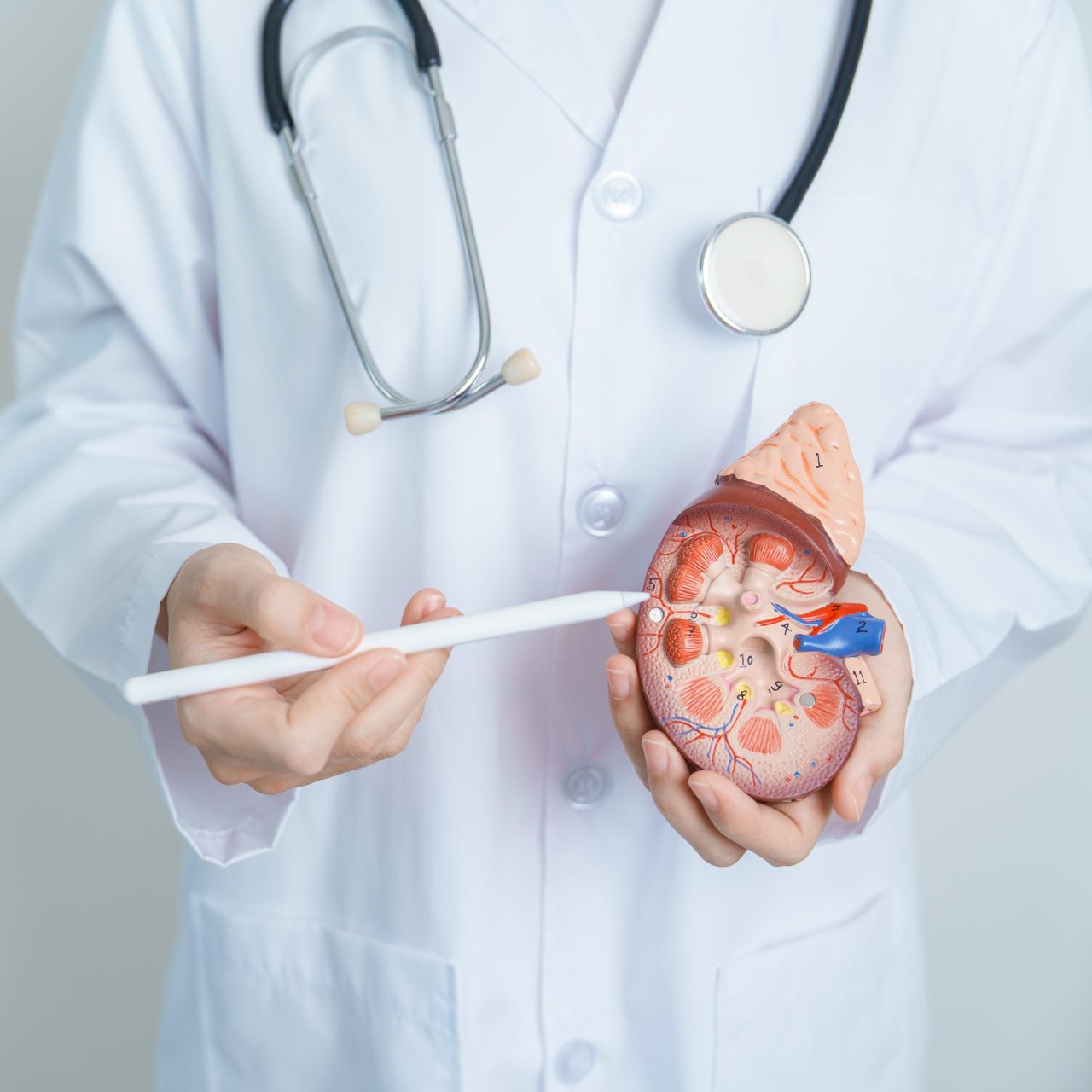
The laser, a light amplification device by stimulated radiation emission, is a device capable of transforming other energies into electromagnetic radiation by emitting light beams of different wavelengths.
The drying oven: from the simple to the complex
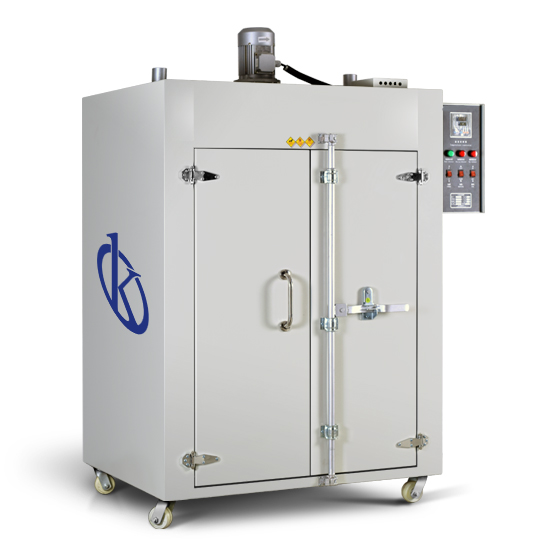
The drying oven is a device used to dry and sterilize glass and metal containers in the laboratory. It is also identified with the name Oven drying.
The autoclave: an essential element
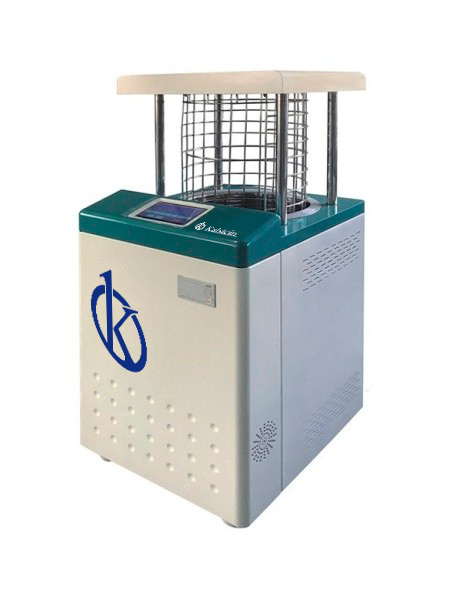
The autoclave is a device designed to sterilize contaminated material and media, in order to reliably eliminate microorganisms that would otherwise be present in objects that are used in diagnostic, treatment or research activities in hospitals and laboratories health institutions
How does a stethoscope work?
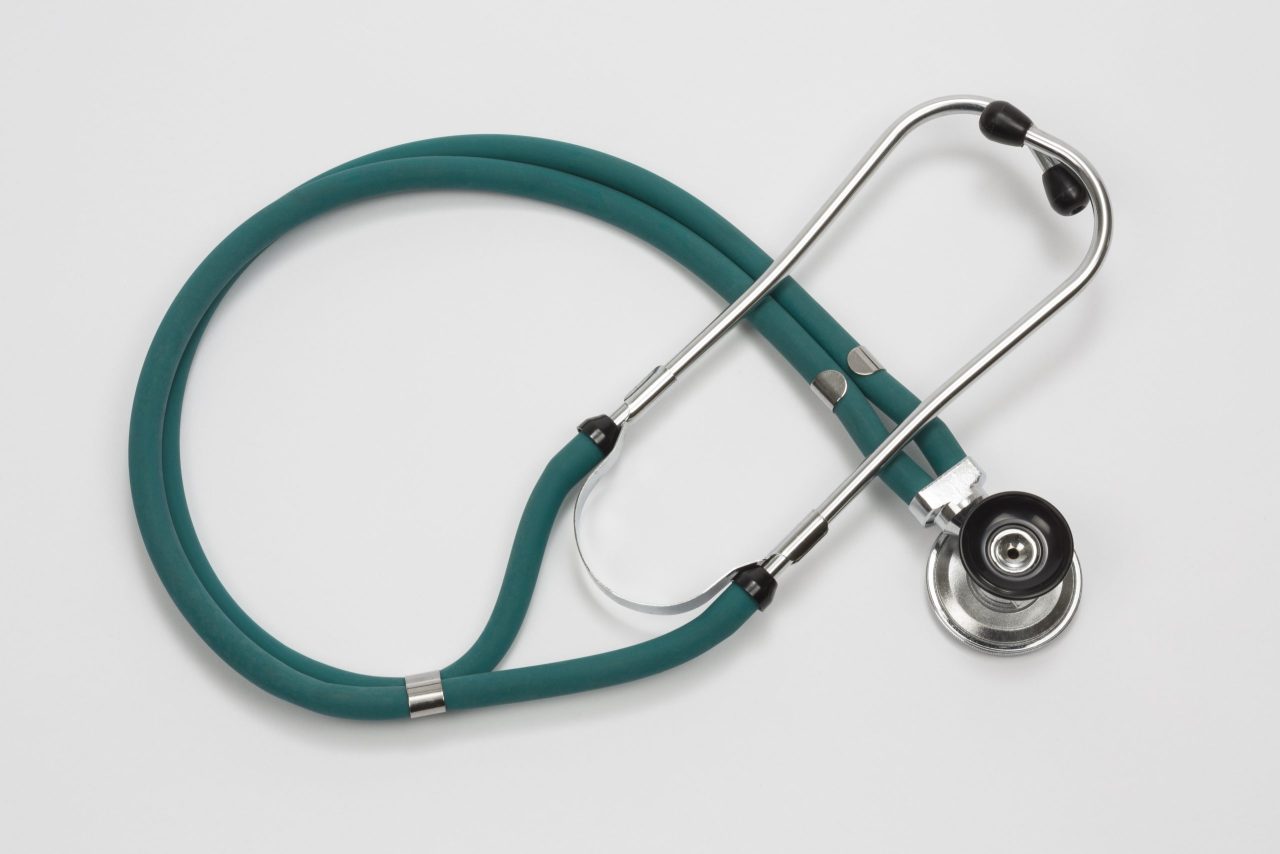
The stethoscope is an acoustic device that amplifies body noise to achieve its best perception and therefore the integration of various signs, which are mainly auscultated in the heart.
How to use your automatic pipette correctly?
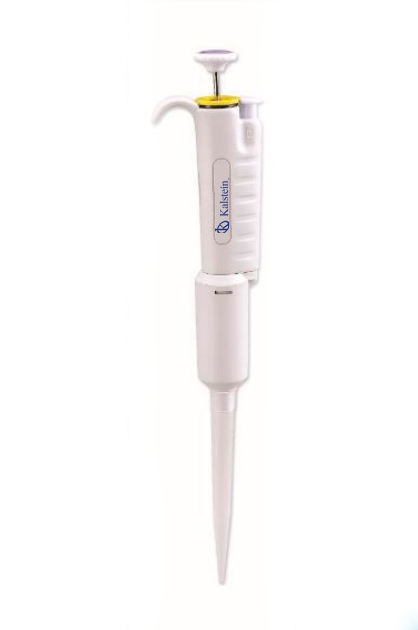
Pipettes are widely used equipment in clinical and research laboratories. They are used to supply very exact amounts of fluids.
What are Ehlers-Danlos Syndromes?

Ehlers-Danlos syndromes (EDS) are a group of inherited connective tissue disorders that affect many organic systems.
What should you consider when using a balance?
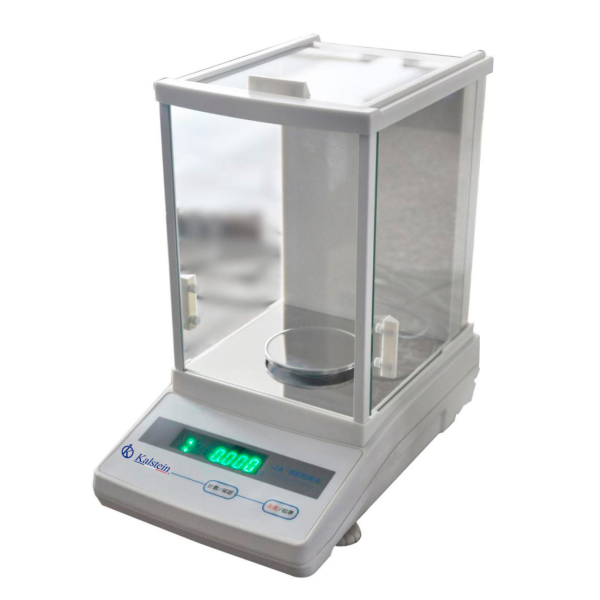
The balance is used to measure the mass of a body or substance or also their weight, since between mass and weight there is a well defined relationship.
Discover how a fluorometer works?
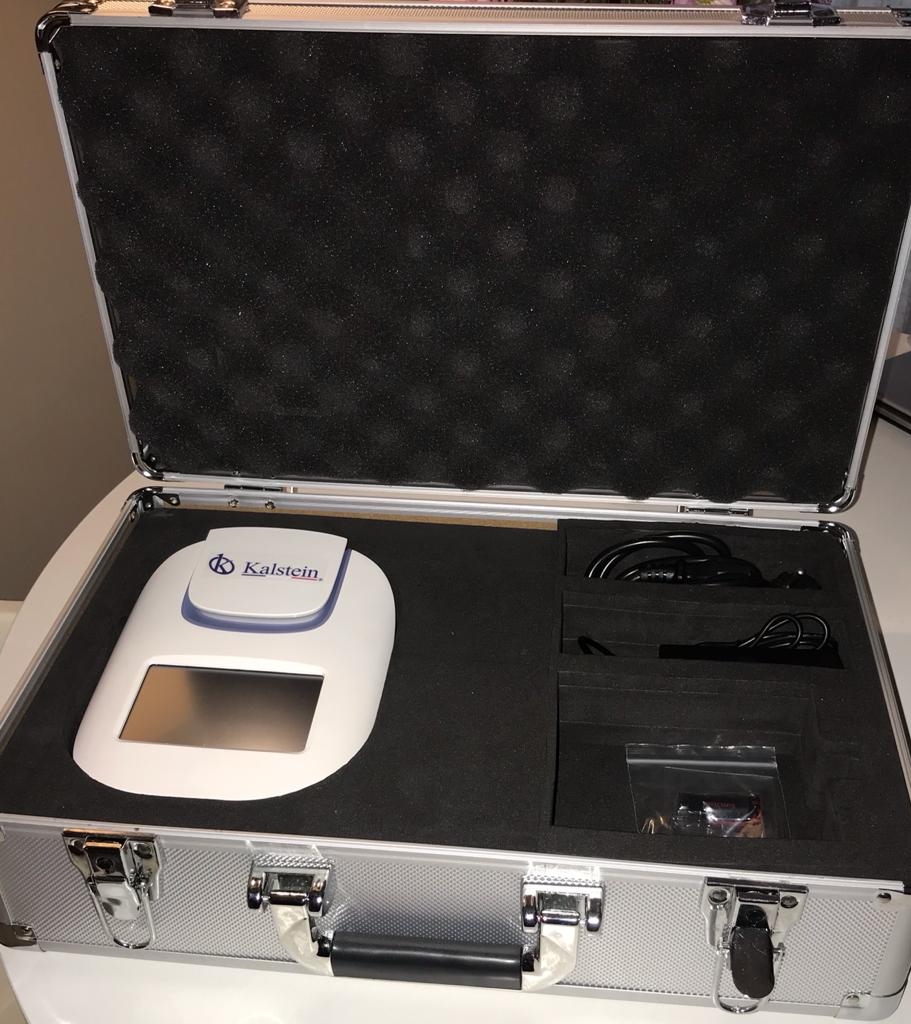
We can say that a Fluorometer is a special optical device commonly used in laboratory environments, which is capable of measuring the fluorescent quality of biological or mineral samples.
How does a phase contrast microscope work?
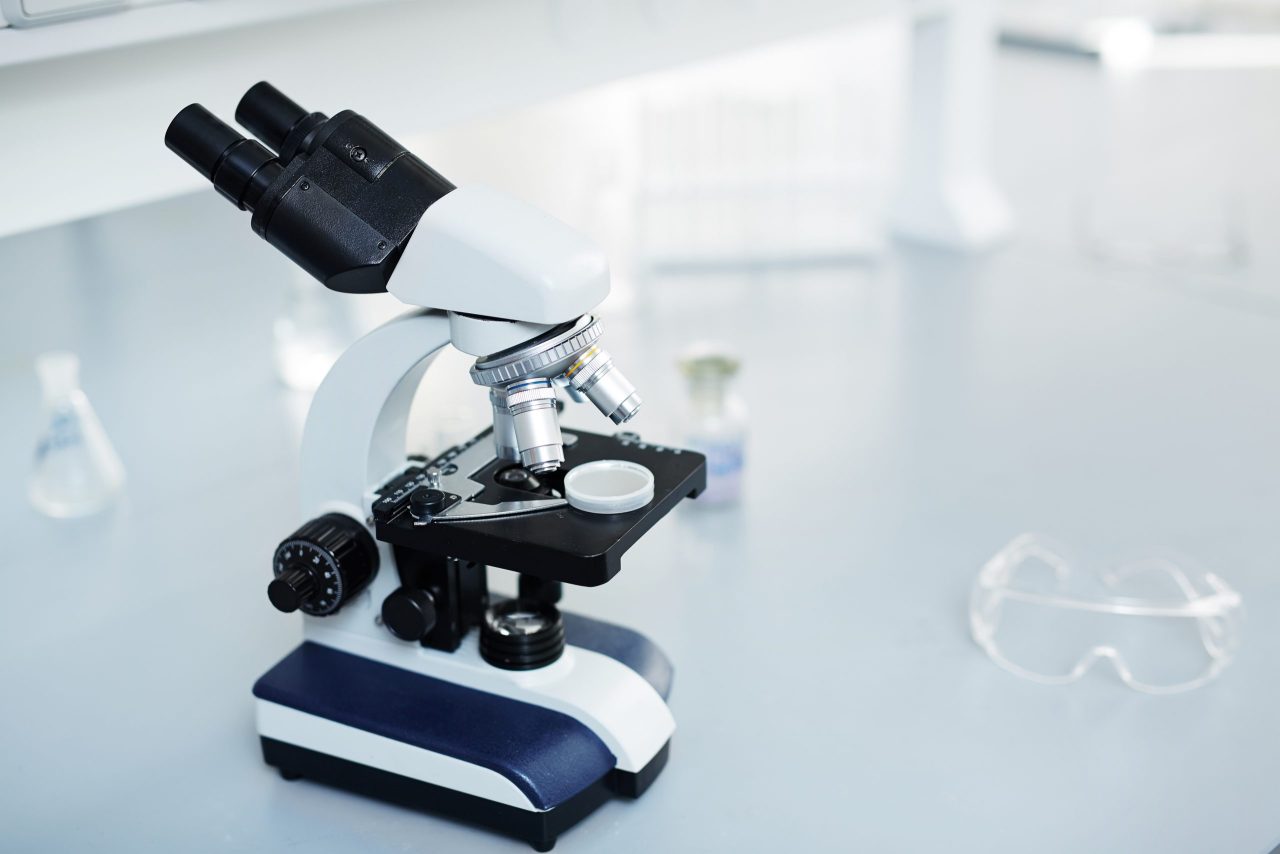
The phase contrast microscope is a type of microscope that allows you to observe live samples without using staining techniques. This microscope is based on the existence of a phase difference between the different light waves that pass through the sample to generate the image of the observation.