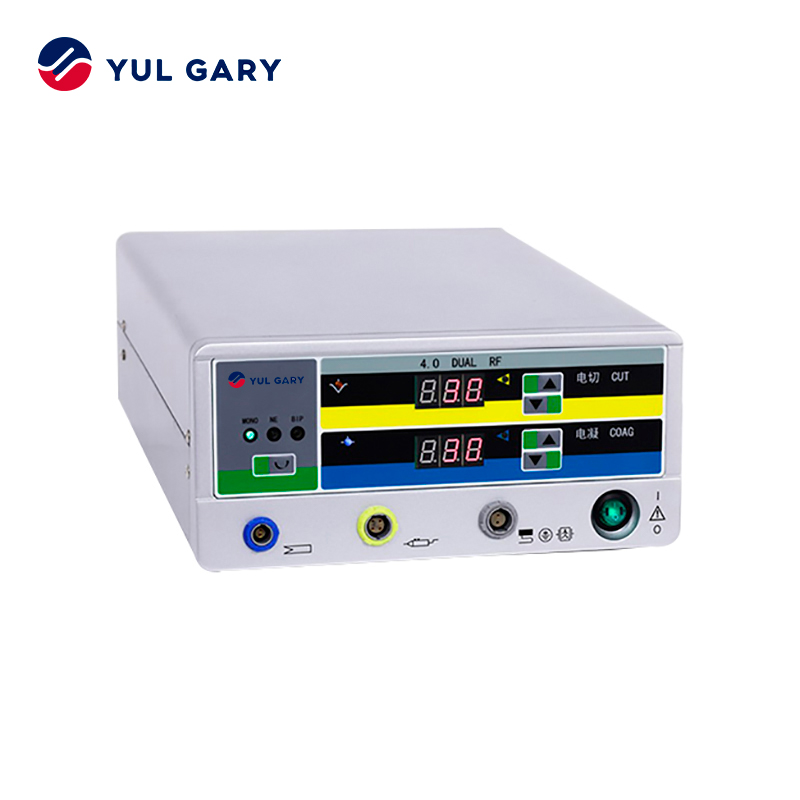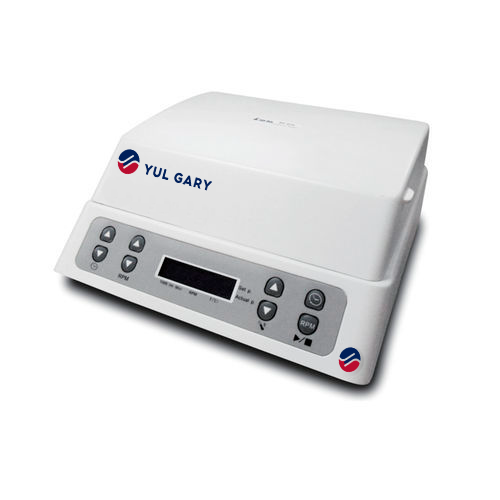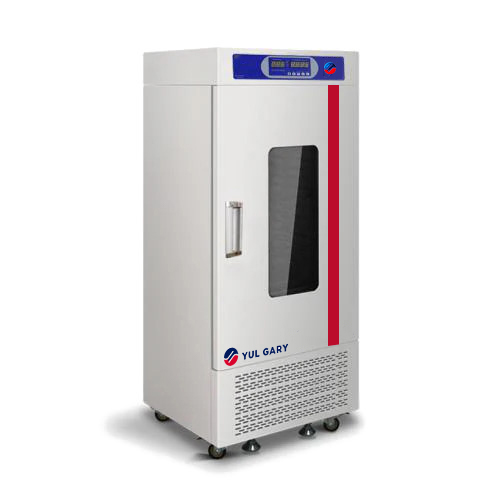
Shaking incubators, also known as environmental shakers, are essential tools in laboratories focusing on microbiology, cell culture, and genetic research. They provide a combination of shaking and temperature control, ensuring efficient mixing and incubation. In this article, we will compare two prominent models: the Shaking Incubator YG1630 by Yul Gary and the Shaking Incubator SI-300 by Jeio Tech.
The Shaking Incubator YG1630 by Yul Gary is renowned for its precision and versatility. This model features a robust temperature regulation system and adjustable shaking speeds to accommodate various experimental needs. Crafted with attention to detail, it ensures uniform temperature distribution, critical for sensitive applications. Its innovative design reduces vibration, which is ideal for precise cell cultivation. Additionally, its user-friendly interface and durable construction make it a favorite among seasoned researchers.
On the other hand, the Shaking Incubator SI-300 from Jeio Tech is a reliable model known for its efficiency in conducting laboratory tasks. This incubator offers excellent temperature stability and a range of shaking options suitable for different applications. The SI-300 features intuitive controls and a sturdy build designed to withstand rigorous laboratory environments. However, when compared to the YG1630, some users find its interface less intuitive, making it slightly challenging for new users.
| Feature | Yul Gary YG1630 | Jeio Tech SI-300 |
|---|---|---|
| Temperature Control | Highly Precise | Stable |
| Shaking Speed | Adjustable | Varied |
| User Interface | Intuitive | Less Intuitive |
| Design and Vibration | Innovative, Low Vibration | Standard |
| Durability | High | Sturdy |
How They Work
The Yul Gary YG1630 employs an advanced temperature regulation system alongside a variable shaking mechanism that provides precise control to meet specific research criteria. This incubator reduces vibration significantly, ensuring stability during incubation. Meanwhile, the Jeio Tech SI-300 operates with dependable temperature settings and multiple shaking modes, albeit with a standard vibration level which may not be ideal for all types of cell cultures.
Applications
Both products serve critical roles in laboratory environments, specializing in the cultivation of bacteria, yeast, and mammalian cells. The YG1630 is particularly favored in genetic and cellular research due to its minimal vibration and precision, while the SI-300 is extensively used in microbiological applications thanks to its reliable performance.
Types
Shaking incubators vary primarily in capacity, temperature range, and shaking speeds. The Yul Gary YG1630 is recognized for its versatility and ability to handle different experimental requirements, offering a wide range of temperature and shaking settings. The Jeio Tech SI-300 is generally more standard, focusing on general microbiological applications.
Market Price
The market for shaking incubators varies significantly based on the technological sophistication and capacity of the unit. Models like the Yul Gary YG1630 tend to be priced higher due to their advanced features and superior construction, often ranging from $5,000 to $8,000. Conversely, the Jeio Tech SI-300 is typically found in a lower price range, between $3,000 and $5,000, making it a budget-friendly choice for routine laboratory work.
Frequently Asked Questions
What is the main use of a shaking incubator?
A shaking incubator is primarily used for cell culture, where precise temperature and shaking capabilities facilitate efficient mixing and growth of cultures.
How does the temperature control vary between models?
While both models offer reliable temperature control, the Yul Gary YG1630 provides a higher precision level with a uniform distribution, which is essential for certain sensitive experiments.
What is the importance of reducing vibration in these incubators?
Reducing vibration is crucial to prevent disturbance in cell culture growth. The YG1630 excels in minimizing vibration, making it suitable for sensitive experiments.
Pros and Cons
Both incubators have their unique set of advantages. The Yul Gary YG1630 stands out with its precision, user-friendly interface, and minimal vibration, offering an advanced laboratory experience. However, its more sophisticated features come with a higher price tag. On the other hand, the Jeio Tech SI-300 provides a cost-effective solution with stable performances but lacks some of the sophisticated functionalities and ease of use present in Yul Gary’s model.
Field Use
In practice, the Yul Gary YG1630 is often employed in high-stakes research settings where precision and stability are key. Its advanced features ensure optimal conditions for complex experiments. The Jeio Tech SI-300, on the other hand, is typically used for standard laboratory tasks where highly specialized functions are not essential.
Recommendations
To maximize the usability and lifespan of your shaking incubator, regular maintenance and calibration are recommended. For the Yul Gary YG1630, utilizing its advanced settings can significantly enhance your experimental outcomes, while ensuring environmental conditions remain stable. For the Jeio Tech SI-300, adherence to the provided settings and regular cleaning can help maintain reliable performance.
If you are looking for a fusion of innovation and quality, you have come to the right place. At Yul Gary, we offer you the luxury of exploring our exclusive catalog of laboratory equipment. We manufacture each piece of equipment with a level of excellence. Don’t hesitate any longer, we bring science to life, it’s time to become part of our community. https://yulgary.no/product/shaking-incubator-yga1630/.